

Global Broker Regulation Inquiry App
About WikiFX
English
简体中文
繁體中文
English
Pусский
日本語
ภาษาไทย
Tiếng Việt
Bahasa Indonesia
Español
हिन्दी
Filippiiniläinen
Français
Deutsch
Português
Türkçe
한국어
العربية
اردو


Middle East Conflicts: Why Gold and Forex Markets Are Reacting

WikiFX
|


Abstract:Geopolitical tensions in the Middle East have once again begun influencing global financial markets.
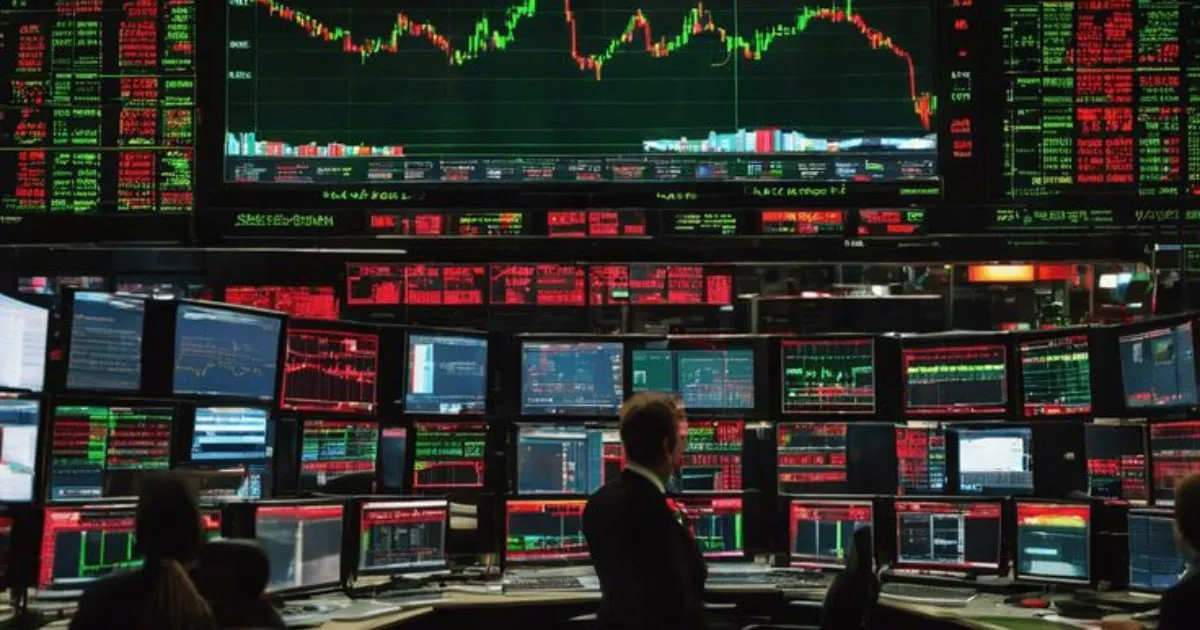
Historically, geopolitical conflicts tend to increase demand for safe-haven assets. Gold is one of the most well-known safe havens because investors view it as a stable store of value during uncertain times. When global stability is threatened, many investors move their capital into gold as a form of protection.
At the same time, currency markets also react strongly to geopolitical events.
Certain currencies are considered safer during times of global stress. The US Dollar, Swiss Franc, and Japanese Yen often strengthen during these periods because investors believe these economies are relatively stable.
On the other hand, currencies linked to emerging markets or regions directly affected by conflict may weaken. Investors tend to reduce exposure to riskier assets when uncertainty rises, which can create large movements in the Forex market. A lot of traders dont actually know what is a reserve currency, it is simply just a currency that investors or traders put their money in to keep it relatively safe.
Energy markets also play a role in this situation. The Middle East is one of the most important oil-producing regions in the world. If conflicts threaten oil supply, energy prices can rise significantly. Higher oil prices can then influence inflation, economic growth, and currency values across many countries.
Gold often benefits from this type of environment because it acts as a hedge against both economic instability and rising inflation. As energy prices increase and geopolitical uncertainty grows, investors naturally look for assets that can hold value during turbulent periods.
However, markets usually adapt over time. While geopolitical shocks can cause sudden price spikes, the long-term impact depends on how the situation evolves. If tensions stabilize, some of the safe-haven demand may slowly fade.
For now, traders will continue watching developments in the Middle East closely. Any escalation or de-escalation could quickly influence both gold prices and currency markets. In uncertain times like these, global events can move financial markets faster than many traders expect.
Disclaimer:
The views in this article only represent the author's personal views, and do not constitute investment advice on this platform. This platform does not guarantee the accuracy, completeness and timeliness of the information in the article, and will not be liable for any loss caused by the use of or reliance on the information in the article.
WikiFX Broker
Latest News
OROKU EDGE Review 2026: What Traders Should Know About Withdrawal & Slippage Reports
WikiFXRockGlobal Review for India: Which Licence Was Cancelled on 19 July 2024?
WikiFXNZDCHF: Bearish Now, But Is Smart Money Preparing the Reversal?
WikiFXDollar Holds Near Multi-Week High Ahead of Fed Rate Decision
WikiFXSEC Alleges $16 Million Ponzi Scheme Targeted 200 Investors
WikiFXFX Trading Share Falls Sharply Across Retail CFD Market
WikiFXMalaysia To Host Asia Fintech Regulatory Summit
WikiFXFxPro Opens Five CFDs To Weekend Trading
WikiFXValutrades Rejects Exit Rumors Amid Client Review
WikiFXIG Faces Hundreds Of Job Cuts In Global Restructure
WikiFX