


IG Review for India 2026: RBI Alert List, Regulation, Login, and Forex Risk
IG review for India in 2026: see the RBI Alert List entry, overseas regulation, login checks, forex limits, and a clear broker safety checklist.
Original

简体中文
繁體中文
English
Pусский
日本語
ภาษาไทย
Tiếng Việt
Bahasa Indonesia
Español
हिन्दी
Filippiiniläinen
Français
Deutsch
Português
Türkçe
한국어
العربية
اردو




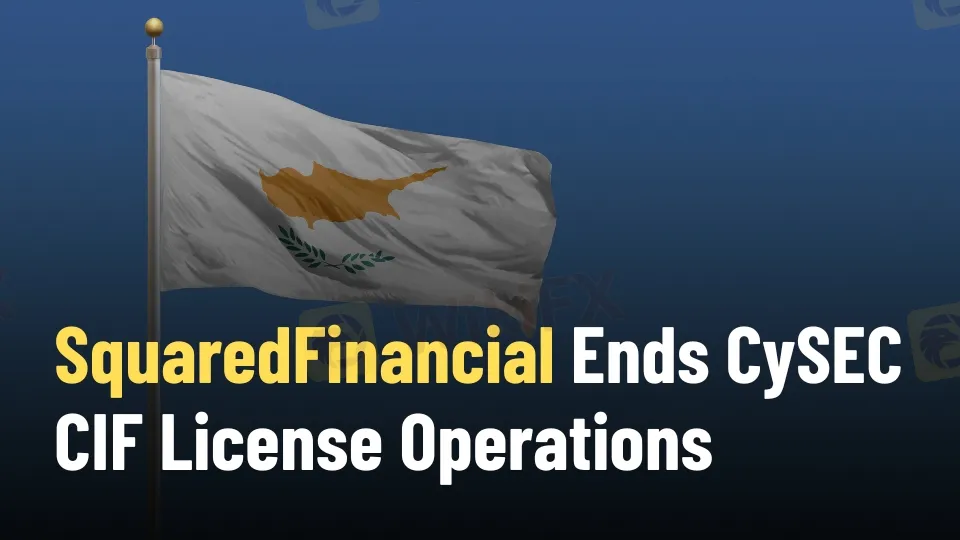
Abstract:Cyprus broker SquaredFinancial winds down CySEC CIF license, shifting FX broker and CFDs clients amid regulatory transition.
 Contents
Cyprus‑based FX broker SquaredFinancial has announced the termination of its CySEC CIF License, marking a significant regulatory transition for the firm. The move underscores shifting compliance strategies among Cyprus brokers as they balance local oversight with offshore operations.
The decision affects clients trading CFDs and other leveraged products under the CySEC framework. SquaredFinancial confirmed a structured client wind‑down process, ensuring transparency and regulatory alignment.
Key steps in the transition:
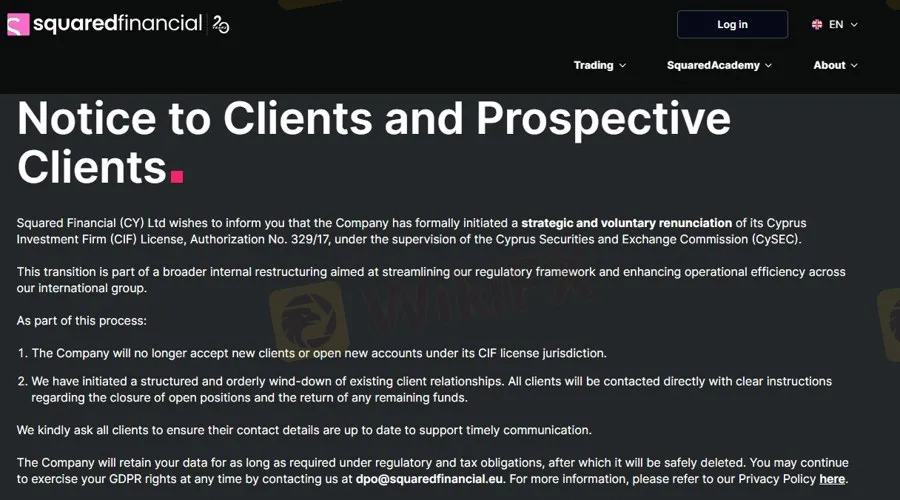
The withdrawal highlights growing challenges for Cyprus brokers operating under CySECs tightening rules. Enhanced oversight on leverage, marketing, and investor protection has prompted several firms to reconsider their licensing structures.
Industry analysts note that offshore operations often provide greater flexibility but raise questions about investor safeguards compared to EU‑regulated environments.
CySECs CIF License framework has long been a cornerstone for FX brokers in Cyprus, offering access to European markets under MiFID II. However, stricter compliance demands—ranging from capital adequacy to transparency in CFD trading—have accelerated exits.
SquaredFinancials transition reflects:
For retail and professional traders, the shift requires careful consideration of broker choice. While offshore entities may continue offering CFDs, clients lose the protections afforded by CySECs EU regulatory umbrella.
Investors are advised to:
SquaredFinancials exit from its CySEC CIF License signals a broader industry trend of regulatory recalibration. The firm has emphasized clear communication with clients during the wind‑down, reinforcing the importance of transparency in financial services.

Disclaimer:
The views in this article only represent the author's personal views, and do not constitute investment advice on this platform. This platform does not guarantee the accuracy, completeness and timeliness of the information in the article, and will not be liable for any loss caused by the use of or reliance on the information in the article.
IG review for India in 2026: see the RBI Alert List entry, overseas regulation, login checks, forex limits, and a clear broker safety checklist.

Orbex, a Cyprus-based brokerage entity, has recorded 30 exposure complaints on WikiFX, a leading forex broker regulation inquiry tool, so far. Other review websites have also recorded a healthy number of complaints against the brokerage firm. These complaints largely talk about the alleged profit confiscations by the broker in the name of trading violations, difficulty in accessing fund withdrawals, capital losses due to artificial slippage, etc. In this Orbex review, we have investigated user complaints and provided a regulatory overview of the broker.
FCA warns Swift TradeX in a notice first published and updated on 1 September 2026. The UK Financial Conduct Authority says the firm may be providing or promoting financial services without permission, is not authorised, and may be targeting people in the UK. The notice names the website swifttradexai.com, a Worcester address and a UK telephone number, but also cautions that unauthorised businesses may use incorrect or borrowed contact details. The confirmed issue is authorisation status—not a court finding about every transaction. Anyone considering a payment should stop, verify the firm independently, and avoid using contact information supplied by the platform itself.
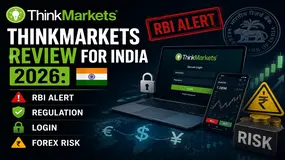
ThinkMarkets review for India: check the RBI Alert List, overseas entities, regulation, login security, forex rules, costs, withdrawals, and leverage risk.
WikiFXWikiFXWikiFXWikiFXWikiFXWikiFXWikiFXWikiFXWikiFXWikiFX