Abstract:South Korea is extending won-dollar forex trading hours from 9 a.m. to 2 a.m. to enhance traceability and attract global investors, maintaining stability and ample liquidity.
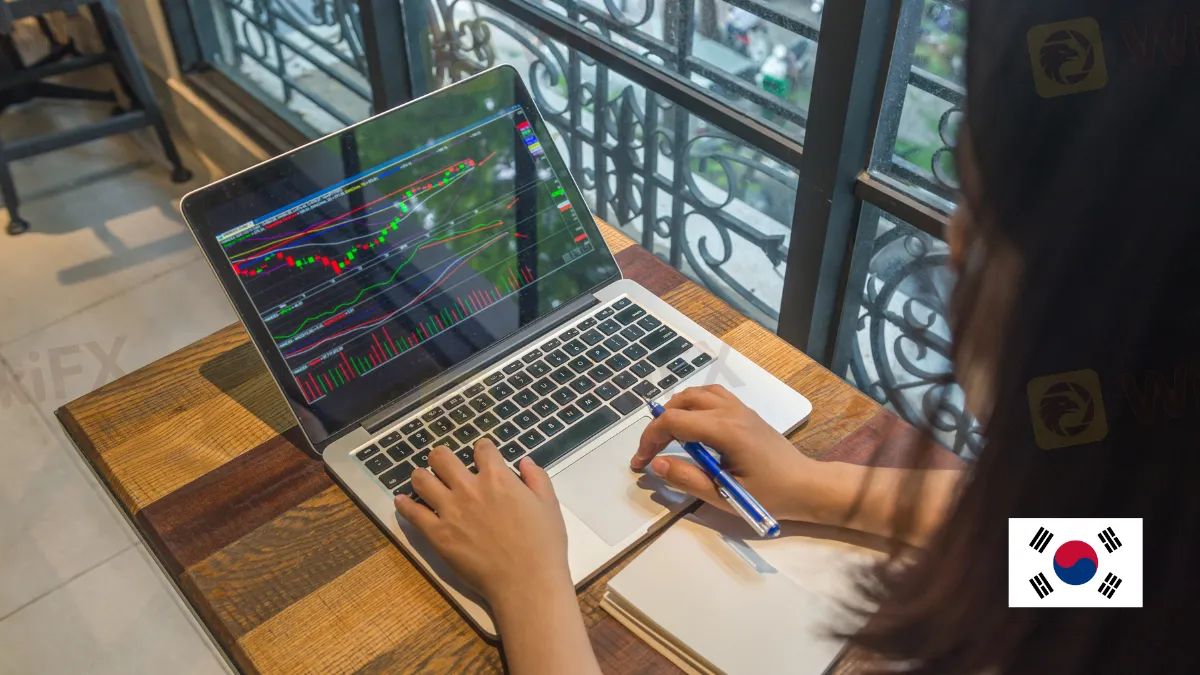
South Korea's extended forex trading hours for won-dollar transactions started successfully on Monday, according to the country's financial regulators. The move intends to increase the currency's trading availability and attract worldwide investors by expanding trading hours from 9 a.m. to 2 a.m., up from 9 a.m. to 3:30 p.m. before.
Choi Sang-mok, Deputy Prime Minister and Minister of Economy and Finance, paid a visit to KEB Hana Bank's headquarters in Seoul on Monday night, together with Bank of Korea Deputy Governor Ryoo Sang-dai. They examined the first day's trade under the revised timetable.
Choi noted that this structural change would connect Korea's forex market with global norms, increasing its openness and competitiveness. He emphasized that the government will continue to help local banks to ensure that these reforms occur smoothly.
Ryoo emphasized the role of domestic financial institutions in ensuring market stability throughout these changes. He emphasized that the government would continuously watch market patterns to guarantee stability.

Total spot trading volume for the first day of extended hours was $12.57 billion, with $2.46 billion transacted between 3:30 p.m. Monday and 2 a.m. Tuesday. According to the Bank of Korea, the average hourly trading volume from 9 a.m. to 3:30 p.m. was $1.56 billion, while the amount from 3:30 p.m. to 2 a.m. was $230 million.
Although trading volume declined dramatically during the extended hours, regulators highlighted that this trend is similar to other foreign currencies, which typically have lower volumes at night. Despite fears about heightened volatility, the market remained liquid and had a tight bid-ask spread.
The expanded trading hours are part of a larger effort to improve Korea's forex market and make it more accessible to international investors. This approach is also likely to enhance the long-term pricing differential between onshore and offshore exchange rates.
Kwan Ah-min, an analyst at NH Investment & Securities, said that better market access may attract more money, particularly in light of Korea's anticipated participation in the FTSE World Government Bond Index in September. This inclusion is part of the government's reform initiatives, with increased hours playing a crucial role.
Korea and India are now the only two nations in the world's top ten economies by nominal GDP that do not appear in this major bond index.
By 5 p.m. Monday, the Korean won had dropped 4.3 won to 1,388.8 per dollar.
Stay updated with the latest in the forex market! Get daily insights and news news.html" target="_self" style="color: rgb(46, 82, 153);">here.