


IG Review for India 2026: RBI Alert List, Regulation, Login, and Forex Risk
IG review for India in 2026: see the RBI Alert List entry, overseas regulation, login checks, forex limits, and a clear broker safety checklist.
Original

简体中文
繁體中文
English
Pусский
日本語
ภาษาไทย
Tiếng Việt
Bahasa Indonesia
Español
हिन्दी
Filippiiniläinen
Français
Deutsch
Português
Türkçe
한국어
العربية
اردو




Abstract:Coinbase achieves a first-quarter profit of $1.2 billion following the launch of bitcoin ETFs and increased trading volumes.
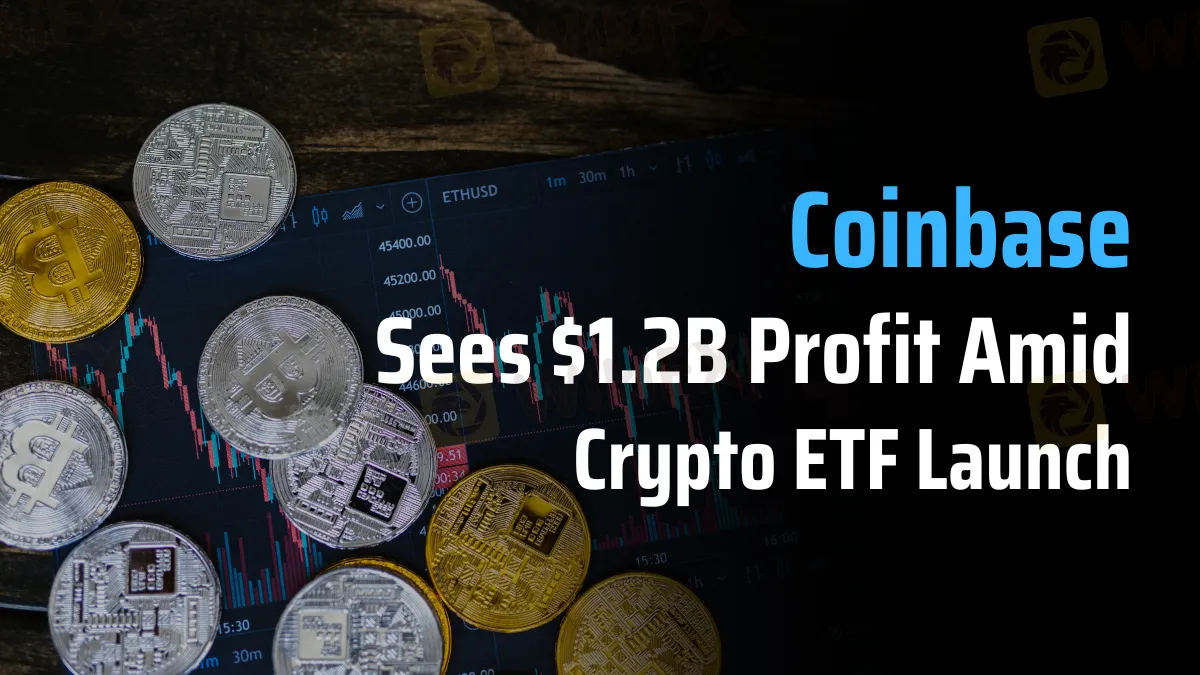
Coinbase Global (COIN.O) announced a substantial improvement in its financial situation, generating over $1 billion in earnings in the first quarter. The loss recorded over the same time last year stands in sharp contrast to this. Gains in volume from trading cryptocurrencies after the first exchange-traded funds (ETFs) tracking Bitcoin were listed in the United States contributed significantly to the profit boom.
After a loss of $79 million, or $0.34 per share, the previous year, the company recorded a net income of $1.2 billion, or $4.84 per share, for the quarter ending March 31. Despite a positive results release, Coinbase shares dipped 2.5% in after-hours trading. The decrease happened after the typical trading session witnessed a roughly 9% increase.
Paul Marino, Chief Revenue Officer of GraniteShares, commented on the stock's performance. “Despite a very solid report, the stock traded lower after hours, with concerns that trading volumes might decrease based on the downward movement in bitcoin prices,” according to the analyst.

The trading environment underwent significant changes in January when the United States Securities and Exchange Commission approved the establishment of six Bitcoin-related ETFs. Bitcoin values rose to a new all-time high of about $72,000 in March after the acceptance, which came after a ten-year battle with the industry. The end outcome was a renewed interest in digital assets. Coinbase's trade volume increased from $145 billion in the same quarter last year to $312 billion this quarter as a result.
Coinbase CEO Brian Armstrong attributed the company's financial health to its deliberate focus on preserving a low-cost structure while pursuing innovation during a teleconference with investors. “Continually innovating while keeping our cost structure low is paying off,” Armstrong added.
Still, larger economic worries have driven recent market sentiment shifts. Investors' expectations of interest rates have altered significantly in response to the US Federal Reserve's desire to keep rates high, which was hinted at during its most recent policy meeting. This has tempered the early excitement for cryptocurrencies earlier in the quarter.
Even with these challenges, Coinbase has increased interest income. Cryptocurrency startup Circle, manages USD Coin (USDC), a stablecoin that pays the company interest on reserves. Coinbase may generate steady interest revenue since USDC is intended to be a stable price token supported by dollars and similar assets. The firm's interest and financing fee revenue increased from $43.3 million in the preceding year to $66.7 million in the first quarter.
The most recent financial results from Coinbase highlight the potential and challenges in the rapidly developing digital asset market as the bitcoin sector grows.

Disclaimer:
The views in this article only represent the author's personal views, and do not constitute investment advice on this platform. This platform does not guarantee the accuracy, completeness and timeliness of the information in the article, and will not be liable for any loss caused by the use of or reliance on the information in the article.
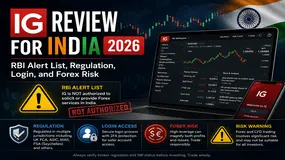
IG review for India in 2026: see the RBI Alert List entry, overseas regulation, login checks, forex limits, and a clear broker safety checklist.
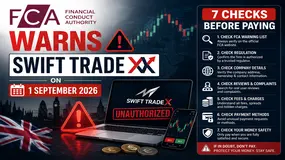
FCA warns Swift TradeX in a notice first published and updated on 1 September 2026. The UK Financial Conduct Authority says the firm may be providing or promoting financial services without permission, is not authorised, and may be targeting people in the UK. The notice names the website swifttradexai.com, a Worcester address and a UK telephone number, but also cautions that unauthorised businesses may use incorrect or borrowed contact details. The confirmed issue is authorisation status—not a court finding about every transaction. Anyone considering a payment should stop, verify the firm independently, and avoid using contact information supplied by the platform itself.
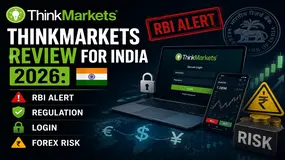
ThinkMarkets review for India: check the RBI Alert List, overseas entities, regulation, login security, forex rules, costs, withdrawals, and leverage risk.

Did mirrox, a brokerage firm, ask you to keep your margin level above 250%-300% and make you add funds immediately if it dropped below it? Did the broker prevent you from opening a trade despite having a healthy equity balance? Did it close your trading account upon a withdrawal request? Many traders have raised these concerns online while sharing their respective mirrox reviews. This article aims to examine these user allegations while answering the popular question: Is mirrox legit or a scam?
WikiFXWikiFXWikiFXWikiFXWikiFXWikiFXWikiFXWikiFXWikiFXWikiFX