Abstract:Regulations for the cryptocurrency market are increasingly crucial as fraud cases in the sector grow. However, the development of cutting-edge technologies has also brought up a number of drawbacks for the crypto industry. Most nations adopt restrictive measures in their approach in addition to developing regulatory agencies.
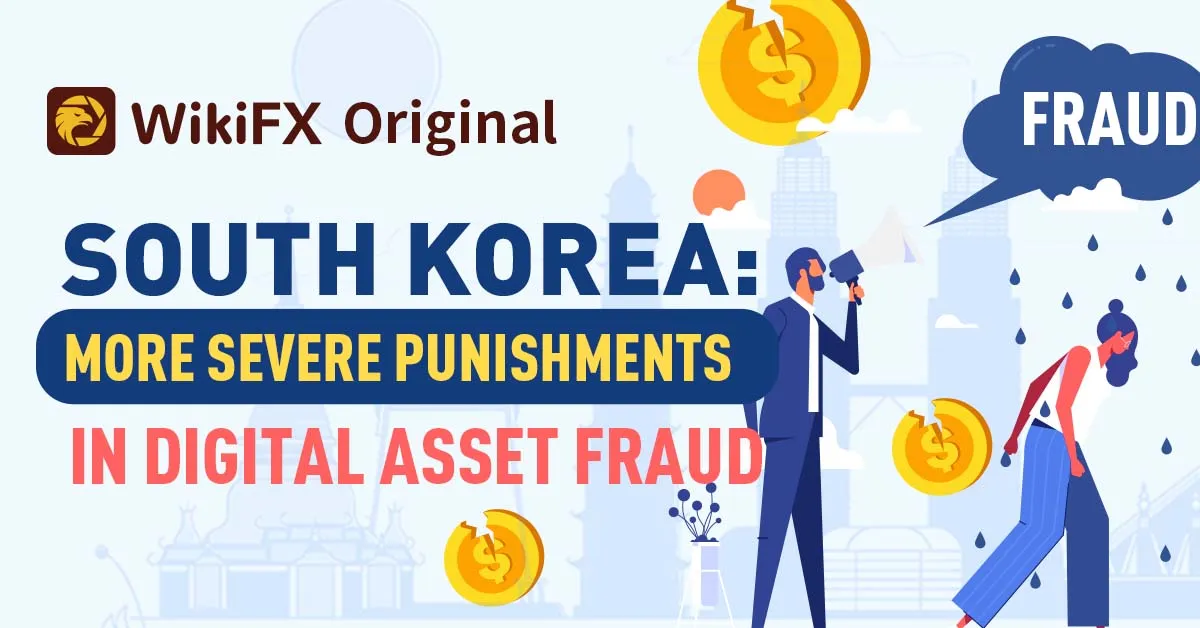
Regulations for the cryptocurrency market are increasingly crucial as fraud cases in the sector grow. However, the development of cutting-edge technologies has also brought up a number of drawbacks for the crypto industry. Numerous crypto-project crimes are carried out using technological procedures and platform flaws.
Most nations adopt restrictive measures in their approach in addition to developing regulatory agencies. Additionally, some have outlined penalties for perpetrators of cryptocurrency fraud and exploitation in respective jurisdictions.
Following the collapse of the Terra ecosystem this year, Korean authorities have taken new actions that focus on strengthening their legal framework. South Korean officials have announced plans to increase the severity of the penalties for cryptocurrency fraud. Currently, Do Kwon, the co-founder of Terraform Labs, is not only the subject of legal proceedings in South Korea and the US, but also he is facing a lawsuit of $57million-dollar lawsuit in Singapore.
Local media reports that the Financial Services Commission (FSC) and the National Assembly are working to pass a bill allowing financial authorities to supervise cryptocurrency exchanges and monitor unfair trade practices like using confidential information, price manipulation, and fraud.
They intend to adopt a bill that will make it easier for financial regulators to monitor and penalise unethical cryptocurrency trade operations. Price manipulation, the exploitation of confidential information, and fraud are examples of behaviours listed in the supervision of crypto exchanges.
The National Assembly has already circulated 14 ideas for additional crypto asset regulation. Additionally, work is being done on the comprehensive Digital Assets Basic Act. From 2023 on, increased investor protection is the goal.
Unnamed National Assembly officials claim that the US Securities and Exchange Commission (SEC) has a broad range of legislative authority. Therefore, penalising unfair trade in digital assets does not require distinct legislation. However, in Korea, appropriate legislation is necessary to do so.
The regulators have not yet given specifics regarding the penalties for breaking the law governing trading techniques. However, future designs are what is anticipated. Additionally, they will coordinate punishments and oversight at comparable and attainable levels in the conventional financial system.