





IG Review for India 2026: RBI Alert List, Regulation, Login, and Forex Risk
IG review for India in 2026: see the RBI Alert List entry, overseas regulation, login checks, forex limits, and a clear broker safety checklist.
Original

简体中文
繁體中文
English
Pусский
日本語
ภาษาไทย
Tiếng Việt
Bahasa Indonesia
Español
हिन्दी
Filippiiniläinen
Français
Deutsch
Português
Türkçe
한국어
العربية
اردو




Abstract:Forex traders often have to come to terms with these two popular concepts - Support and Resistance. A support level refers to the point where buyers have historically come together to prevent the price from sliding further. On the other hand, the point of resistance is where sellers have historically limited upward movement. These two levels form the foundation of many trading strategies employed by traders to spot entry, exit and stop-loss points. However, many beginners begin to think that these price levels are unbreakable. Such assumptions can go horribly wrong during high-impact economic news releases such as inflation reports, employment data, monetary policy announcements by the central bank or any other major news events. These events can trigger price movements so much that even the strongest support and resistance levels can crack within seconds.
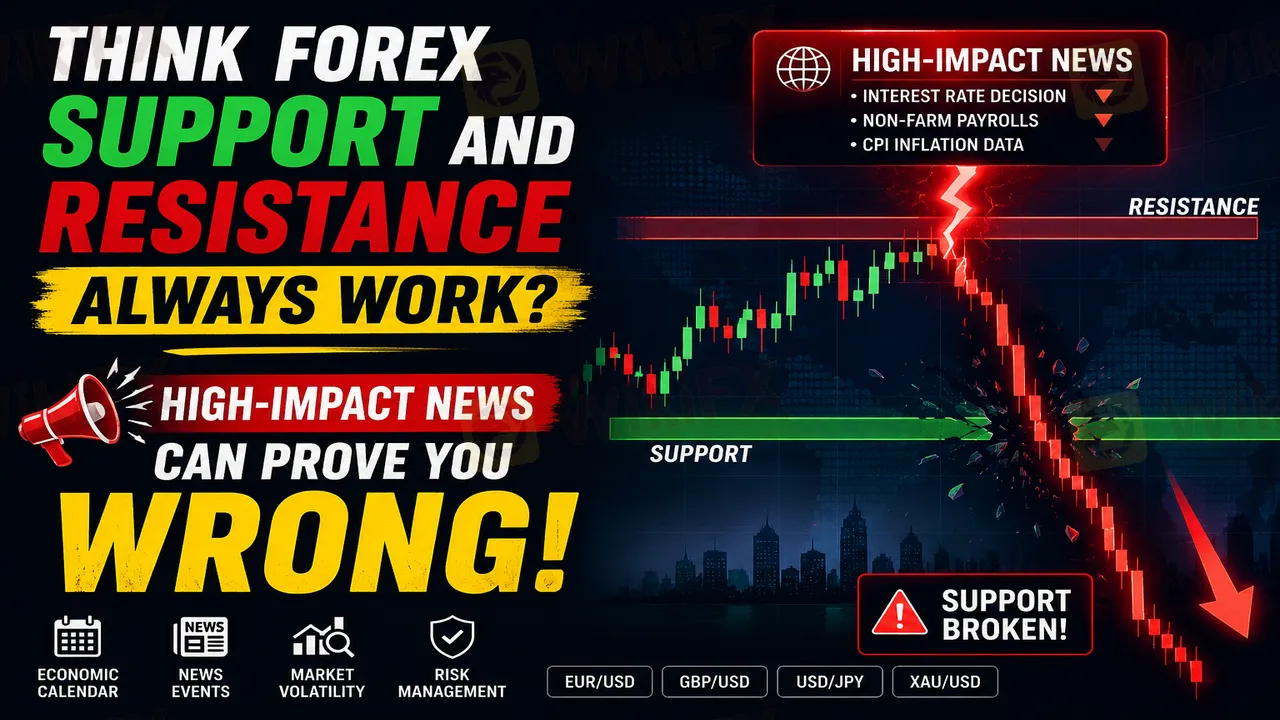
Forex traders often have to come to terms with these two popular concepts - Support and Resistance. A support level refers to the point where buyers have historically come together to prevent the price from sliding further. On the other hand, the point of resistance is where sellers have historically limited upward movement. These two levels form the foundation of many trading strategies employed by traders to spot entry, exit and stop-loss points.
However, many beginners begin to think that these price levels are unbreakable. Such assumptions can go horribly wrong during high-impact economic news releases such as inflation reports, employment data, monetary policy announcements by the central bank or any other major news events. These events can trigger price movements so much that even the strongest support and resistance levels can crack within seconds.
 Contents
Its the market psychology that makes support and resistance levels exist. Traders often remember the prices where markets reversed previously, creating several buy and sell orders around such levels. Hedge funds, retail traders and institutional traders usually monitor these levels, allowing them to reinforce under normal market conditions.
For instance, if EUR/USD constantly finds buying signals around 1.1500, traders start considering that level as strong support. At the same time, if this currency pair finds it hard to move past 1.1600 many times, it converts into a recognized resistance level. These levels usually lead to temporary reversals or price consolidation under normal market conditions, allowing traders to enter or exit trades.
The fresh information emerging from high-impact news often leads to a change in market expectations. Events, such as the Consumer Price Index (CPI), Non-Farm Payrolls (NFP) and Federal Reserve interest rate decisions or any geopolitical developments, often make traders reassess the currency value almost immediately. These events prevent markets from reacting primarily to historical levels. Rather, the market starts reacting to new economic information.
Suppose the EUR/USD pair has gone beyond a strong support level for several days. If a stronger-than-expected US jobs report significantly raises confidence in the USD, aggressive selling may overwhelm buyers. The previously held support level for multiple times may break with little hesitation. During these times, fundamental developments take precedence rather than technical analysis, for the short term only.
Major news releases come with a sharp rise in market volatility. They may trigger a sudden and sharp price movement within seconds. This will likely make technical signals less reliable. This often leads to false breakouts. Prices may break above resistance for a brief period and then reverse sharply as the initial order wave subsides. At the same time, support may appear broken before buyers quickly regain control. This quick back-and-forth movement usually triggers stop-loss orders on both sides of the market before a clearer direction emerges. Inexperienced traders can make emotional decisions and face unnecessary losses due to these sudden price swings.
High-impact news can lead to reduced market liquidity. Despite increased possibilities of high trading volume, many liquidity providers raise spreads or decrease available liquidity due to increased uncertainty. The likely fewer resting orders around key price levels can easily make relatively large market orders push prices through support or resistance compared to normal trading hours.
Technical analysis is as important as fundamental analysis. However, one must understand the limitations major news events can leave you with while trading. You can reduce unnecessary risks by adopting these habits.
Support and resistance are powerful tools, but they are not guarantees. During high-impact news events, fresh economic information, heightened volatility, and changing liquidity conditions can quickly overpower historical price levels. Rather than assuming these levels will always hold, traders should treat them as probability zones instead of fixed barriers.
By monitoring the economic calendar, managing position sizes, and combining technical analysis with fundamental awareness, traders can better navigate periods of elevated market volatility and avoid costly surprises when the next major news release hits the Forex market.
Download the WikiFX app for more such insightful forex updates.

Interesting Articles for You
Review 2026: I’m Unable to Receive My Profits. We Investigated This Common User Allegation.Disclaimer:
The views in this article only represent the author's personal views, and do not constitute investment advice on this platform. This platform does not guarantee the accuracy, completeness and timeliness of the information in the article, and will not be liable for any loss caused by the use of or reliance on the information in the article.
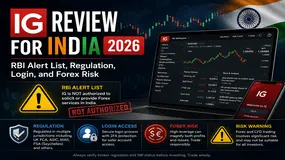
IG review for India in 2026: see the RBI Alert List entry, overseas regulation, login checks, forex limits, and a clear broker safety checklist.

Orbex, a Cyprus-based brokerage entity, has recorded 30 exposure complaints on WikiFX, a leading forex broker regulation inquiry tool, so far. Other review websites have also recorded a healthy number of complaints against the brokerage firm. These complaints largely talk about the alleged profit confiscations by the broker in the name of trading violations, difficulty in accessing fund withdrawals, capital losses due to artificial slippage, etc. In this Orbex review, we have investigated user complaints and provided a regulatory overview of the broker.
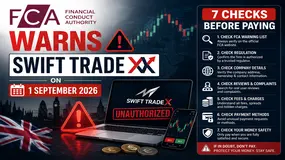
FCA warns Swift TradeX in a notice first published and updated on 1 September 2026. The UK Financial Conduct Authority says the firm may be providing or promoting financial services without permission, is not authorised, and may be targeting people in the UK. The notice names the website swifttradexai.com, a Worcester address and a UK telephone number, but also cautions that unauthorised businesses may use incorrect or borrowed contact details. The confirmed issue is authorisation status—not a court finding about every transaction. Anyone considering a payment should stop, verify the firm independently, and avoid using contact information supplied by the platform itself.
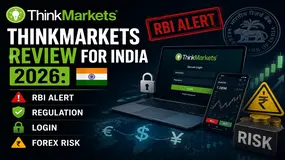
ThinkMarkets review for India: check the RBI Alert List, overseas entities, regulation, login security, forex rules, costs, withdrawals, and leverage risk.
WikiFXWikiFXWikiFXWikiFXWikiFXWikiFXWikiFXWikiFXWikiFXWikiFX