

Global Broker Regulation Inquiry App
About WikiFX
English
简体中文
繁體中文
English
Pусский
日本語
ภาษาไทย
Tiếng Việt
Bahasa Indonesia
Español
हिन्दी
Filippiiniläinen
Français
Deutsch
Português
Türkçe
한국어
العربية
FXTRADING Economic Data Summary (Asia-Pacific | 03/06)
Abstract:Eurozone consumer momentum shows signs of easingEurozone retail sales declined slightly by 0.1% month-on-month in January, contrasting with earlier market expectations for growth. Within the consumpti

Eurozone consumer momentum shows signs of easing
Eurozone retail sales declined slightly by 0.1% month-on-month in January, contrasting with earlier market expectations for growth. Within the consumption structure, spending on food, beverages and tobacco remained relatively resilient, posting a 0.3% increase during the month and becoming one of the few segments of retail activity that maintained growth. However, most other consumption categories weakened, highlighting a noticeable lack of overall consumption momentum.
A closer look at the details shows that non-food retail spending fell by 0.2%, while motor fuel sales dropped by 1.1%, indicating that travel demand eased after the holiday period and energy consumption also declined. In terms of regional performance, retail sales across the broader European Union also slipped by 0.1%. Estonia, Latvia and Portugal recorded the strongest gains, while Slovakia, Slovenia and Croatia experienced the largest declines, suggesting that regional disparities remain significant. FXTRADING analysis suggests that the recovery in Eurozone consumption is still fragile, and with income growth limited and price pressures still present, household spending appetite is unlikely to strengthen significantly in the near term.
The US economy continues a moderate expansion path
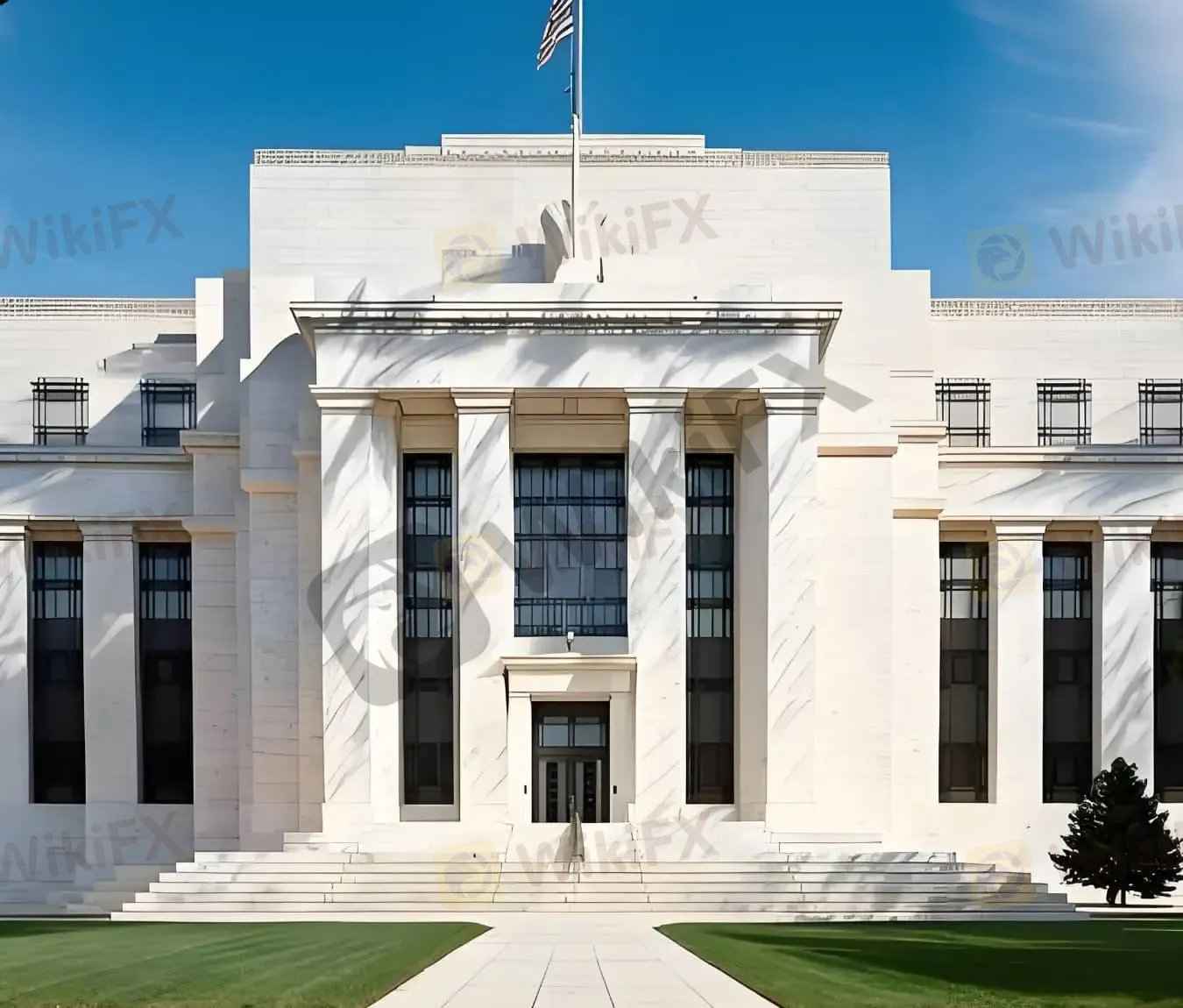
The Federal Reserves latest Beige Book survey shows that the US economy is still expanding at a moderate pace, although performance varies significantly across regions. Among the twelve Federal Reserve districts, seven reported slight to moderate growth in economic activity, while the remaining five districts indicated conditions that were either flat or slightly weaker, an increase compared with the previous report.
Consumer spending also shows clear divergence. Overall spending increased only slightly, and some regions even reported weak sales. Businesses commonly noted that consumers have become more sensitive to prices, particularly among lower-income households where spending has declined, creating pressure on both the retail and services sectors. FXTRADING analysis suggests that the US economy remains in a steady expansion phase, but with consumer momentum gradually softening, future growth may depend more heavily on corporate investment and industrial demand.

UK services expand but cost pressures remain elevated
The UK services sector maintained its expansion at the start of the year. The final reading of the Services PMI for February came in at 53.9, little changed from the previous month, while the Composite PMI held at 53.7. Both indicators remain in expansion territory and near the higher end of levels seen over the past seventeen months.
Business feedback indicates that improving domestic demand has been an important factor supporting growth in activity. New orders increased and sales channels became more active. However, export orders remained weak, with growth slowing to the lowest pace in nearly three months. Meanwhile, employment in the sector continued to decline, as many firms reduced staffing levels to improve efficiency and manage cost pressures. FXTRADING analysis suggests that although the UK services sector continues to grow, businesses are still facing significant cost pressures, and the balance between inflation and employment will remain a key challenge for the UK economy.

US job growth remains modest with structural differences emerging
Private sector employment in the United States continued to expand in February, although the overall pace of growth remained moderate. According to the ADP report, about 63,000 new jobs were added during the month, slightly above market expectations of around 45,000, indicating that the labor market still retains a degree of resilience.
From an industry perspective, the services sector remained the primary source of job creation, adding roughly 47,000 positions, while goods-producing industries contributed about 16,000 jobs. Differences across company sizes were also evident. Small businesses accounted for most of the job gains, hiring increased modestly among large companies, while employment at mid-sized firms declined. In terms of wages, pay for workers who stayed in their jobs rose around 4.5% year-on-year, while wage growth for job changers eased slightly, suggesting that competition in the labor market is beginning to cool. FXTRADING analysis believes that the US labor market remains stable overall, but the momentum in wage growth and job mobility is gradually slowing, which may indicate that the labor market is moving from its previously tight conditions toward a more balanced stage.
(For more insights into global macroeconomic trends and market developments, please follow FXTRADINGs official updates. This information is provided for reference only and does not constitute any form of investment advice.)
Disclaimer:
The views in this article only represent the author's personal views, and do not constitute investment advice on this platform. This platform does not guarantee the accuracy, completeness and timeliness of the information in the article, and will not be liable for any loss caused by the use of or reliance on the information in the article.
WikiFX Broker
Latest News
'Resumption of hostilities': seized ship, vessel attacks push U.S.-Iran ceasefire toward brink
 WikiFX
Anatomy of Currency Pairs: Why New Traders Start With EUR/USD
WikiFXXTB Fined PLN 20 Million by Polish Regulator Over CFD-Related Compliance Issues
WikiFXDaman Securities Regulation: Is It Safe or High Risk?
WikiFXPrimeWaveFX Review 2026 – Should You Trade With This Broker?
WikiFXSEB Regulation: Is SEB Licensed or High Risk?
WikiFXWhy Your Forex Trade Executed at the Wrong Price
WikiFX24markets Regulation: Is 24markets FSC Regulated?
WikiFXdbinvesting Review 2026: Is this Forex Broker Legit or a Scam?
WikiFXBAXIA MARKETS Regulation: Is BAXIA MARKETS Regulated?
WikiFXCurrency Calculator
USD

CNY
Current Rate:0
Enter amount
USD
Redeemable Amount
CNY
Calculate 