

Global Broker Regulation Inquiry App
About WikiFX
English
简体中文
繁體中文
English
Pусский
日本語
ภาษาไทย
Tiếng Việt
Bahasa Indonesia
Español
हिन्दी
Filippiiniläinen
Français
Deutsch
Português
Türkçe
한국어
العربية
اردو


Dollar Hegemony Under Siege: DXY Breaches 97.00 as China Curbs Debt and JGB Yields Hit 30-Year Highs

WikiFX
|


Abstract: The US Dollar Index (DXY) has breached the critical 97.00 support level, driven by Chinese divestment warnings and a historic surge in Japanese bond yields. Global capital flows are aggressively rotating out of US equities into European and Asian markets, signaling a potential structural end to the prolonged period of Dollar dominance.
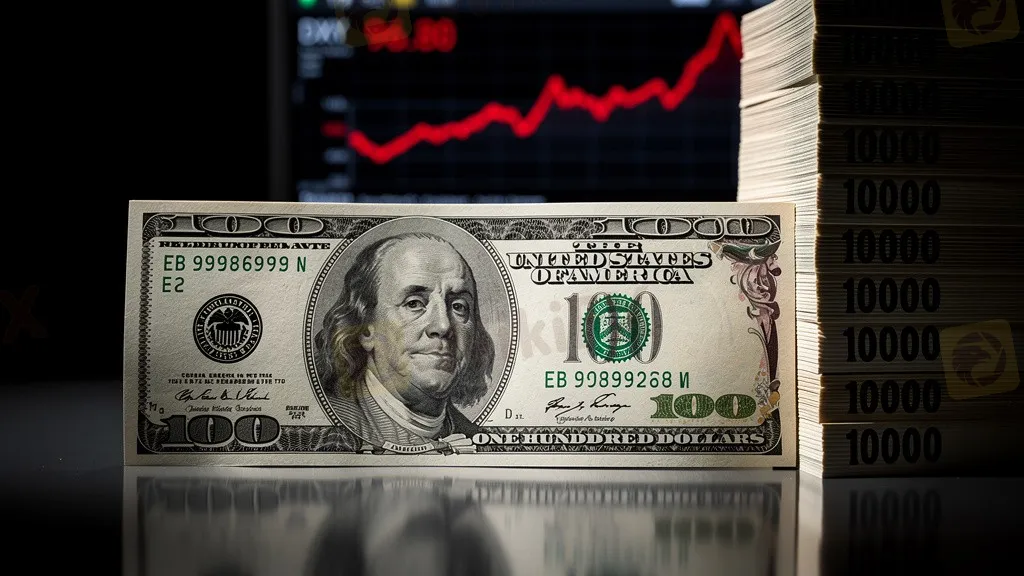
The US Dollar's dominance faces its sternest test in years, with the Dollar Index (DXY) sliding below the psychological 96.80 mark in Asian trading. A confluence of geopolitical maneuvering, monetary policy divergence, and a seismic shift in global capital allocation has triggered a sharp sell-off in the greenback, validating analyst fears of a structural rotation away from US assets.
Key Market Data
- Price Action: DXY falls below breakdown level 97.00.
- Fixed Income: 2-year JGB yield hits a significant 30-year peak.
- Trend: Capital flowing into Europe, Japan, and Emerging Markets since start of 2026.
The China Catalyst and JGB Shock
The immediate trigger for the latest leg lower appears to be reports that Beijing is urging limitations on US Treasury holdings. This geopolitical signal has spooked bond markets, already grappling with liquidity questions.
Simultaneously, the Japanese bond market is exerting immense pressure on the Dollar's yield advantage. The 2-year Japanese Government Bond (JGB) yield has surged to a 30-year peak, fundamentally altering the carry trade landscape. As Japanese rates climb, domestic capital is repatriating, tightening the noose on USD/JPY and accelerating the broader dollar decline.
Global Rotation: The 'ABC' Trade
Market data confirms a broader trend identified by institutional strategists: a “Great Rotation” out of concentrated US exposure. Since the start of 2026, indices in Europe, Japan, and Emerging Markets have collectively outperformed the S&P 500.
With the Federal Reserve eyeing a potential rate cut window—despite conflicting signals from policy figures like Kevin Warsh—institutional investors are lowering US concentration. The narrative has shifted from “US Exceptionalism” to valuation sensitivity, benefiting the Euro and the Yen.
Policy Confusion Adds Volatility
Further weighing on the greenback are mixed messages from the US policy orbit. Former governor Kevin Warsh has sparked controversy by advocating for interest rate cuts paired with balance sheet contraction (QT) to manage inflation risks. While historically, markets force central bankers to correct policy missteps, the current ambiguity is denying the Dollar any hawkish support.
Technicals
- Psychological breakdown below 97.00.
- Slid sub-96.80 mark in Asian trading, signaling structural weakness.
Disclaimer:
The views in this article only represent the author's personal views, and do not constitute investment advice on this platform. This platform does not guarantee the accuracy, completeness and timeliness of the information in the article, and will not be liable for any loss caused by the use of or reliance on the information in the article.
WikiFX Broker
Latest News
EURUSD | Demand Zone Holding, Bulls Eyeing Higher Resistance
WikiFXKudotrade Review 2026: Reported Slippage & Trade Execution Issues You Should Know
WikiFXEUR/USD: Bearish Structure Shift
WikiFXFxPro Opens Five CFDs To Weekend Trading
WikiFXValutrades Rejects Exit Rumors Amid Client Review
WikiFX1MDB Recovery Still Leaves RM20 Billion Burden
WikiFXYen Speculators Turn Net Long as USD/JPY Holds Near Seven-Month Low
WikiFXMalaysia Pursues RM4.2 Billion Claim Against Singapore's DBS Bank
WikiFXFxPro Adds Weekend Trading for Five CFD Markets
WikiFX