


Fed September Hike: What Malaysian Traders Should Watch
Fed hike expectations are rising after Warsh’s hawkish speech. Here is what it could mean for USD/MYR, gold and forex trading risks in Malaysia.
Original

简体中文
繁體中文
English
Pусский
日本語
ภาษาไทย
Tiếng Việt
Bahasa Indonesia
Español
हिन्दी
Filippiiniläinen
Français
Deutsch
Português
Türkçe
한국어
العربية
اردو




Abstract:A power struggle over the future of the Federal Reserve is intensifying as Treasury Secretary nominee Scott Bessent spearheads a process to select the next Fed Chair, aiming to align the central bank more closely with the White House's economic agenda.
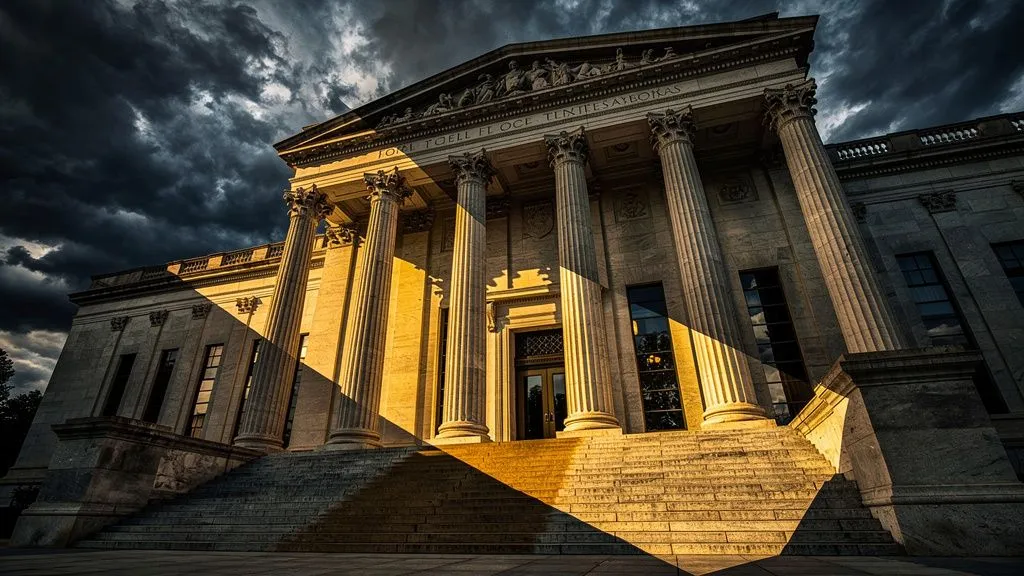
A power struggle over the future of the Federal Reserve is intensifying as Treasury Secretary nominee Scott Bessent spearheads a process to select the next Fed Chair, aiming to align the central bank more closely with the White House's economic agenda.
Reports indicate that President-elect Donald Trump has issued a stark ultimatum to Bessent regarding interest rates: “Fix it, or you're fired.” In response, Bessent is orchestrating a screening process for the next Fed Chair intended to identify candidates sympathetic to rate cuts and coordinated policy.
The shortlist has narrowed to the “Two Kevins”:
Bessents strategy involves reviving a pre-1951 dynamic where the Treasury held significant sway over the Fed, particularly regarding balance sheet operations (QE/QT). Proponents argue this coordination is necessary for managing the $30 trillion Treasury market, while critics warn it strikes at the heart of institutional independence.
Sensing the encroaching political pressure, the Federal Reserve has reportedly moved to “fortify” its independence. In a rare maneuver, regional Fed presidents have been reappointed ahead of schedule, a move Wall Street analysts interpret as an effort to secure the central bank's leadership structure against executive overreach.
Market participants are closely watching these developments. A politicized Fed could fundamentally alter the USDs risk profile, particularly if monetary policy is perceived as subservient to fiscal goals or election cycles.
Disclaimer:
The views in this article only represent the author's personal views, and do not constitute investment advice on this platform. This platform does not guarantee the accuracy, completeness and timeliness of the information in the article, and will not be liable for any loss caused by the use of or reliance on the information in the article.
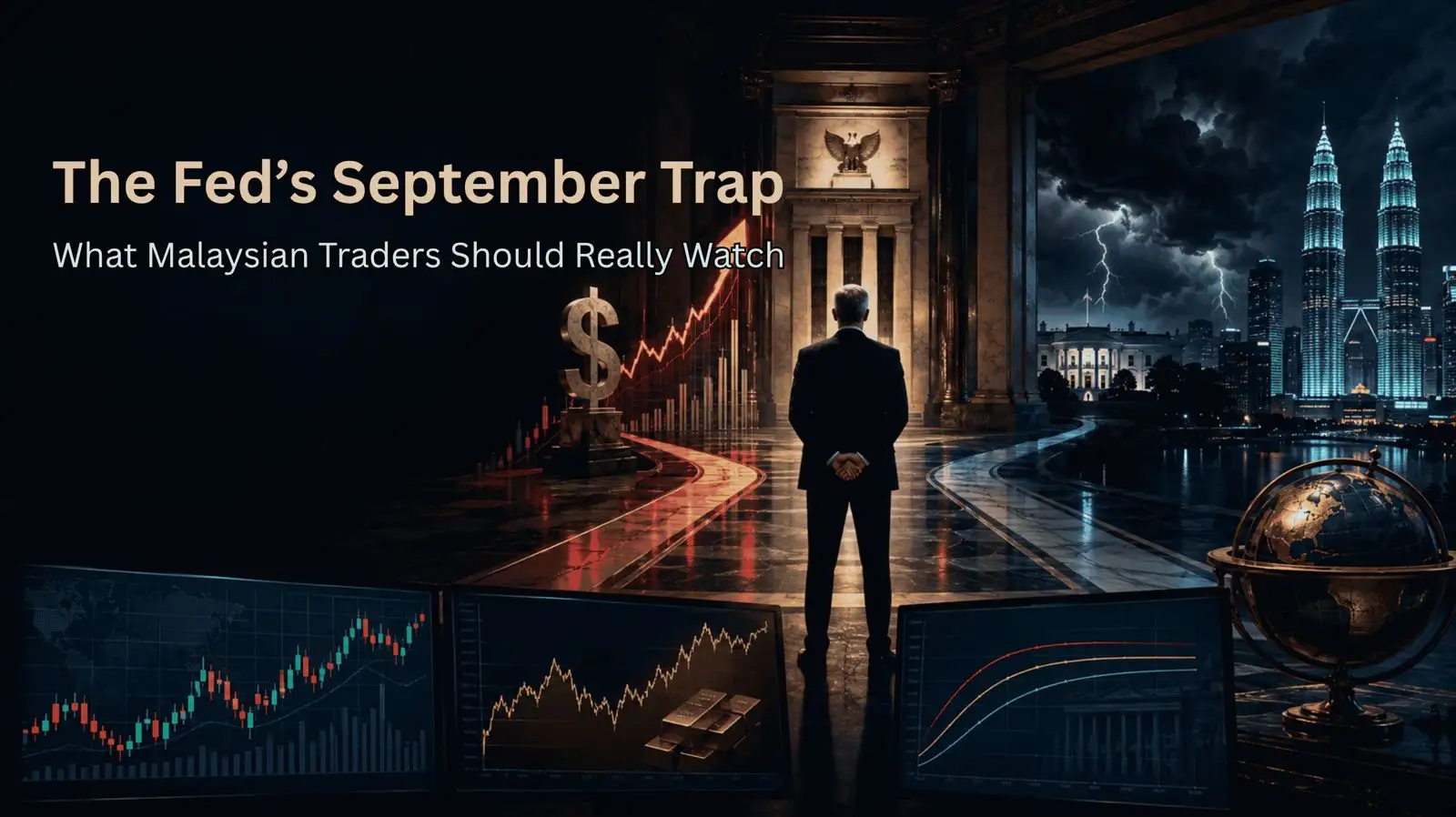
Fed hike expectations are rising after Warsh’s hawkish speech. Here is what it could mean for USD/MYR, gold and forex trading risks in Malaysia.
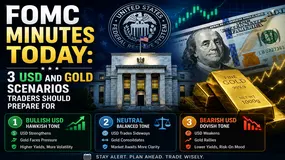
The Fed releases the July FOMC minutes on 19 August 2026. Here are three USD and gold scenarios, confirmation signals, and a practical risk checklist for traders.
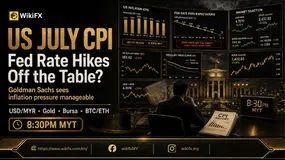
Goldman Sachs expects inflation to remain manageable as America’s labour market loses momentum. For Malaysian investors, the result could influence the US dollar, ringgit, gold and Bursa sentiment.
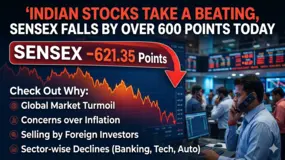
Indian stock markets witnessed a sharp low in the early trading hours on Monday. While the Sensex fell by more than 600 points, Nifty slumped under 23,200. The fall in the stock market today is the investors’ reaction to the escalating tensions in the Middle East, a surge in crude oil prices and weakness across markets worldwide. At around 9:30 a.m. on June 8, 2026, the BSE Sensex dropped by 627.47 points to 73,615.87, recording a fall of 0.85%. At the same time, the Nifty declined by 195.40 points to 23,171.30, registering a 0.84% fall. The selloff was broad based, with most sectoral indices slipping into red. Nifty IT, Nifty Realty, Nifty Auto and Nifty Metal slipped by 1.61%, 1.68%, 1.21% and 1.31%, respectively. Even the Nifty Midcap 100 and Nifty Smallcap 100 declined by 0.73% and 0.63%, respectively. As far as Sensex stocks are concerned, only State Bank of India, Axis Bank, Power Grid Corporation of India and Sun Pharmaceutical Industries were found to be green. Among the one
WikiFXWikiFXWikiFXWikiFXWikiFXWikiFXWikiFXWikiFXWikiFXWikiFX