


Why Most Retail Traders Fail: What the Numbers Reveal
Retail trading data shows why so many traders quit or lose money, from short survival periods and high costs to overconfidence, emotional decisions, and poor risk control.
Original

简体中文
繁體中文
English
Pусский
日本語
ภาษาไทย
Tiếng Việt
Bahasa Indonesia
Español
हिन्दी
Filippiiniläinen
Français
Deutsch
Português
Türkçe
한국어
العربية
اردو




Abstract:You placed a trade. You nailed the direction. The market is moving in your favor, so you decide to hold the position for a few days to squeeze out every last pip of profit.
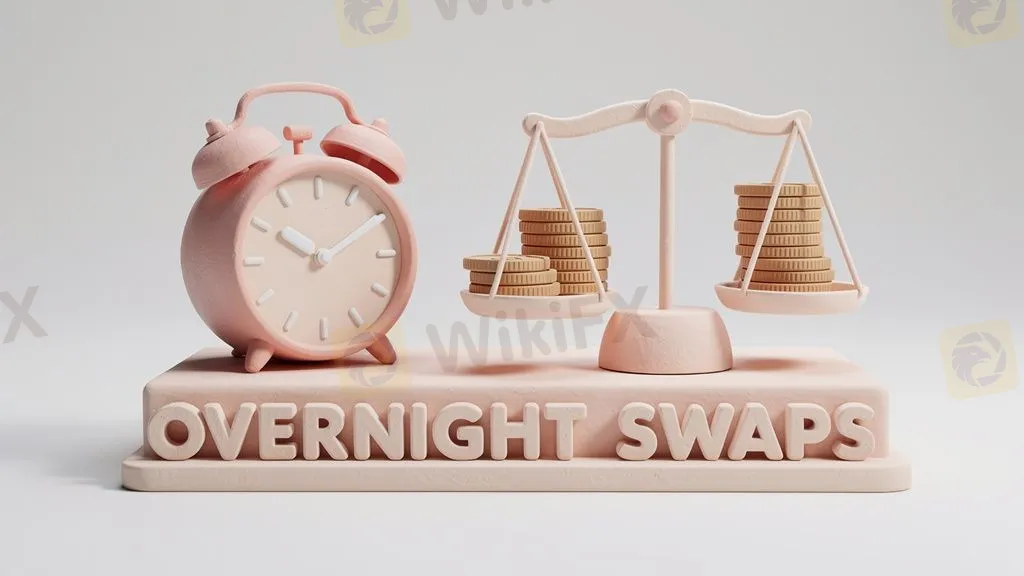
You placed a trade. You nailed the direction. The market is moving in your favor, so you decide to hold the position for a few days to squeeze out every last pip of profit.
But when you wake up the next morning, the math doesn't add up. Your profit is there, but your actual account equity is lower than expected.
What happened? You just met the silent killer of swing trading: Overnight Interest, also known as the Swap.
Novice traders often obsess over spreads and commissions, ignoring the swap. That is a rookie mistake. Depending on what you are trading, holding a position while you sleep will either put extra cash in your pocket or slowly drain your account.
Lets cut through the noise and look at how this actually works.
Forget the complex banking jargon. Here is the reality: Forex trading is always done in pairs. You are buying one currency and selling another simultaneously.
Every currency has an interest rate set by its Central Bank.
The “Swap” is simply the difference between these two interest rates.
Let's say you buy USD/JPY.
Since what you earn is greater than what you pay, the broker pays you. You wake up, and theres a little bonus credit in your account just for holding the trade. This is called a “Positive Carry.”
Now, flip it. You decide to Short (Sell) USD/JPY.
Now you owe money. The broker will deduct this difference from your account balance every single night you keep that trade open. If you hold this for weeks, that cost stacks up and eats into your profits.
Yes, but its risky. This strategy is called the “Carry Trade.” Big institutional players do this all the time—buying high-interest currencies against low-interest ones just to harvest the daily interest payments.
However, retail brokers usually add a “markup” to the swap rates. This is their fee for providing the service. Because of this markup, you might find that on some pairs, both the Long and Short positions have negative swaps.
This brings me to a critical safety warning.
Not all brokers play fair. Some shady platforms will drastically inflate the negative swap rates to bleed out profitable traders who hold positions long-term. They make the “rent” for holding a trade so expensive that you are forced to close it.
Before you deposit your hard-earned savings, you need to know who you are dealing with. Check the broker's regulatory status and trading environment on WikiFX.
I always tell my students: WikiFX is your shield. If a broker has a history of manipulating fees or hiding swap conditions, youll likely see the warnings there first. Don't let a scam broker steal your swap profits.
If you are new to this, here is a specific rule that catches almost everyone off guard: Triple Swap Wednesday.
Foreign exchange markets settle trades in two days (T+2). If you hold a position open past 5:00 PM (New York time) on Wednesday, the trade settles on the weekend. Since banks are closed on weekends, they charge you swap for Saturday and Sunday essentially all at once.
This means on Wednesday night, the swap fee (or earnings) is multiplied by three.
If you are holding a “negative swap” trade, Wednesday night is expensive. If you are scalping or day trading, you might want to close your position before the daily rollover to avoid that hit.
Stop ignoring the swap column in your trading terminal.
Trading is hard enough without bleeding cash overnight. Understand the costs, verify your broker, and protect your capital.
Disclaimer: This article is for educational purposes only and does not constitute financial advice. Trading involves risk, including the loss of principal.
Disclaimer:
The views in this article only represent the author's personal views, and do not constitute investment advice on this platform. This platform does not guarantee the accuracy, completeness and timeliness of the information in the article, and will not be liable for any loss caused by the use of or reliance on the information in the article.
Retail trading data shows why so many traders quit or lose money, from short survival periods and high costs to overconfidence, emotional decisions, and poor risk control.

The market is a game of psychology, not just economics. Trade what the chart is doing, not what the news anchor is saying.
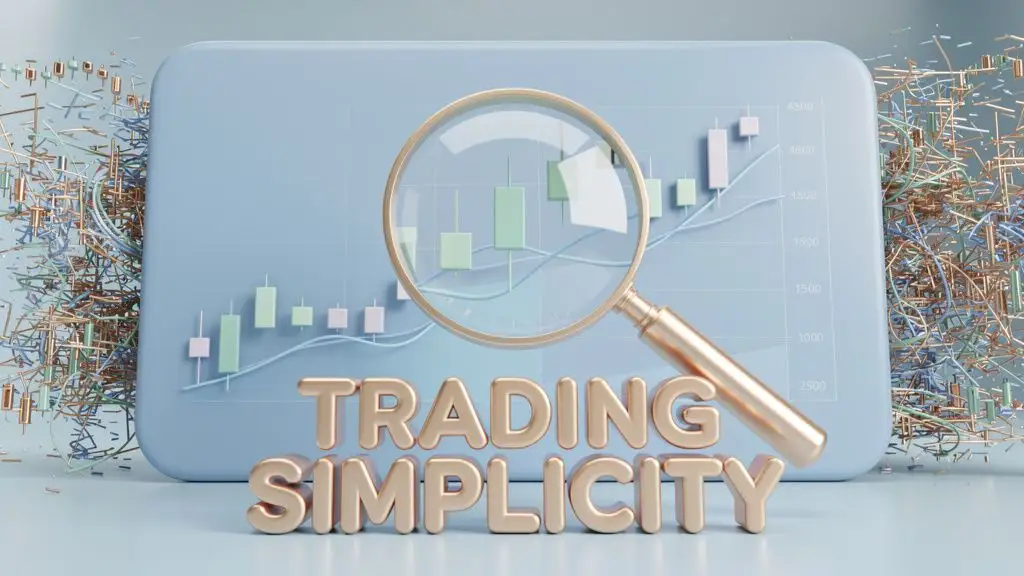
I see it every single day. A student sends me a screenshot of their trading setup, asking why they got stopped out.
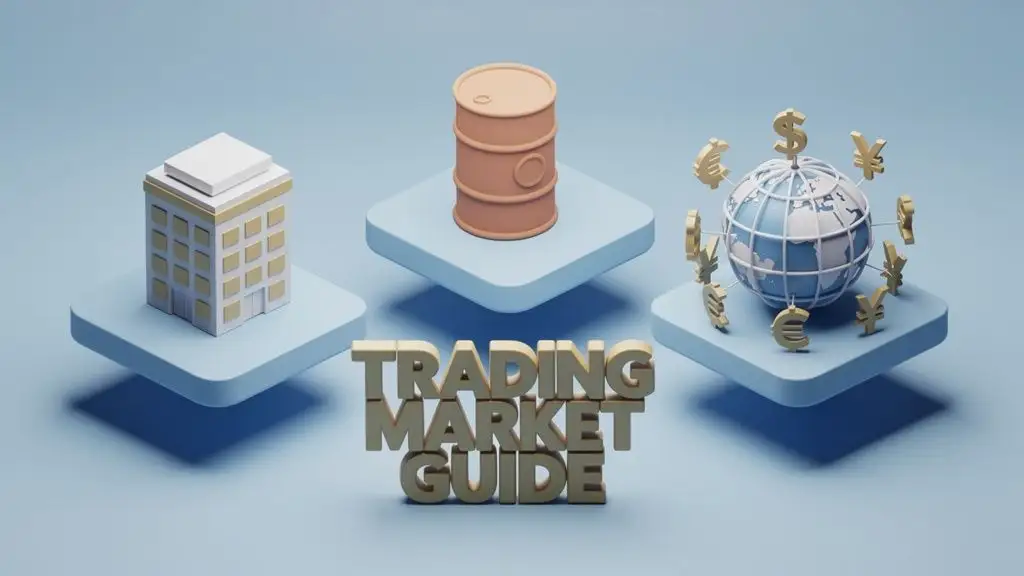
You’ve probably seen the screenshots on social media. Someone turns $500 into $5,000 in a single morning, and suddenly everyone wants to be a trader. But here is the cold reality: trading isn’t a single game. It’s a collection of different battlefields, and if you bring a knife to a gunfight, you’re going to lose your capital.
WikiFXWikiFXWikiFXWikiFXWikiFXWikiFXWikiFXWikiFXWikiFX