Abstract:Saxo Bank, established in 2001, is a prominent financial services provider with a significant global footprint. With a high WikiFX Score of 8.02 and an Influence Rank of AA, the broker is one of the more established players in the market. The company operates with a heavy focus on multiple jurisdictions, offering support in over 38 languages.
Saxo Bank, established in 2001, is a prominent financial services provider with a significant global footprint. With a high WikiFX Score of 8.02 and an Influence Rank of AA, the broker is one of the more established players in the market. The company operates with a heavy focus on multiple jurisdictions, offering support in over 38 languages.
Despite its high standing, data indicates recent regulatory interventions and specific license irregularities that traders should be aware of. This review analyzes Saxo Bank's regulatory framework, safety record, and recent compliance issues.
Is Saxo Bank Legit? **Regulatory Framework
Saxo Bank holds licenses in several top-tier jurisdictions. Its regulatory status is complex, featuring a mix of highly regulated entities and some specific licenses that are marked as revoked or unverified in the provided database.
Active & Valid Licenses
Saxo Bank operates under the supervision of several major financial authorities. Below is the breakdown of its valid regulatory statuses:
Licenses with Warning Signs
While the broker has strong Tier-1 regulation, certain entries in the regulatory database show issues:
- Australia (ASIC): The license associated with “TOTALITY WEALTH LIMITED” (License No. 280372) is currently marked as Unverified.
- UAE (DFSA) & France (AMF - Alternate): Specific licenses in these regions are marked as Revoked.
Traders should distinguish between the main regulated entities (like Saxo Capital Markets UK Ltd) and other regional entities where the regulatory status may have changed.
Regulatory Disclosure & Compliance Issues ****
While Saxo Bank has a high safety score, the Regulatory Disclosure data highlights two significant events regarding compliance and operational security.
1. ASIC Stop Order (Australia)
In May 2023, the Australian Securities and Investments Commission (ASIC) issued a temporary “Stop Order” against Saxo Capital Markets (Australia) Limited.
- Reason: Deficiencies in the broker's “Target Market Determinations” (TMDs) for new CFD products.
- Details: ASIC was concerned that Saxo's high-risk derivative products (including Single Stock CFDs, ETF CFDs, and Cryptocurrency derivatives) were being distributed to retail clients for whom they might not be suitable.
- Outcome: Saxo subsequently revised its TMDs to address ASIC's concerns, and the stop order was lifted.
2. Japan FSA Administrative Action
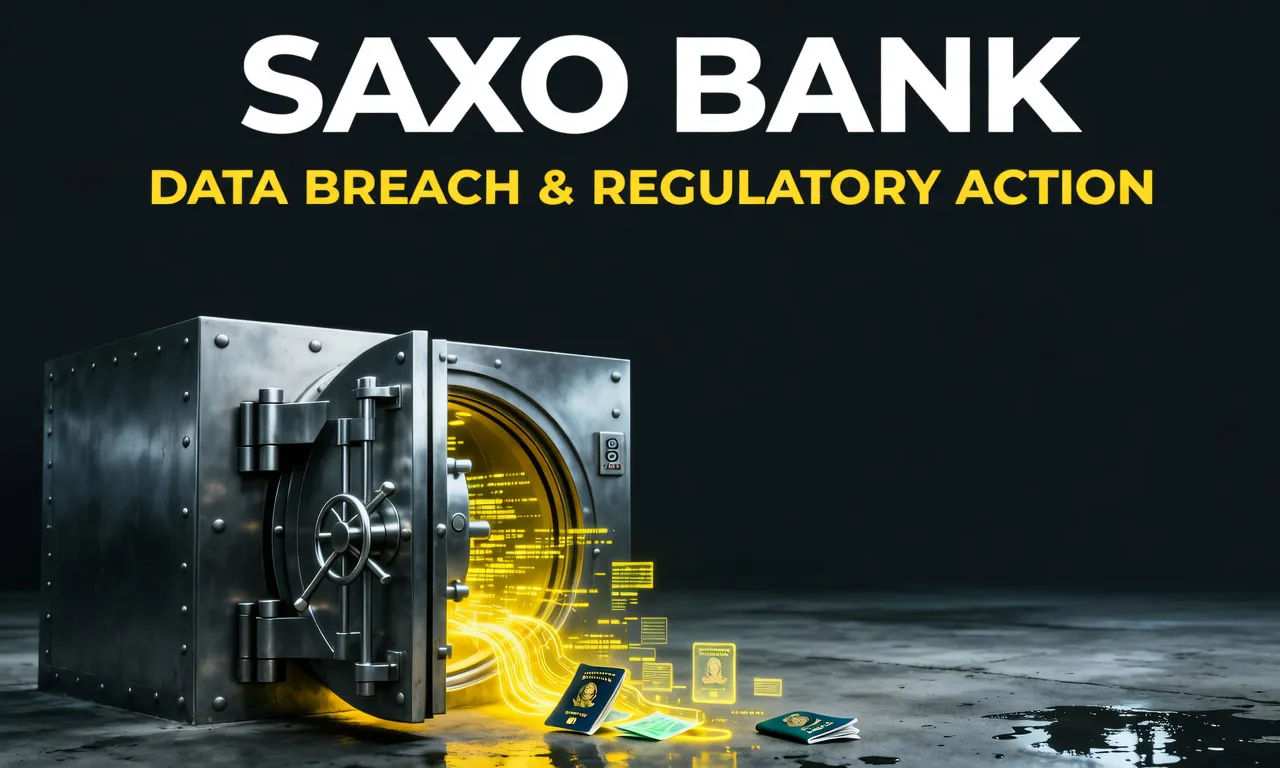
In September 2020, the Kanto Local Finance Bureau in Japan took administrative action against Saxo Bank Securities Co., Ltd.
- Incident: A third party illegally accessed an outsourced company managing Saxo client data.
- Impact: Approximately 38,026 clients had personal information exposed, including names, birth dates, and addresses. For 750 clients, sensitive ID images (driver's licenses, passports) were compromised.
- Regulatory Ruling: The regulator found insufficient measures in system risk management and contractor oversight, issuing a business improvement order.
Customer Service & Global Support
One of Saxo Bank's strongest advantages is its massive support infrastructure. The broker supports 38 languages and provides localized contact methods for 14 different regions, including:
- Europe: UK, France, Italy, Belgium, Denmark, Netherlands, Switzerland, Czech Republic.
- Asia/Pacific: Hong Kong, Taiwan, Singapore, Japan, India.
- Middle East: UAE.
Support channels are extensive, including dedicated phone lines for each region, email support (e.g., specific desks for Italian or French clients), and social media presence on platforms like X (Twitter), Facebook, and LinkedIn.
Note: According to the data, users should expect that wait times for responses might be long despite the variety of channels available.
Pros and Cons of Saxo Bank
Pros
- High Authority: Regulated by top-tier bodies like the FCA (UK), FINMA (Switzerland), and MAS (Singapore).
- Established History: Operating since 2001 with an “AA” Influence Rank.
- Global Access: Extensive language support and localized phone numbers for key markets.
- Safety Score: High WikiFX score of 8.02.
Cons
- Regulatory Fines: Past administrative actions by the FSA (Japan) regarding data security.
- Product Intervention: Temporary stop orders by ASIC (Australia) in 2023 regarding product suitability.
- License Issues: Some regional licenses (UAE, specific Australian entities) are listed as revoked or unverified in the current database.
- Limited Fund Transfer Data: The provided data only lists Wire Transfer; other modern payment methods are not specified.
Final Verdict: Can You Trust Saxo Bank?
Saxo Bank is a legitimate, heavyweight broker in the financial industry, evidenced by its high score of 8.02 and regulation by multiple Tier-1 authorities including the FCA and FINMA. It is a long-standing institution suitable for serious traders who value regulatory oversight.
However, the broker is not without faults. The 2020 data breach in Japan and the 2023 ASIC stop order in Australia serve as reminders that even large institutions face compliance and operational challenges. Traders should ensure they are onboarding with one of the currently regulated entities (such as the UK or Singapore branches) rather than those with revoked or unverified status.
To stay updated on Saxo Bank's license validity or to check for new complaints, use the WikiFX App. It provides real-time verification of broker credentials to help you trade safely.