


FCA Warning Capital Zodiac 7 September 2026 and Seven Checks Before Paying
The FCA named Capital Zodiac as an unauthorised clone on 7 September 2026. Check capitalzodiac.com, capitalzodiac.net and FRN 806702 before paying.
Original

简体中文
繁體中文
English
Pусский
日本語
ภาษาไทย
Tiếng Việt
Bahasa Indonesia
Español
हिन्दी
Filippiiniläinen
Français
Deutsch
Português
Türkçe
한국어
العربية
اردو




Abstract:Regulation is crucial while trading to protect your funds. Forex regulation exists to supervise brokers and ensure they comply with strict financial standards. Forex regulatory bodies help traders choose reputable brokers and avoid scams. In this article, we will let you know about the top Forex regulatory bodies worldwide to help protect you from any kind of fraud.
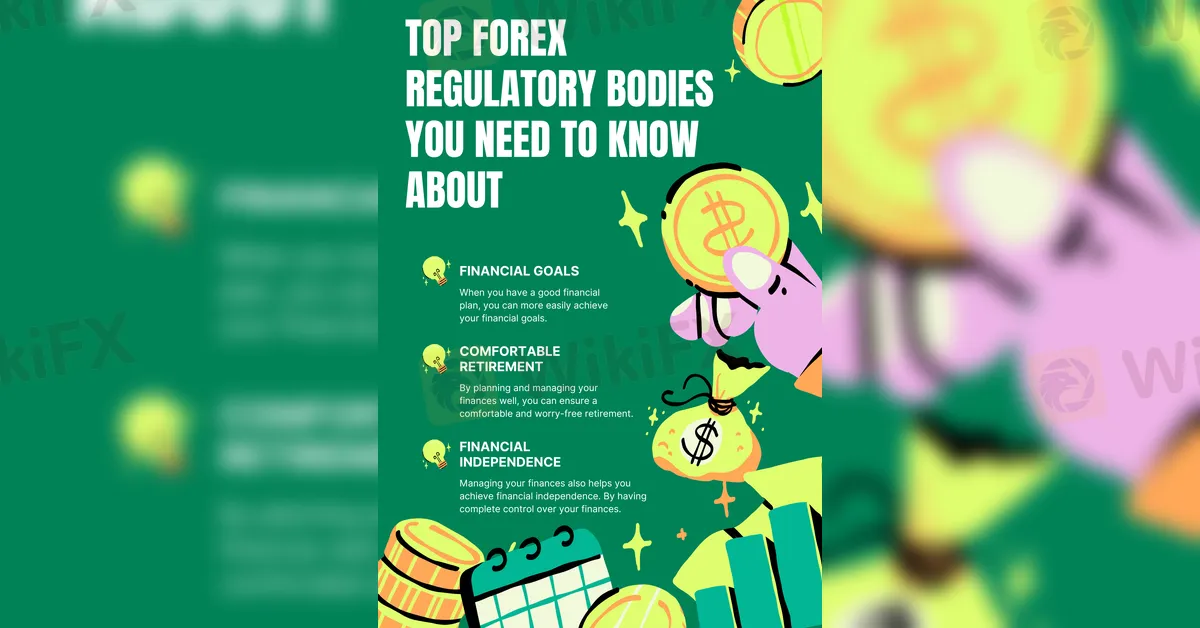
Regulation is crucial while trading to protect your funds. Forex regulation exists to supervise brokers and ensure they comply with strict financial standards. Forex regulatory bodies help traders choose reputable brokers and avoid scams. In this article, we will let you know about the top Forex regulatory bodies worldwide to help protect you from any kind of fraud.
A forex regulator typically oversees the licensing of brokers, monitors trading activities, enforces compliance, and protects investor funds. The regulatory standards vary by country, but top forex regulators are usually well-known for their strict enforcement and consumer protection policies.
Forex Marlet or Trading is regulated by government or independent financial authorities around the world. These regulators set rules to maintain transparency, prevent fraud, and ensure brokers act in the best interest of their clients.
Tier 1 regulators are the most trusted and reputable authorities in the forex industry. They enforce the highest standards and offer strong protection for traders. Here are some of the top forex regulatory bodies considered Tier 1:
• FCA (Financial Conduct Authority – UK): One of the most respected forex regulators globally. It ensures transparency, client fund segregation, and fair practices.
• ASIC (Australian Securities and Investments Commission – Australia): Known for its strict oversight and robust regulatory framework.
• NFA (National Futures Association – USA): Works under the CFTC and is responsible for regulating forex and futures markets in the United States.
• CySEC (Cyprus Securities and Exchange Commission – Cyprus): While technically in the EU, CySEC has become known for applying MiFID regulations and protecting client interests.
Brokers licensed under these Tier 1 regulators must meet stringent requirements, including capital adequacy, regular audits, and operational transparency.
Tier 2 regulators are reputable but may have slightly less stringent requirements than Tier 1 bodies. However, they still provide a fair level of protection for traders and are widely accepted in the industry. Some examples include:
• FSCA (Financial Sector Conduct Authority – South Africa)
• FSC (Financial Services Commission – Mauritius)
• FSA (Financial Services Authority – Seychelles)
While these regulators are legitimate, traders should always do extra due diligence when dealing with brokers only regulated by Tier 2 authorities.
In the world of finance and online trading, offshore regulation is a term that comes up frequently especially when dealing with international brokers.
Offshore Regulation Meaning
So, what exactly does offshore regulation mean? In simple terms, it refers to the regulatory oversight provided by financial authorities located outside the major financial hubs such as the U.S., UK, or EU countries. These offshore jurisdictions often have their own financial regulatory bodies that issue licenses and oversee companies operating within their regions.
Common offshore regulators include:
• FSA (Seychelles)
• FSC (Mauritius)
• VFSC (Vanuatu)
• IFSC (Belize)
Conclusion
In the complex world of forex, regulation is your first line of defense. By choosing brokers regulated by the top forex regulators, you greatly reduce your risk and increase the chances of a secure trading experience. Understanding who regulates forex trading is essential for every trader, whether beginner or experienced.
Disclaimer:
The views in this article only represent the author's personal views, and do not constitute investment advice on this platform. This platform does not guarantee the accuracy, completeness and timeliness of the information in the article, and will not be liable for any loss caused by the use of or reliance on the information in the article.
The FCA named Capital Zodiac as an unauthorised clone on 7 September 2026. Check capitalzodiac.com, capitalzodiac.net and FRN 806702 before paying.
This WEALTH-FX review starts with a licensing statement that needs verification. The client agreement on wealth-fx.com says the company is incorporated in St. Vincent and the Grenadines as 88102 LLC 2021 and is authorised and regulated by the SVG FSA. An official SVG FSA notice, however, says forex trading brokerage activities are not licensed in that jurisdiction. The same agreement separately names WealthFX Liquidity Limited, company 180782, and describes a Mauritius International License. For an India-based reader, those website claims do not replace RBI rules for permitted forex transactions or an independently confirmed licence record.
Did ePlanet, a Comoros-based brokerage, allegedly withhold your dollars on the platform? Did the broker prevent you from accessing the ePlanet login dashboard upon a withdrawal request? Did the broker platform execute trade orders slowly? Have you faced losses due to slippage? This ePlanet review 2026 evaluates user claims while also providing a regulatory overview of the broker.
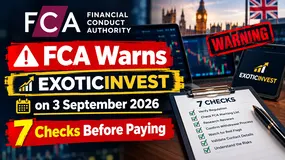
FCA warns EXOTICINVEST in a notice first published and updated on 3 September 2026. The UK regulator identifies EXOTICINVEST TRADING AND INVESTMENT FIRM and the website www.exoticinvest.ltd, stating that the firm is not authorised and may be targeting people in the UK. This is a dated regulatory warning, not a customer review or a confirmed loss report. Anyone approached through the named website should stop before paying, avoid sharing login credentials and verify the exact business independently through the FCA Firm Checker.
WikiFXWikiFXWikiFXWikiFXWikiFXWikiFXWikiFXWikiFXWikiFXWikiFX