Abstract:A forex option is a financial contract granting the buyer the right, but not the obligation, to buy (Call option) or sell (Put option) a specific amount of one currency against another currency (a currency pair) at a predetermined exchange rate, on or before a specified future date.
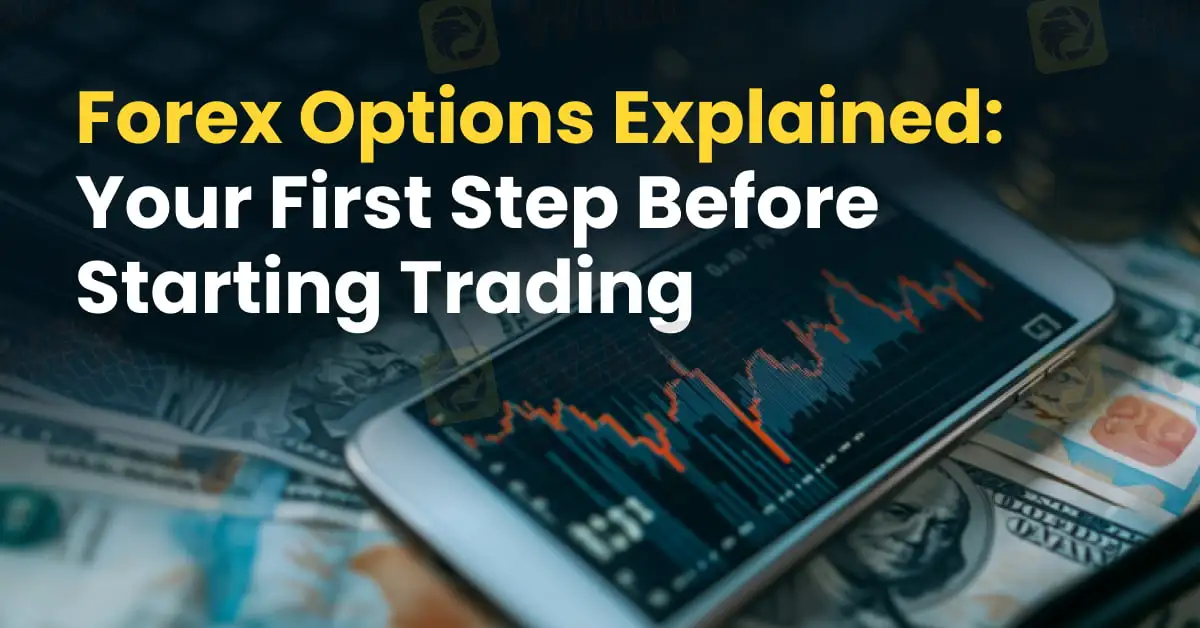
A forex option is a financial contract granting the buyer the right, but not the obligation, to buy (Call option) or sell (Put option) a specific amount of one currency against another currency (a currency pair) at a predetermined exchange rate, on or before a specified future date.
About Forex Options
A forex option is a financial contract granting the buyer the right, but not the obligation, to buy or sell a specific amount of one currency against another currency (a currency pair) at a predetermined exchange rate, on or before a specified future date.
There are several reasons why traders like to use foreign exchange options trading. Their downside risk is limited, and they may only lose the premium paid when purchasing the option, but their upside potential is unlimited.
Foreign exchange options are traded over the counter, allowing traders to choose prices and expiration dates that suit their hedging or profit-making strategies. Futures traders must fulfill the terms of the contract, but options traders do not have this obligation when the contract expires.
Some traders will use foreign exchange options trading to hedge their open positions that they may hold in the foreign exchange spot market (also known as the physical and spot markets). The spot market conducts immediate settlement of transactions involving commodities and securities. Traders also enjoy foreign exchange options trading because they have the opportunity to predict market trends based on economic, political or other news and make profits from it.
Key Components of a Forex Option
- Underlying Currency Pair: The specific pair being traded (e.g., EUR/USD, USD/JPY, GBP/USD).
- Option Type: Call (Right to BUY the base currency / SELL the quote currency) or Put (Right to SELL the base currency / BUY the quote currency).
- Strike Price: The agreed-upon exchange rate at which the transaction can occur if exercised.
- Expiration Date: The last day the option can be exercised. There are various expiries (daily, weekly, monthly).
- Premium: The price paid by the buyer to the seller for the option contract. This is the maximum loss for the buyer and the maximum gain for the seller (if the option expires worthless).
- Contract Size: The standard amount of the base currency the contract represents.
Why Do Traders Use Forex Options?
Options offer unique advantages not found in spot Forex:
- Defined Risk (for Buyers): The maximum a buyer can lose is the premium paid. This is a massive advantage when exploring volatile markets.
- Leverage with Limited Risk: A relatively small premium can control a large notional amount of currency.
- Opportunity Cost Control: Allows participation in potentially large moves without tying up the full capital required for a spot position.
Conclusion
Understanding how options work is important before you consider trading them. Forex options provide unparalleled flexibility for hedging and speculation, offering defined risk for buyers and premium income potential for sellers. They unlock strategies impossible in the spot market.