Abstract:Forex trading, like any form of investment, comes with a significant level of risk. Many traders are attracted to the allure of high returns; however, the volatile nature of currency markets means that losses can occur just as quickly as gains. Understanding the aftermath of a loss, as well as the steps you can take, is essential for every trader.
Forex trading, like any form of investment, comes with a significant level of risk. Many traders are attracted to the allure of high returns; however, the volatile nature of currency markets means that losses can occur just as quickly as gains. Understanding the aftermath of a loss, as well as the steps you can take, is essential for every trader.
 Contents
The Impact of Losses
Financial Implications
Losing money in forex trading can have immediate financial consequences. Depending on the size of your position and the leverage used, losses can be substantial—sometimes exceeding the original investment. This financial setback can affect your overall portfolio and may lead to a temporary or permanent setback in your trading activities.
Emotional and Psychological Effects
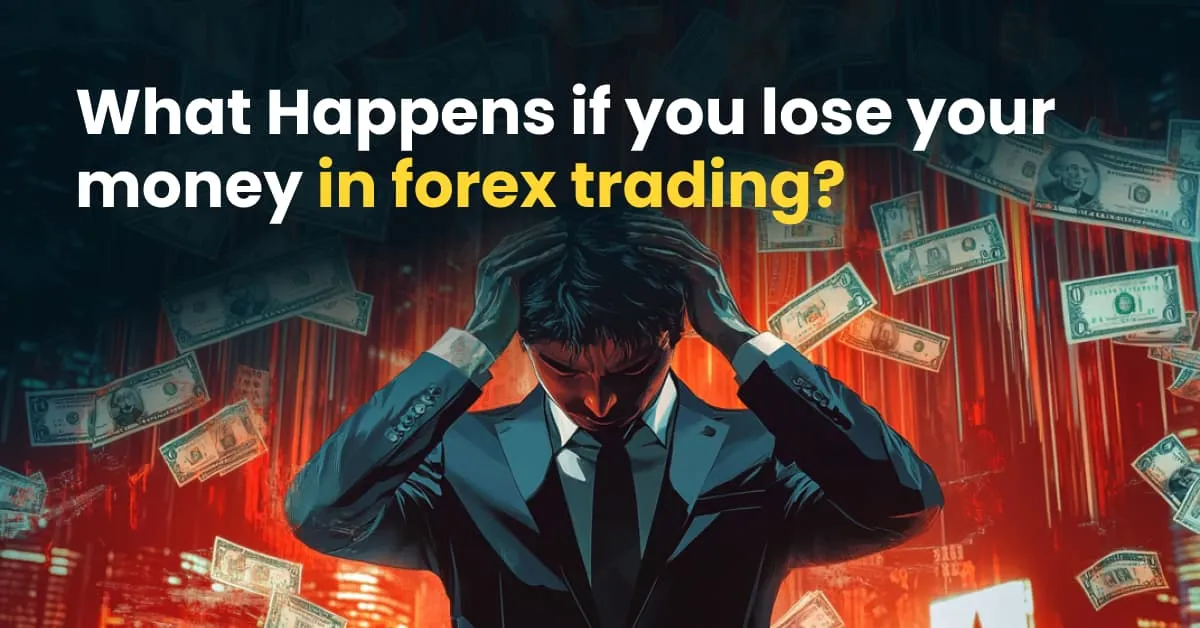
Beyond the financial impact, experiencing a loss can be emotionally taxing. Traders often report feelings of frustration, self-doubt, and anxiety after significant losses. Such emotional stress may cloud decision-making, potentially leading to further risky moves if not managed properly.
Trust and Confidence in the Market
A significant loss can shake your confidence in your trading strategy and even in the market itself. Its important to remember that losses are part of the learning process, but they also signal a need to re-evaluate your approach and risk management practices.
Steps to Take After a Loss
1. Analyze and Learn
- Review Your Strategy: Take time to analyze your trades and identify what went wrong. Was it due to market volatility, poor timing, or perhaps a flaw in your strategy?
- Adjust Risk Management: Implement stricter risk management techniques such as setting stop-loss orders or reducing leverage. This can help protect you in future trades.
- Educate Yourself: Consider investing time in further education on trading strategies and market analysis. Webinars, courses, and mentorships can provide valuable insights.
2. Seek Professional Guidance
- Financial Advisors: Consulting with a financial advisor or a trading mentor can provide an objective review of your approach and help rebuild confidence.
- Emotional Support: Sometimes the psychological burden of trading losses warrants professional help. Speaking with a mental health professional can help manage stress and anxiety.
3. Report and Expose Scam Brokers
Unfortunately, the forex market is not immune to scams. Many traders lose money not just from market fluctuations but due to unethical practices by scam brokers. If you suspect fraudulent activity, its important to take action:
- Report to Regulatory Authorities: Contact the appropriate financial regulatory bodies in your country to report any irregularities or suspicious behavior by your broker.
- Use Community Resources like WikiFX: WikiFX is a platform dedicated to exposing fraudulent brokers and providing transparency in the forex market. By reporting scam brokers to WikiFX, you not only contribute to the safety of the trading community but also help others avoid similar pitfalls. WikiFX is committed to helping traders by revealing the true nature of questionable brokers.
4. Rebuild Your Trading Practice
- Reassess Your Goals: After a loss, its beneficial to reframe your trading objectives. Focus on sustainable, long-term growth rather than quick profits.
- Start Small: When re-entering the market, consider trading smaller amounts. This allows you to rebuild confidence and test new strategies without risking substantial capital.
- Keep a Trading Journal: Document your trades, emotions, and decisions. Over time, this journal can provide valuable insights into your trading behavior and help refine your strategy.
Conclusion
Losing money in forex trading can be a harsh but instructive experience. While the financial and emotional impacts are undeniable, they also provide an opportunity to re-evaluate your strategies and improve your risk management. The key is to learn from the experience, seek professional guidance when needed, and take proactive measures to avoid similar issues in the future.
If you believe you have encountered unethical practices or have been a victim of a scam, remember that you are not alone. Reporting such incidents to regulatory bodies and platforms like WikiFX is essential for exposing fraudulent brokers and safeguarding the interests of the trading community. WikiFX stands ready to help you, offering a platform to reveal scam brokers to the public, thereby contributing to a safer and more transparent forex trading environment.