Abstract:Last Friday, oil prices closed slightly lower but increased for the fourth consecutive week, mainly due to the impact of the latest U.S. sanctions on Russian energy trade, which heightened concerns about oil supply disruptions.
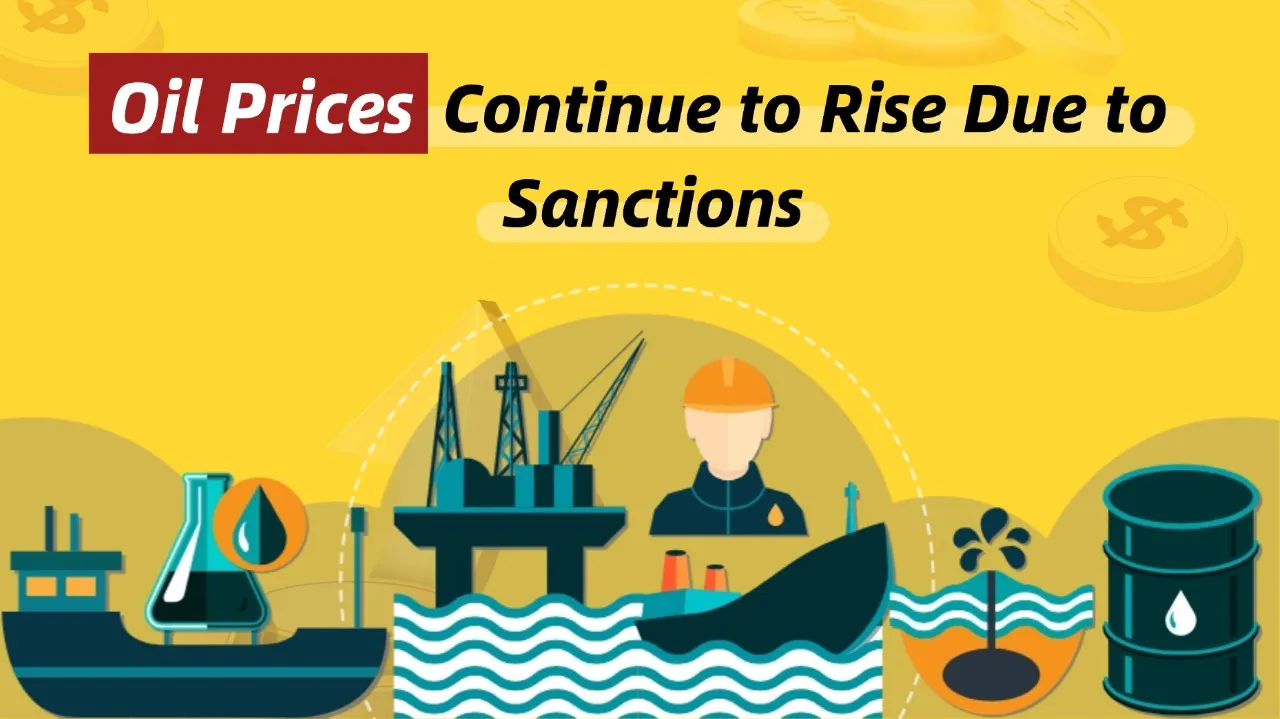
Brent crude futures dropped by 0.6%, settling at $80.79 per barrel, but rose 1.3% for the week. U.S. crude futures fell by $0.80, or 1%, to $77.88 per barrel, climbing 1.7% for the week.
Sanctions on Russia are tightening supply in countries like Europe and India. Furthermore, investors are evaluating the potential impact of U.S. President-elect Trump's return to the White House. His nominee for Secretary of the Treasury indicated plans to implement stricter sanctions on Russian oil.
Following the Gaza ceasefire agreement, expectations grew that the Houthi rebels in Yemen would halt attacks on ships in the Red Sea, which placed some pressure on oil prices.
Despite a slight pullback last Friday, oil prices remain on an upward trend due to concerns over the Russian sanctions. U.S. sanctions on Russian oil exports have intensified global oil supply tightness, driving prices higher. According to HSBC's latest report, the bank raised its 2025 Brent crude price forecast from $70 per barrel to $73, and its first-quarter forecast from $70 to $77. This adjustment mainly reflects the impact of the latest U.S. sanctions on Russia's energy market.
U.S. sanctions have nearly doubled the number of tankers on the sanction list, which has contributed to recent price increases, pushing oil above $80 per barrel. Although this effect may be short-term, Russia's oil and product exports are expected to face significant pressure.
Overall, despite the pullback in oil prices, the uncertainty surrounding global oil supply and U.S. sanctions on Russia continue to support price increases. The market is caught between OPEC+ overcapacity and persistent geopolitical risks.
HSBC expects Brent crude prices to fluctuate between $70 and $80 per barrel, slightly lower than in the past two years. OPEC+'s ample capacity is expected to limit price surges, but geopolitical risks, particularly the impact of sanctions on Russia, could still push oil prices higher. Investors need to closely monitor market dynamics and the further development of sanctions to assess future price movements.