


Vietnam Becomes New Base for Cross Border Scam Syndicates After Cambodia Crackdown
Cross border scam syndicates are constantly adapting to evade law enforcement by moving from Cambodia to Vietnam.
Original

简体中文
繁體中文
English
Pусский
日本語
ภาษาไทย
Tiếng Việt
Bahasa Indonesia
Español
हिन्दी
Filippiiniläinen
Français
Deutsch
Português
Türkçe
한국어
العربية
اردو




Abstract:31 Malaysians rescued from Myawaddy scam center returned home after joint cross-border operation
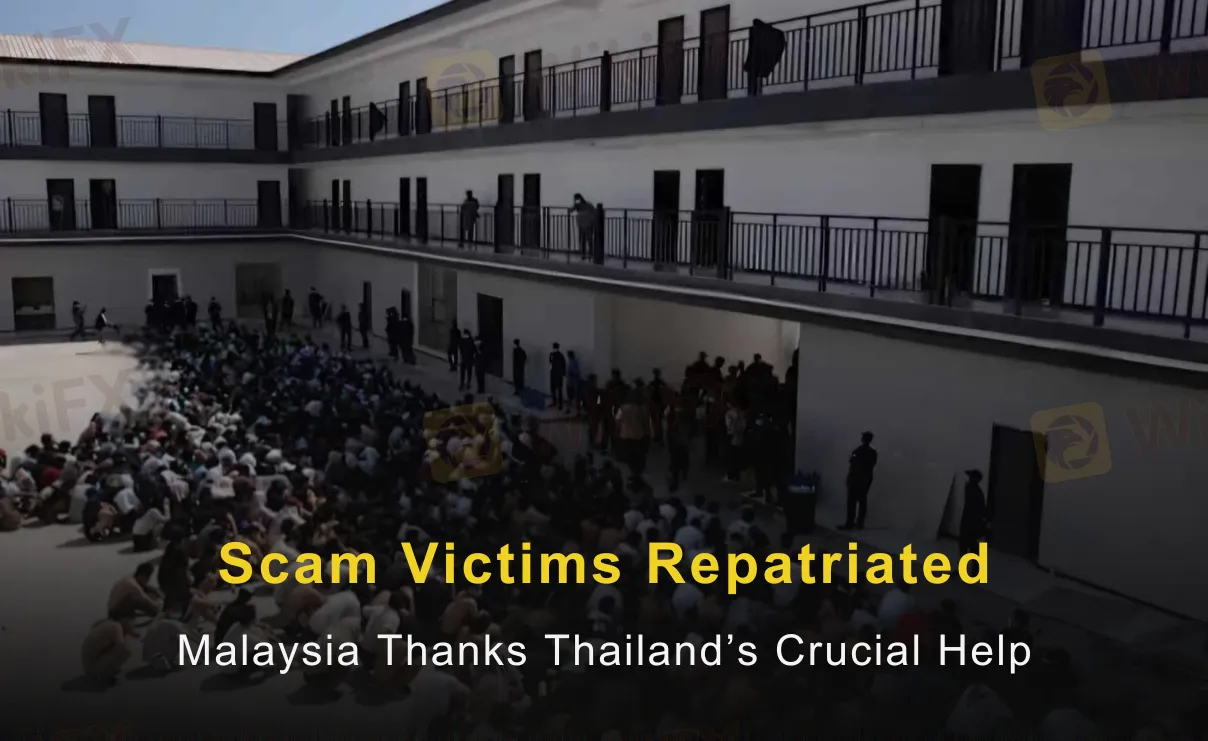
Malaysia has expressed its appreciation to Thailand for its close coordination and assistance in the successful return of 31 Malaysians who were victims of an online job scam in Myawaddy, Myanmar.
According to reports by Asian News Network and The Straits Times, the Ministry of Foreign Affairs confirmed that all 31 individuals were safely brought back to Malaysia on the evening of December 20. Upon arrival, they were handed over to the police to assist with further investigations into the scam syndicate involved.
The victims were believed to have been trafficked to scam centres operating in Myawaddy, an area that has long been linked to organised online fraud activities. Malaysian officials said embassy staff in Bangkok had earlier verified the identities of the victims during an initial repatriation process carried out in early December.
Local daily Sinar Harian reported that the release of the victims was made possible through negotiations led by the Malaysian Embassy, with strong support from Thai immigration authorities in Tak province. The group was released under Thailands national transfer mechanism on December 19, allowing them to legally cross into Thailand before continuing their journey home.
Previously, Foreign Minister Datuk Seri Mohamad Hasan had cautioned that the repatriation process could take weeks due to various challenges, including detention procedures, court processes, fines, and temporary custody related to illegal entry into Thailand. Despite these hurdles, Malaysian and Thai authorities were able to speed up the process through close cooperation.
Following their release, the Malaysian government provided full consular assistance to the victims. This included informing their families, issuing temporary travel documents, arranging transport and accommodation, supplying basic necessities, and ensuring their safety throughout the journey.
The group travelled for more than 26 hours from Mae Sot district in Tak province to Bukit Kayu Hitam via the Changlon checkpoint in Songkhla province. The operation involved coordination among multiple agencies, including the Ministry of Home Affairs, Immigration and Border Control Authority, Royal Malaysia Police, Malaysian diplomatic missions in Bangkok and Yangon, as well as the Malaysian Consulate-General in Songkhla.

Disclaimer:
The views in this article only represent the author's personal views, and do not constitute investment advice on this platform. This platform does not guarantee the accuracy, completeness and timeliness of the information in the article, and will not be liable for any loss caused by the use of or reliance on the information in the article.
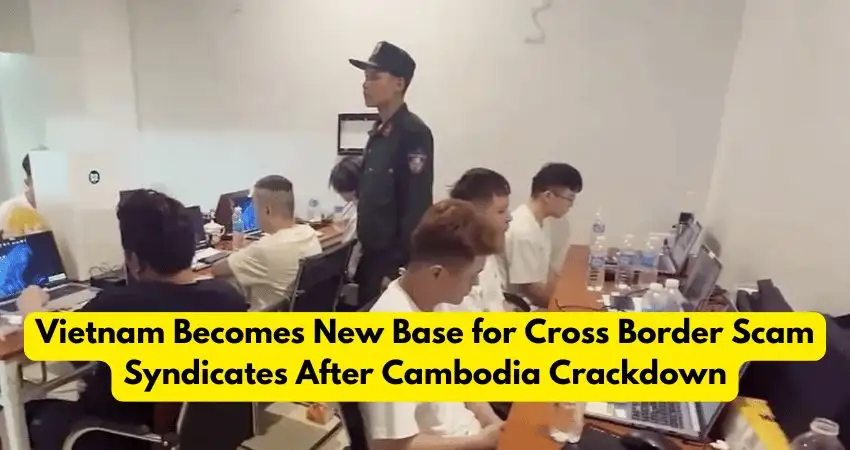
Cross border scam syndicates are constantly adapting to evade law enforcement by moving from Cambodia to Vietnam.

Singapore authorities have concluded a major anti-scam enforcement operation that resulted in 221 individuals being placed under investigation for their alleged roles in a wide range of fraudulent schemes.

Malaysia may be emerging as a new destination for transnational scam syndicates seeking to evade mounting pressure from international law enforcement agencies, according to a leading humanitarian organisation.

He Claimed Elite Connections. She Ended Up Losing Millions and Her Dream Car
WikiFXWikiFXWikiFXWikiFXWikiFXWikiFXWikiFXWikiFXWikiFXWikiFX