Abstract:Is Exness legal in India? Learn about Exness' regulatory standing, the role of SEBI and RBI in India, and the risks Indian traders face when using offshore brokers.
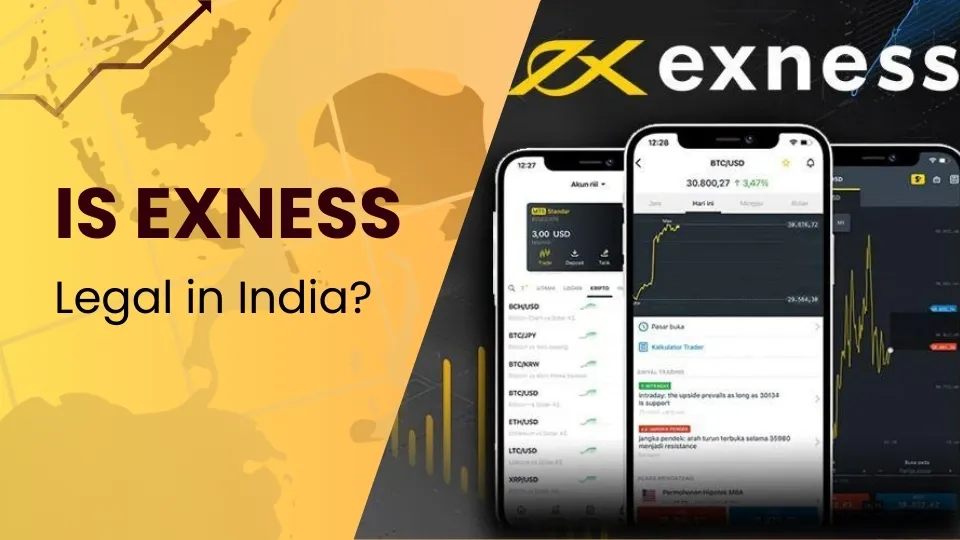
Exness, an international brokerage business, has acquired popularity among traders due to its diverse offering of financial products such as FX, equities, and commodities. However, one lingering concern is whether Exness is legal in India. Understanding Exness' legal position in India is critical for dealers who want to guarantee compliance with local rules.
 Contents
Exness and Indian Regulatory Environment
The Reserve Bank of India (RBI) and the Securities and Exchange Board of India supervise currency and other financial instrument trading in India. These regulatory agencies regulate the financial market to ensure that trading operations follow the country's laws and regulations. According to the RBI, Indian citizens are only permitted to trade currency pairings involving the Indian rupee (INR). This legislation is intended to safeguard traders from the possible hazards connected with foreign currency trading.
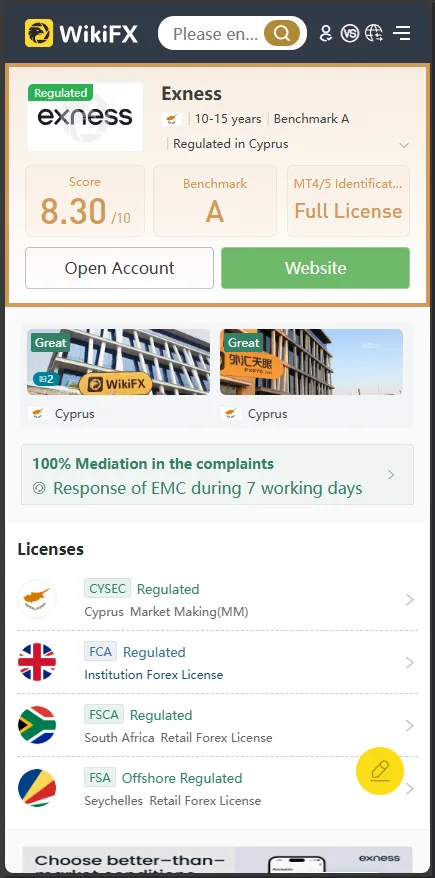
Exness operates worldwide and is governed by a number of foreign financial agencies, including the Financial Conduct Authority (FCA) in the United Kingdom and the Cyprus Securities and Exchange Commission. However, it is vital to understand that Exness is not governed by SEBI or the RBI. This calls into question its legal standing in India.
Offshore Brokers and Legality in India
Offshore brokers like Exness provide Indian traders with access to a diverse variety of financial products, including currency pairings that do not include the INR. While it is feasible for Indian traders to create accounts with offshore brokers, the legality of doing so is unclear. The Foreign Exchange Management Act (FEMA) prevents Indian citizens from trading in foreign currency pairings that are not registered on Indian exchanges, putting deals done on Exness at variance with Indian law.
Many Indian traders continue to utilize Exness and other offshore brokers, alleging a lack of transparent enforcement of the regulations that regulate such activity. However, it is essential to recognize the possible hazards, such as legal ramifications and the inability to seek relief in Indian courts in the event of a disagreement with the broker.
Trading Legally and Safely in India
To avoid legal ramifications, merchants in India must comply with local regulations. This entails concentrating on currency pairings including the INR and utilizing SEBI-regulated platforms. Exness provides various advantages, including cheap spreads and a diverse selection of trading instruments, but its legal status in India still needs to be discovered. To prevent legal difficulties, traders should carefully analyze the risks and consider selecting platforms that adhere to Indian rules.
Conclusion
While Exness is a respected worldwide brokerage business recognized by foreign agencies, its legality in India is still being determined owing to a lack of regulation by SEBI and the RBI. To prevent possible hazards, Indian traders who want to trade forex or other financial instruments should analyze the legal implications of utilizing offshore brokers such as Exness and ensure compliance with local legislation.
For more details about Exness, you may access their page on WikiFX.