Abstract:FTX agrees to pay $14 million to settle claims over Robinhood shares with Emergent Fidelity Technologies as part of its reorganization plan.
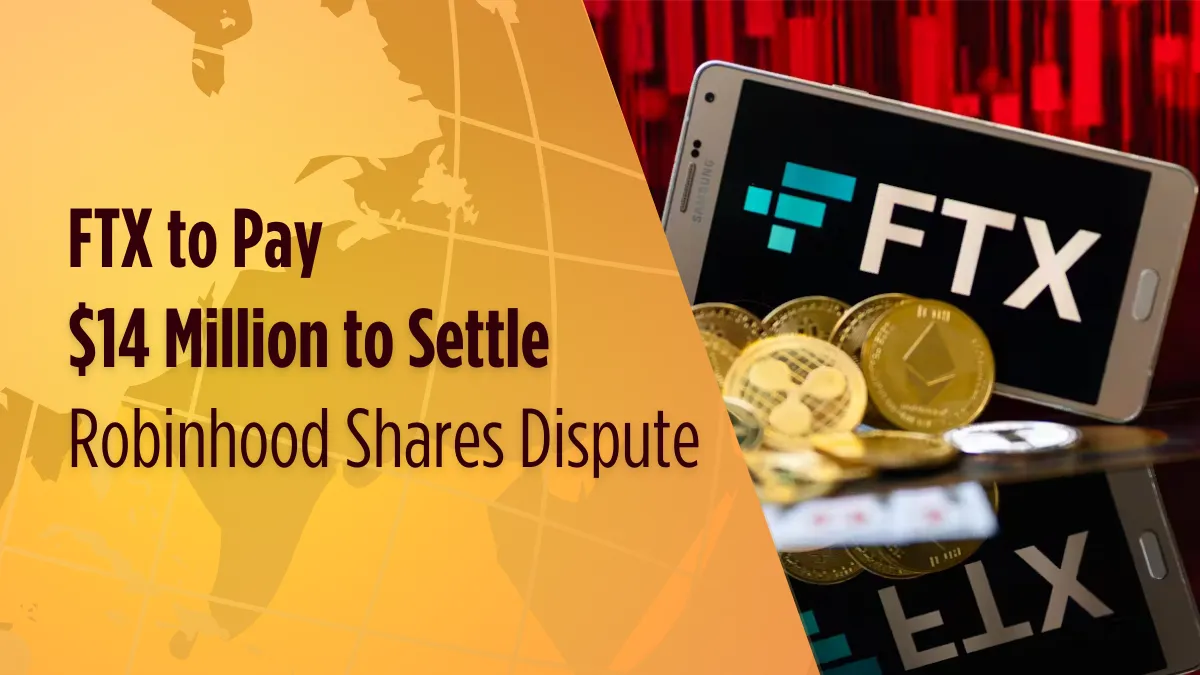
Bankrupt cryptocurrency exchange FTX has reached a significant agreement to settle a dispute involving over $600 million worth of Robinhood shares. The company has filed a motion to pay $14 million to Emergent Fidelity Technologies, an investment firm based in Antigua and co-founded by former FTX CEO Sam Bankman-Fried. This settlement aims to resolve claims related to the ownership of 55 million Robinhood shares, which have been a focal point of legal battles following FTXs collapse.
 Contents
 FTX Robinhood Settlement: A Step Toward Resolution
The motion was submitted by FTX‘s current CEO, John Ray III, who is leading the company’s efforts to reorganize and maximize creditor repayments. Ray‘s motion highlights that the $14 million payment is intended to cover Emergent’s administrative expenses. By doing so, FTX hopes to avoid the protracted costs and delays that would come with litigation over the disputed Robinhood shares and associated cash. The settlement also seeks to conclude Emergents Chapter 11 bankruptcy case in Antigua, further simplifying the legal complexities surrounding the Robinhood shares.
Emergent Fidelity Technologies and the Bankruptcy Case
Emergent Fidelity Technologies, co-founded by Bankman-Fried, acquired the Robinhood shares in May 2022. However, the situation became increasingly complicated after FTX and its affiliated trading firm, Alameda Research, collapsed in November 2022. The collapse led multiple parties, including FTX, Bankman-Fried, and BlockFi, to claim ownership of the Robinhood shares. The U.S. Department of Justice eventually seized the assets and later liquidated them, with Robinhood repurchasing the shares for approximately $606 million.
In his filing, Ray emphasized the importance of the settlement in ensuring that the FTX Debtors gain control over the proceeds and seized cash currently held by the U.S. Department of Justice. He noted that Emergent and the Joint Liquidators had agreed to assign all their rights concerning these assets to FTX, marking a crucial step in the reorganization process.
FTX Bankruptcy Settlement: Moving Forward
This settlement is part of FTXs broader strategy to manage its complex bankruptcy case and provide the maximum repayment value for its creditors. A court hearing on the motion is scheduled for October 22, where the final approval of the settlement will be determined.
This development follows a broader settlement last month in which a U.S. judge approved a $12.7 billion agreement between FTX, Alameda, and the Commodity Futures Trading Commission (CFTC). This agreement stipulated that the CFTC would receive no funds if FTX adhered to its reorganization plan.
The Sam Bankman-Fried Case: Legal Consequences
The fallout from FTX‘s collapse has been far-reaching, with Bankman-Fried facing multiple legal challenges. In November 2023, he was convicted on several charges, including wire fraud and conspiracy, and sentenced to nearly 25 years in prison. Additionally, he faces further fraud charges from the U.S. Securities and Exchange Commission (SEC), ensuring that the legal ramifications of FTX’s downfall will continue to unfold.
Stay informed on the latest developments in the FTX Robinhood settlement and other cryptocurrency news. Visit the news.html" target="_self" style="color: rgb(46, 82, 153);">WikiFX news page now to get comprehensive updates on this evolving story and more!