Abstract:In a bold move to stabilize the Naira, the Central Bank of Nigeria has forbidden banks from using foreign exchange as collateral for local loans, introducing severe penalties for non-compliance.

For Naira stability, the Central Bank of Nigeria prohibits Nigerian banks from taking foreign currency as collateral for local currency loans. This mandate went to all Nigerian banks. This directive was issued to all Nigerian banks. The letter dated April 8 from the CBN provides further information regarding this action, emphasizing the bank's heightened endeavors to tackle the persistent currency devaluation and shortages of foreign currencies.
The Naira's value on the international stage has been substantially impacted by Nigeria's dwindling supply of U.S. dollars for several months. To suspend the depreciation of the Naira against major currencies such as the U.S. dollar and revive the official foreign currency market, the Central Bank has implemented its most recent measure.
To manage the currency crisis, the CBN had previously implemented several policies, such as new regulations governing the repatriation of funds by international energy companies and restrictions on cash transactions for personal and business travel allowances. To increase transparency and decrease the demand for physical foreign currency, the primary objective of these measures is to promote the utilization of formal banking channels and digital transactions.
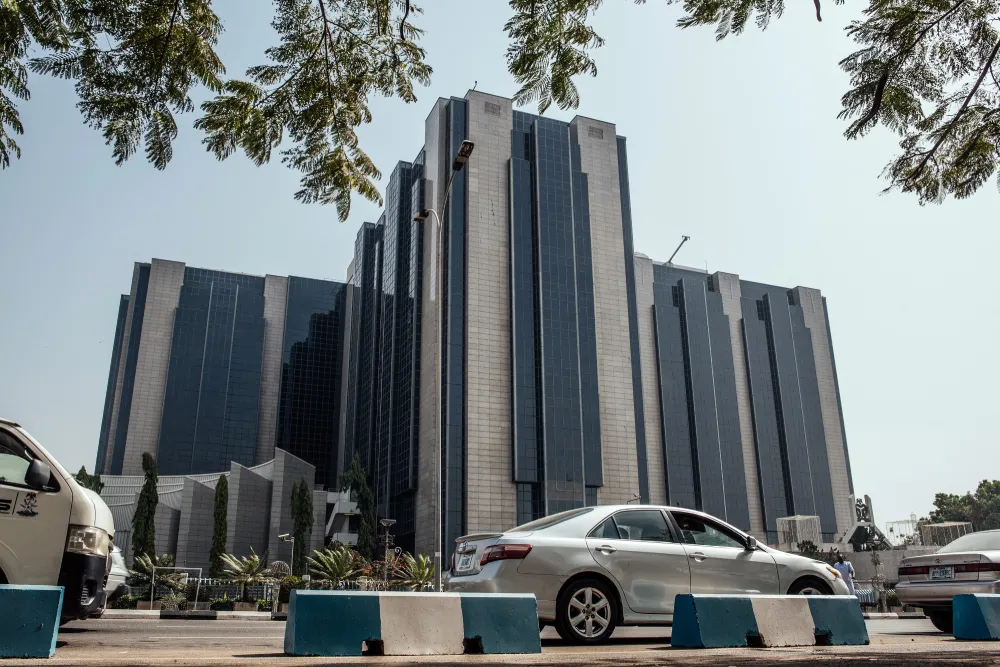
The stern warning that non-compliant institutions will face “severe consequences” accompanies the prohibition on using foreign exchange as loan collateral. Loans currently held by banks in exchange for collateral denominated in dollars are subject to resolution within 90 days. Neglecting to do so will lead to adverse regulatory consequences, including a risk weighting of 150% for Capital Adequacy Ratio computations on said exposures. Discouraging the preference for foreign currency holdings signifies a substantial tightening of financial regulation to bolster the Naira's stability.
The CBN established a novel protocol for the sale of U.S. dollars to Bureau de Change operators as part of an additional initiative to stabilize the exchange rate. The operators are authorized to resell the currency at a maximum 1.5% premium on the $10,000 sold to them by the CBN at a rate of 1 USD to 1,101 NGN under this program. The primary objective of this initiative is to regulate speculative activities that may impair the value of the Naira and moderate the official exchange rate, which is currently 1 USD to 1,251 NGN.
Nigeria has substantially altered its strategy for addressing its currency challenges with the implementation of these measures. The CBN seeks to restore trust in the native currency and maintain economic stability by taking immediate steps to address the issues that have led to the Naira's devaluation, as well as enforcing severe controls on foreign currency transactions. The effect of these measures on the economy, particularly in terms of increasing liquidity and stabilizing the Naira's value in the foreign currency market, will be keenly studied by players both inside and outside Nigeria's banking industry.
The CBN's assertive stance indicates that the financial system of Nigeria is currently at a critical crossroads that necessitates both creative and strict policy interventions to achieve a harmonious coexistence of currency stability and economic expansion. The efficacy of these measures in promoting economic resilience and supporting the Naira will be a topic of significant scrutiny and evaluation as the global economic environment continues to develop.