Abstract:The Nigerian government's potential $10 billion fine against cryptocurrency giant Binance has sent shockwaves through the digital asset market, raising concerns about the future of crypto in the nation.
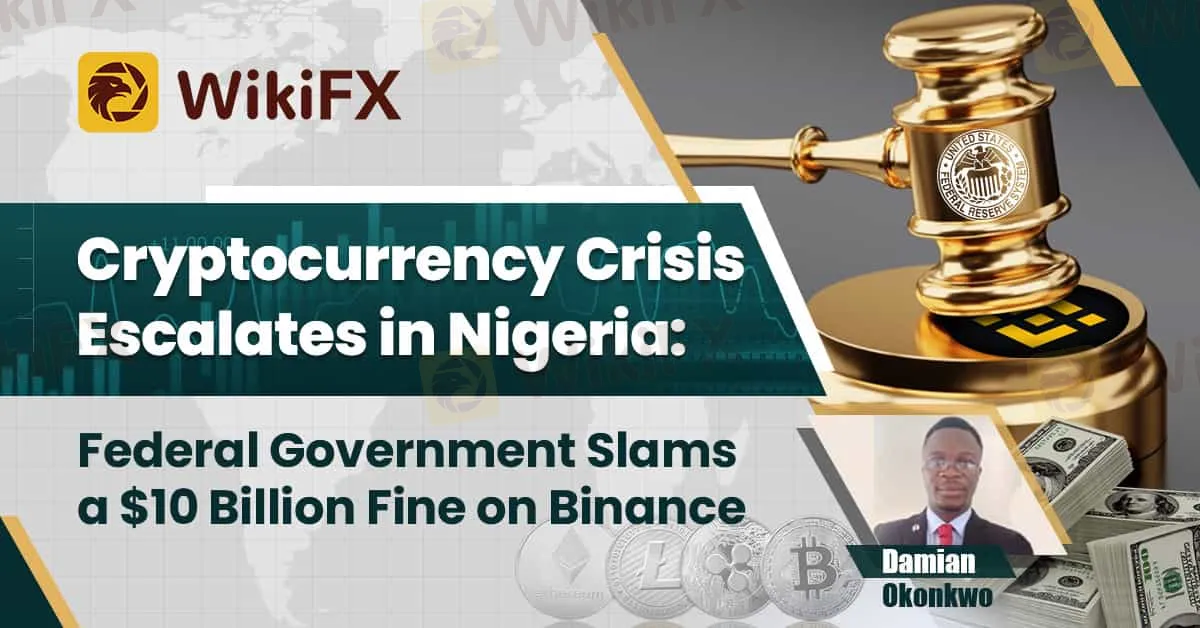
By: Damian Okonkwo

The federal government recently imposed a hefty $10 billion fine on Binance, the world's largest crypto exchange, accusing it of contributing to the nation's foreign exchange (forex) crisis by manipulating the exchange rate and supporting illegal transfer of funds on the platform.
Speaking on this development, A spokesperson for President Bola Tinubu stated that Binance profited from “illegal transactions” within the country, harming Nigeria financially. Additionally, the government alleges that Binance's platform allowed users to set their own exchange rates for the Naira, which they consider illegal and disruptive to the currency's stability.
The Central Bank of Nigeria (CBN) further expressed concerns about “suspicious flows” of funds through Binance, potentially linked to money laundering or other illegal activities. This move aligns with the government's broader efforts to tighten regulations around cryptocurrency, recently blocking access to several platforms and detaining two Binance officials.
Notwithstanding, the situation remains fluid. The exact amount of the potential fine is still disputed, with Binance denying any plans to pay and a presidential advisor clarifying that the initial statement only mentioned a possibility, not a confirmed penalty. At present, investigations into the allegations are ongoing.
Here's a breakdown of the reported reasons behind the potential fine:
● Alleged illegal activity: The Nigerian government accuses Binance of profiting from “illegal transactions” in the country, harming the nation financially.
● Impact on Naira: The government claims Binance's platform allowed users to set exchange rates for the Naira, which they consider illegal and harmful to the local currency's stability.
● Concerns about money laundering: The Central Bank of Nigeria (CBN) expressed worries about “suspicious flows” of funds through Binance, potentially linked to money laundering or other illegal activities.
● Crackdown on crypto: The Nigerian government is generally tightening its grip on cryptocurrency activities, including blocking access to several crypto platforms and detaining two Binance officials.
Notwithstanding, it is still crucial to note that:
● The fine amount is disputed: Binance claims there is no plan to pay the fine, and a presidential aide clarified he only mentioned a possible fine, not a confirmed one.
● Investigations are ongoing: The full extent of the accusations and any concrete evidence remain under investigation.
Conclusion
The Nigerian government's potential $10 billion fine against cryptocurrency giant Binance has sent shockwaves through the digital asset market, raising concerns about the future of crypto in the nation. The move, still shrouded in some uncertainty, stems from a complex interplay of factors.
The exact nature of the alleged “illegal activities” and the extent of evidence remain under investigation. As the situation unfolds, international observers are closely monitoring the developments, with potential implications for the broader cryptocurrency landscape in Africa and beyond.