


India Q1 FY27 GDP Growth Hits 7.8%: 3 Scenarios for INR and Gold
India's Q1 FY27 GDP grew 7.8%, beating a 7.4% poll and RBI's 7.0% projection. See three conditional scenarios for INR, rates and gold.
Original

简体中文
繁體中文
English
Pусский
日本語
ภาษาไทย
Tiếng Việt
Bahasa Indonesia
Español
हिन्दी
Filippiiniläinen
Français
Deutsch
Português
Türkçe
한국어
العربية
اردو




Abstract:Forex trading has become increasingly popular in South Africa in recent years, with many individuals looking to invest in global currencies and potentially make significant profits. However, with this rise in popularity comes a need for clarity on what traders are really being charged for forex in South Africa.
Forex trading has become increasingly popular in South Africa in recent years, with many individuals looking to invest in global currencies and potentially make significant profits. However, with this rise in popularity comes a need for clarity on what traders are really being charged for forex in South Africa.
The first thing to understand is that there are several costs involved in forex trading, and these can vary depending on the broker you choose and the type of account you open. The most common fees charged by forex brokers in South Africa include spreads, commissions, swap fees, and account maintenance fees.
The spread is the difference between the buy and sell prices of a currency pair, and this is where most brokers make their money. Generally, the tighter the spread, the better for the trader. Commissions are another common fee, and some brokers charge a fixed commission per trade or a percentage of the trade's value.
Swap fees, also known as rollover fees, are charged when a trader holds a position open overnight, and this fee is based on the interest rate differential between the two currencies being traded. Account maintenance fees are another cost to consider, and some brokers charge a monthly fee to keep your account active.
When selecting a forex broker in South Africa, it's important to look at all of these costs and compare them across different brokers to find the best value for your trading needs. It's also worth noting that some brokers may offer additional services, such as educational resources and trading tools, which can add value and potentially justify higher fees.
One resource that can help traders in South Africa find reliable and reputable forex brokers is WikiFX. WikiFX is a platform that provides information and ratings on forex brokers, including their regulatory status, trading conditions, and customer feedback. This can be a valuable tool for traders looking to make informed decisions about where to invest their money.
In conclusion, forex trading in South Africa can be a profitable venture, but it's important to understand the costs involved and compare them across different brokers. By doing your research and using resources like WikiFX, you can find a reliable and cost-effective forex broker that meets your trading needs.

Disclaimer:
The views in this article only represent the author's personal views, and do not constitute investment advice on this platform. This platform does not guarantee the accuracy, completeness and timeliness of the information in the article, and will not be liable for any loss caused by the use of or reliance on the information in the article.
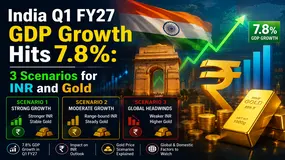
India's Q1 FY27 GDP grew 7.8%, beating a 7.4% poll and RBI's 7.0% projection. See three conditional scenarios for INR, rates and gold.
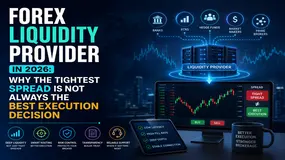
Choosing a forex liquidity provider is not a search for the lowest displayed spread or the longest provider list. It is a broker decision about pricing integrity, depth, routing, credit, reporting, incident response, and client communication. This 2026 guide explains how a forex LP, FX liquidity provider, or liquidity provider forex arrangement fits into a broker’s execution chain; what to test before onboarding; why a “best forex liquidity provider” claim cannot replace due diligence; and how to compare cost beyond commission. Use the execution-quality scorecard, provider questions, routing scenarios, and 90-day onboarding plan to assess whether a liquidity relationship can support your actual client mix, instruments, risk model, and jurisdiction. The goal is not to make a universal ranking. It is to build evidence that your broker can explain, supervise, reconcile, and recover its execution service when market conditions are difficult.
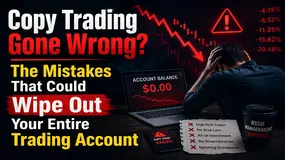
We all love trading geniuses and their strategies that earn them profits season after season. And we also love following them to make our investment journey seamless. Copy trading is one such tactic that beginners employ to enter the forex market. What do most of them usually do? They pick an experienced investor from the list and let the platform replicate every trade automatically. The fact that experienced traders continually earn profits, the feeling of copying their trades remains intense. However, the uncertain forex landscape can bite you hard by simply copying trades and not focusing on technical analysis and the charts during the day. Beginners can have a set of preconceived notions that can potentially open the gate for losses. In this article, we have highlighted such mistakes traders should avoid.

As the global forex market continues to move toward regulatory convergence and greater transparency, “trust,” a concept long and frequently emphasized, is gradually evolving from a subjective perception into a quantifiable and verifiable industry standard. WikiFX announces that its industry initiative, “Let Trust Be Seen,” has achieved phased results, attracting broad attention and participation worldwide.
WikiFXWikiFXWikiFXWikiFXWikiFXWikiFXWikiFXWikiFXWikiFXWikiFX