


India Q1 FY27 GDP Growth Hits 7.8%: 3 Scenarios for INR and Gold
India's Q1 FY27 GDP grew 7.8%, beating a 7.4% poll and RBI's 7.0% projection. See three conditional scenarios for INR, rates and gold.
Original

简体中文
繁體中文
English
Pусский
日本語
ภาษาไทย
Tiếng Việt
Bahasa Indonesia
Español
हिन्दी
Filippiiniläinen
Français
Deutsch
Português
Türkçe
한국어
العربية
اردو




Abstract:Forex trading is an exciting and potentially lucrative venture, but it's also one that requires significant knowledge, discipline, and commitment. Whether you're a seasoned investor or a beginner looking to dive into the world of forex trading in South Africa, here are ten steps you should follow to increase your chances of success.
Forex trading is an exciting and potentially lucrative venture, but it's also one that requires significant knowledge, discipline, and commitment. Whether you're a seasoned investor or a beginner looking to dive into the world of forex trading in South Africa, here are ten steps you should follow to increase your chances of success.
Educate Yourself
Forex trading is complex, and there's a lot to learn. Start by reading articles, books, and watching videos on the basics of forex trading. Learn about market trends, technical analysis, fundamental analysis, and risk management.
Choose a Trading Style
Before you start trading, you need to choose a trading style that suits your personality and lifestyle. The main trading styles include day trading, swing trading, and position trading.
Develop a Trading Plan
Your trading plan should include your goals, strategies, risk tolerance, and money management. It should also include rules for entering and exiting trades and how you will evaluate the market.
Choose a Broker
Your broker is your partner in trading, so choose wisely. Look for a broker who is regulated by a reputable financial authority in South Africa. Make sure they offer competitive spreads, reliable trading platforms, and excellent customer service.
Open a Demo Account
Most brokers offer demo accounts where you can practice trading without risking real money. Use this opportunity to test your trading plan and strategies.
Start Small
Start with a small amount of capital and gradually increase your trading capital as you gain more experience and confidence.
Keep a Trading Journal
Keep a record of all your trades, including the reasons for entering and exiting the trade, the outcome, and the lessons learned. This will help you track your progress and identify areas for improvement.
Manage Your Risk
Forex trading involves risk, so you need to manage your risk carefully. Use stop-loss orders to limit your losses, and don't risk more than you can afford to lose.
Stay Disciplined
Stick to your trading plan and don't let your emotions guide your trading decisions. Stay disciplined and don't chase losses or take unnecessary risks.
Beware of Broker Scams
Unfortunately, there are scam brokers out there who are looking to take advantage of unsuspecting traders. Be aware of red flags such as promises of guaranteed profits, high-pressure sales tactics, and unregulated brokers.
If you're not sure about a broker, you can check their legitimacy on WikiFX. WikiFX is a leading forex broker inquiry platform that provides comprehensive information on brokers, including their regulatory status, trading products, customer reviews, and more.
In conclusion, becoming a forex trader in South Africa requires patience, discipline, and commitment. Educate yourself, choose a trading style, develop a trading plan, choose a reputable broker, start small, manage your risk, stay disciplined, and beware of broker scams. By following these ten steps, you can increase your chances of success in the exciting world of forex trading. And if you need help with broker research, be sure to check out WikiFX.

Disclaimer:
The views in this article only represent the author's personal views, and do not constitute investment advice on this platform. This platform does not guarantee the accuracy, completeness and timeliness of the information in the article, and will not be liable for any loss caused by the use of or reliance on the information in the article.

India's Q1 FY27 GDP grew 7.8%, beating a 7.4% poll and RBI's 7.0% projection. See three conditional scenarios for INR, rates and gold.

Choosing a forex liquidity provider is not a search for the lowest displayed spread or the longest provider list. It is a broker decision about pricing integrity, depth, routing, credit, reporting, incident response, and client communication. This 2026 guide explains how a forex LP, FX liquidity provider, or liquidity provider forex arrangement fits into a broker’s execution chain; what to test before onboarding; why a “best forex liquidity provider” claim cannot replace due diligence; and how to compare cost beyond commission. Use the execution-quality scorecard, provider questions, routing scenarios, and 90-day onboarding plan to assess whether a liquidity relationship can support your actual client mix, instruments, risk model, and jurisdiction. The goal is not to make a universal ranking. It is to build evidence that your broker can explain, supervise, reconcile, and recover its execution service when market conditions are difficult.
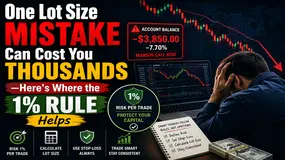
Switched from one trading strategy to another but could not avert heavy losses? Wondering what went wrong despite your market analysis being spot on? It may not be a strategic issue then. It may just be that you chose the wrong lot size. Yes, a single oversized position can get your account exposed to far greater risks than you may imagine. You may be moved by the impressive profits with increasing lot sizes. But by doing so, you also invite a proportionate rise in losses. This is where you need to apply the essential 1% risk management principle. This rule helps you assess how much you can afford to lose if a trade does not go as planned.
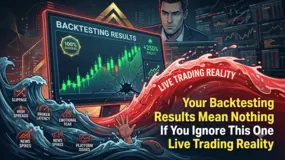
Backtesting remains one of the primary skills forex traders learn. By implementing a trading strategy based on historical currency pair price information, traders can view their past performance. The strategy leading to consistent profits during backtesting can raise confidence and lay a structured approach to the forex market. However, the path is not as simple as it may sound. Several traders tend to meet a harsh reality when transitioning to live trading. The strategy that seemed almost flawless on historical charts suddenly fails to deliver the results it did before. The sudden difference may not necessarily be because of a poor strategy. Rather, it indicates limitations concerning backtesting and several factors that play their part in a live market where conditions change frequently. It is thus important to understand these differences so that you can set realistic expectations and work on to achieve consistent success.
WikiFXWikiFXWikiFXWikiFXWikiFXWikiFXWikiFXWikiFXWikiFXWikiFX