

Broker Globale Piattaforma di Verifica Regolamentare
WikiFX
Italiano
简体中文
繁體中文
English
Pусский
日本語
ภาษาไทย
Tiếng Việt
Bahasa Indonesia
Español
हिन्दी
Filippiiniläinen
Français
Deutsch
Português
Türkçe
한국어
العربية
اردو


FXT Financial Focus (Asia-Pacific 09/03)Trump Pushes RefineryExpansion as Investment Stays Cautious


Sommario:Trump recently met with executives from major oil and refining companies at the White House, urging them to increase investment and refining capacity to boost fuel supplies and ease rising gasoline pr
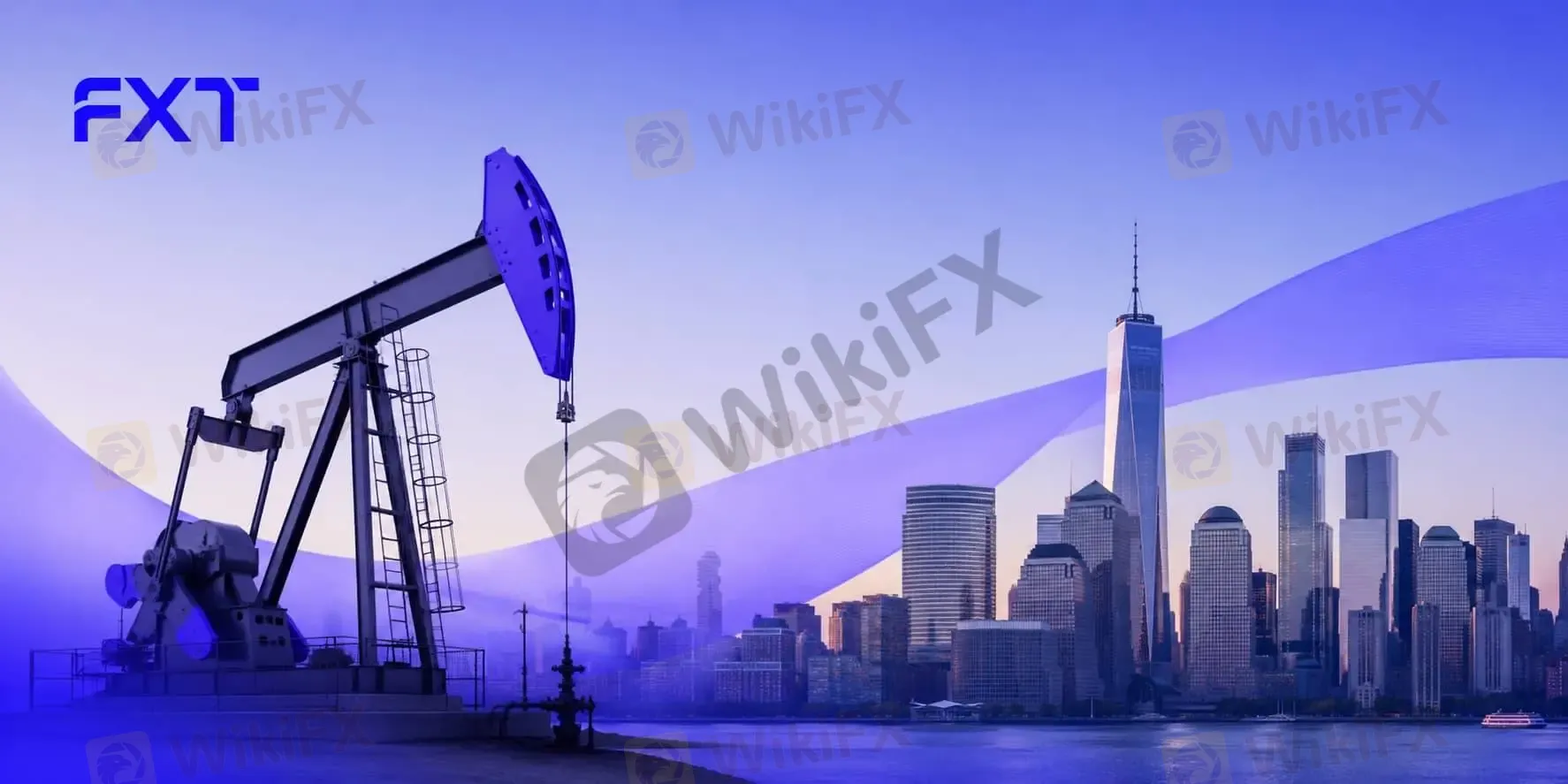
Trump recently met with executives from major oil and refining companies at the White House, urging them to increase investment and refining capacity to boost fuel supplies and ease rising gasoline prices. With the November midterm elections approaching, energy costs are becoming an increasingly important concern for the administration. Trump also proposed cutting regulations and accelerating approvals to lower barriers to expansion.
The US refining industry is currently highly profitable. Conflicts in the Middle East, disruptions to Russian supplies, and lower refined-product exports from East Asia have tightened supplies of diesel, jet fuel, and gasoline. US refinery utilization has recently exceeded 97%, near an eight-year high. Diesel refining margins briefly topped $100 a barrel, while the six largest US refiners earned a combined $24.7 billion from refining operations in the second quarter, nearly five times the year-earlier level.
However, strong profits have not triggered a wave of new refinery construction. Large refineries typically require billions of dollars in investment and three to five years from approval to operation. Companies generally believe todays unusually high refining margins are unlikely to last. By the time new facilities come online, global energy supplies may have normalized, making firms reluctant to commit huge sums based on temporary market tightness.
Building new refineries also faces significant practical obstacles. The number of US refineries has fallen by 128 since 1982, while the most recently completed refinery dates back to 1977. New projects now require multiple federal, state, and local permits, along with pipelines, storage tanks, ports, and transportation infrastructure. A refinery project previously promoted by Trump in Brownsville, Texas, has faced challenges involving infrastructure, financing, and approvals.
Long-term demand trends are another deterrent. As electric vehicles become more widespread and fuel efficiency improves, US gasoline consumption could gradually decline. Refiners therefore prefer upgrading existing facilities and shifting toward diesel, petrochemicals, and lubricants. ExxonMobil plans to invest about $2 billion in upgrades at its Baytown refinery in Texas, while Chevron is pursuing similar projects.
Expanding existing facilities is far more practical than building large refineries from scratch. Industry estimates suggest upgrades in Texas, Louisiana, and elsewhere along the Gulf Coast could add roughly 400,000 barrels per day of US refining capacity over the next 20 years, equivalent to a large refinery. If the White House can shorten approval times and reduce expansion costs, such projects are likely to attract faster industry support.
From FXT‘s perspective, Trump’s push to expand refining capacity is more likely to encourage upgrades to existing facilities in the near term. With US refineries already operating close to full capacity, tight fuel supplies are unlikely to ease significantly soon. If regulations and approvals are further relaxed, refining investment along the Gulf Coast could accelerate and improve US supply capacity over the longer term. However, with limited growth potential for gasoline demand, industry investment is still likely to favor expansions of existing capacity and higher-value products.
Disclaimer:
Le opinioni di questo articolo rappresentano solo le opinioni personali dell’autore e non costituiscono consulenza in materia di investimenti per questa piattaforma. La piattaforma non garantisce l’accuratezza, la completezza e la tempestività delle informazioni relative all’articolo, né è responsabile delle perdite causate dall’uso o dall’affidamento delle informazioni relative all’articolo.
WikiFX Trader
EC markets
Sotto supervisione
pepperstone
Reclami dei clienti
VT Markets
Sotto supervisione
FXCM
Sotto supervisione
TMGM
Sotto supervisione
IC
Sotto supervisione
EC markets
Sotto supervisione
pepperstone
Reclami dei clienti
VT Markets
Sotto supervisione
FXCM
Sotto supervisione
TMGM
Sotto supervisione
IC
Sotto supervisione
