

Global Broker Regulation Inquiry App
About WikiFX
English
简体中文
繁體中文
English
Pусский
日本語
ภาษาไทย
Tiếng Việt
Bahasa Indonesia
Español
हिन्दी
Filippiiniläinen
Français
Deutsch
Português
Türkçe
한국어
العربية
اردو



Is FBS Legit or a Scam? 5 Key Questions Answered (2026)

WikiFX
|


Abstract:FBS holds a high WikiFX score of 7.58 due to its Tier-1 regulation by ASIC and CySEC, yet it faces a worrying volume of user complaints regarding profit cancellations and withdrawal issues. While the legal framework is strong, the disconnection between its regulatory status and reported client experiences suggests caution.
1. Executive Summary (TL;DR)
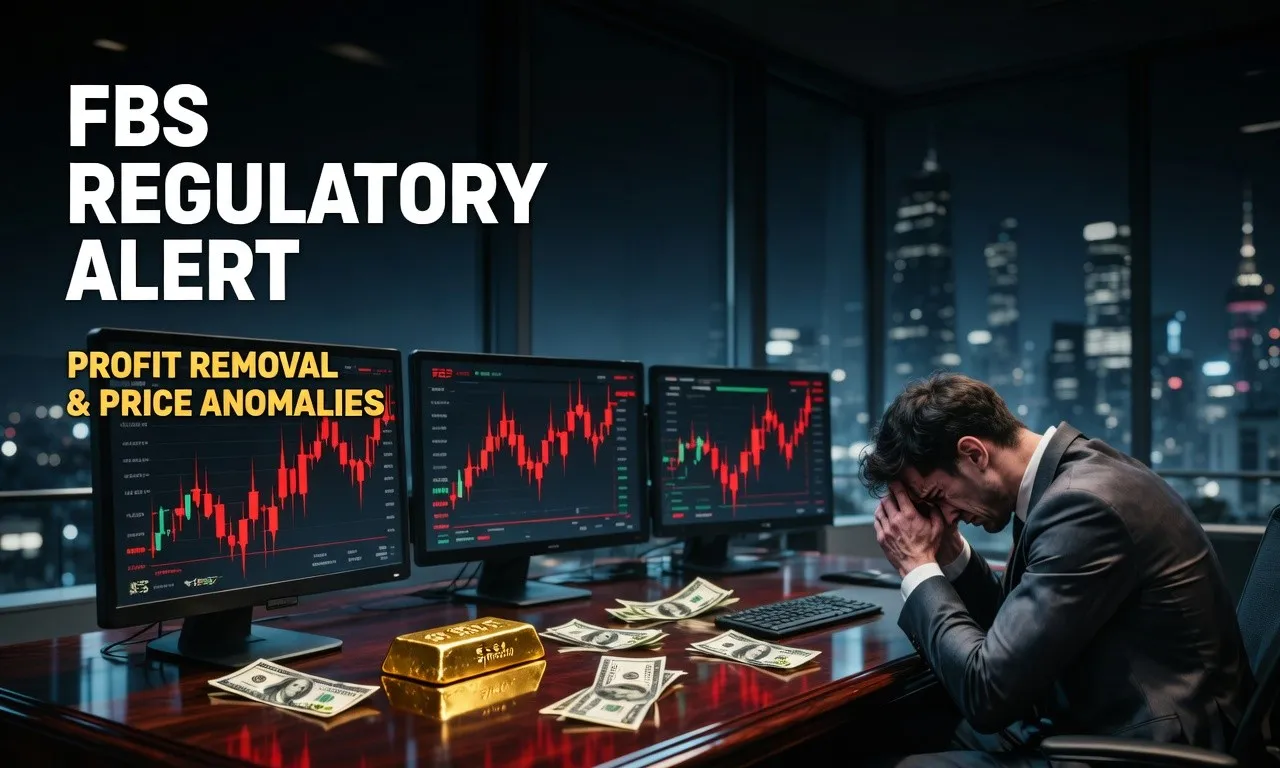
FBS presents a conflicting profile: it holds top-tier licenses from Australia (ASIC) and Cyprus (CySEC), earning it a strong WikiFX Score of 7.58, yet recent user data shows a surge in complaints about profit removal and price anomalies. While the platform offers competitive spreads and industry-standard software, the high volume of disputes regarding “Balance Fixed” operations suggests you should exercise caution and verify which specific entity you are registering with.
Intro: Should you trust the 7.58 Score?
Seeing a high score like 7.58 often puts a trader's mind at ease immediately. You might think, “Great, they are regulated, my money is safe.” However, the financial world is rarely black and white. FBS was established in 2017 (according to its current corporate registration data) and is headquartered in Belize, but it operates under multiple legal umbrellas.
Before you deposit your hard-earned capital, you need to understand not just the score, but the story behind the score. Is the safety rating shielding you from service issues? Let's break down the 5 critical questions you must ask before opening an account.
Question 1: Is my money safe with FBS?
The short answer is: It depends entirely on which “branch” of FBS you join.
According to the database, FBS is regulated by two major heavyweights:
1. ASIC (Australia): One of the strictest regulators in the world.
2. CySEC (Cyprus): The standard for European reliability.
Why does this matter?
When you trade under a Tier-1 regulator like ASIC, your funds are typically held in Segregated Accounts. This means your money is kept in a separate bank account from the brokers own operating funds. If the broker were to go bankrupt tomorrow, they cannot use your money to pay their debts. The regulator acts as a watchdog to ensure this separation exists.
The “But”:
FBS is also headquartered in Belize and has faced regulatory warnings, such as the disclosure from the Securities Commission of Malaysia (SC), which listed FBS on its “Investor Alert List” for unauthorized activities. If you register under the Belize entity (often to get higher leverage or bonuses), you lose the strict protections of ASIC/CySEC. You are exposing yourself to Counterparty Risk, where the safety of your funds relies solely on the broker's internal honesty rather than external legal compulsion.
Question 2: Are the trading fees and leverage fair?
Financial regulation has a massive impact on your trading conditions.
Leverage:
The data shows FBS offers a maximum leverage of 1:30.
Spreads:
FBS offers varying spreads depending on the account:
Is this good?
Yes. The industry average for a Standard account is typically between 1.0 and 1.5 pips. Starting at 0.7 puts FBS in a competitive position. Lower spreads mean you start your trade closer to the break-even point, which is crucial for day traders or scalpers who make frequent trades.
Question 3: What are real traders complaining about?
This is where the “perfect” regulatory score faces a reality check. Despite the high 7.58 rating, the WikiFX database has logged 69 specific complaints. A pattern has emerged that you cannot ignore.
The “Balance Fixed” & Profit Removal Issue:
Several traders have reported that their profitable trades were retroactively cancelled under a term called “Balance Fixed.”
Why does this happen?
Brokers often have clauses in their Terms & Conditions regarding “abnormal trading” or “latency arbitrage.” If you trade during high-volatility news events and the broker determines the price feed was lagging, they may void your profits after the fact. This is a common friction point with Market Maker brokers.
Price Manipulation Allegations:
Traders have documented price spikes that did not exist on the global market.
Pro Tip: If a broker has multiple complaints about “phantom candles” (prices that don't exist elsewhere), cross-reference your charts with a neutral source like TradingView before accepting the loss.
Question 4: What software will I use?
FBS offers a mix of platforms:
Which should you choose?
For safety and transparency, stick to MT4 or MT5.
Final Verdict: Should I open an account?
The data presents a split verdict.
On paper, FBS is a legitimate, highly regulated broker (Score: 7.58) with licenses that ensure capital safety for clients in Australia and Europe. Their spreads are competitive, and they use industry-standard software.
However, the sheer volume of complaints regarding retroactive profit cancellation and withdrawal denials is a red flag for high-volume or news traders. The safety provided by a license means little if the broker's internal policies allow them to void profits based on technicalities.
Your Action Plan:
1. Verify the Entity: If you sign up, ensure you are under the ASIC or CySEC entity, not the offshore one.
2. Avoid News Trading: Given the “Balance Fixed” complaints, avoid trading during high-volatility events (like CPI or NFP) on this platform.
3. Check Live Status: Regulatory status can change overnight.
Status changes daily. Before depositing, check the WikiFX App for the latest real-time certificate and complaint logs.
Disclaimer:
The views in this article only represent the author's personal views, and do not constitute investment advice on this platform. This platform does not guarantee the accuracy, completeness and timeliness of the information in the article, and will not be liable for any loss caused by the use of or reliance on the information in the article.
WikiFX Broker
Latest News
First Light News: Chip Rout Rattles Equities as Q3 Earnings Season Kicks Off
WikiFXThe Dollar Surges as Gold Slides. Could a Turning Point Be Near?
WikiFXRetiree Loses RM118,000 Through Fake Stock Investment Website
WikiFXConsumer prices rose at 3.7% annual rate in September as gas costs skyrocket
WikiFXU.S. Dollar Pulls Back From Yearly Highs: Analysis For EUR/USD, GBP/USD, USD/CAD, USD/JPY
WikiFXED Files Charge Sheet in Nexa Evergreen Investment Case Involving Rs 2,676 Crore
WikiFXClient Saved via WikiFX Exposure ! Is slay4x Considered a Safe Broker or a Scam in Q4 2026?
WikiFXNPBFX Broker Review: Regulated but Is It Safe for Traders?
WikiFXScore Capital Markets Ltd 2026 Review: Gateway or Trap?
WikiFXFirst Light News: Earnings & US CPI in Focus
WikiFX