


IG Review for India 2026: RBI Alert List, Regulation, Login, and Forex Risk
IG review for India in 2026: see the RBI Alert List entry, overseas regulation, login checks, forex limits, and a clear broker safety checklist.
Original

简体中文
繁體中文
English
Pусский
日本語
ภาษาไทย
Tiếng Việt
Bahasa Indonesia
Español
हिन्दी
Filippiiniläinen
Français
Deutsch
Português
Türkçe
한국어
العربية
اردو




Abstract:Despite frequent “de-dollarization” headlines, the U.S. dollar remains unrivaled due to unmatched market depth, global usability, and trusted legal/institutional frameworks. Crypto and other currencies (euro, yuan) lack the stability, convertibility, and infrastructure required to replace the USD, while the Fed’s credibility and the scale of U.S. financial markets continue to anchor demand. Bottom line: no alternative currently offers a complete, credible substitute for the dollar’s global role.

Talk of “de-dollarization” is everywhere—headlines about “USD weaponization” and the “yuan replacing the dollar” make for lively debate. But when you look past the noise, one conclusion stands out: the US dollar remains unmatched. Gold, crypto, the euro, and the yuan all play important roles, yet none currently offers a complete, credible alternative to the dollars global dominance.
Below are three practical reasons why the USD still leads—and why thats unlikely to change soon.
1) Trust and usability: rivals fall short
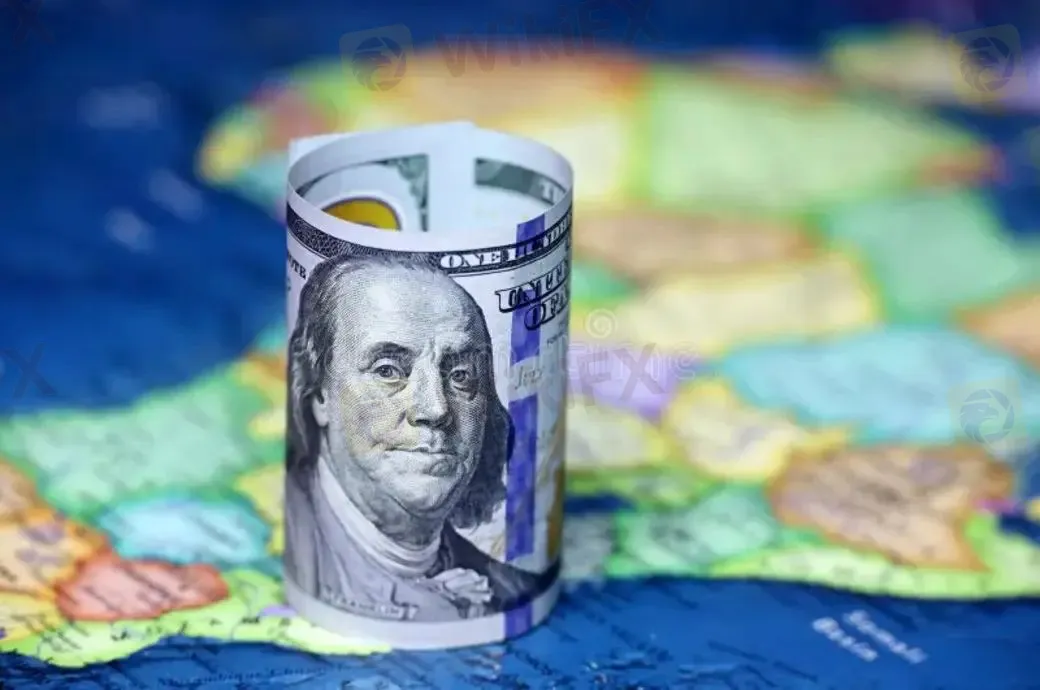
The dollar isn‘t just a currency; it’s an ecosystem—deep, liquid markets, widely used contracts, and legal and institutional frameworks that global investors understand and trust. By comparison, the euro still faces policy fragmentation, and China‘s yuan remains constrained by capital controls and limited market openness. As one expert put it: there’s no fully viable replacement yet—especially for cross-border trade, finance, and reserves where reliability matters most.
When institutions need depth, liquidity, and predictable rules, they default to USD.
2) Crypto and “digital gold” arent ready for prime time
Bitcoin and other digital assets are innovative and may have a future role in global finance. But extreme volatility, leverage-driven liquidations, and uneven regulation make them poor substitutes for the “plumbing” of the world economy. Reserve managers and corporates need stability, legal recourse, and mature market infrastructure—areas where crypto still has ground to cover.
Crypto can complement portfolios, but it doesn‘t yet replace the dollar’s stability or utility.
3) Policy cycle support: a softer Fed can strengthen demand
Markets watch the Federal Reserve closely. If inflation eases and rate cuts arrive in a controlled, predictable way, risk appetite can improve—often supporting capital flows into US assets and reinforcing the dollar‘s central role in funding, hedging, and settlement. Regardless of the exact path of policy, the Fed’s credibility and the scale of US markets continue to anchor the USDs appeal.
The dollar‘s demand is tied to the world’s largest, most liquid financial system—one policy turn doesnt erase that advantage.
De-dollarization makes headlines, but global finance runs on trust, scale, and legal certainty. Until a rival can match the dollar across all of those dimensions—market depth, convertibility, rule of law, and seamless global usage—the USD‘s position remains secure. Other assets and currencies can play meaningful roles, but the dollar is still the world’s default setting.

Disclaimer:
The views in this article only represent the author's personal views, and do not constitute investment advice on this platform. This platform does not guarantee the accuracy, completeness and timeliness of the information in the article, and will not be liable for any loss caused by the use of or reliance on the information in the article.

IG review for India in 2026: see the RBI Alert List entry, overseas regulation, login checks, forex limits, and a clear broker safety checklist.

Orbex, a Cyprus-based brokerage entity, has recorded 30 exposure complaints on WikiFX, a leading forex broker regulation inquiry tool, so far. Other review websites have also recorded a healthy number of complaints against the brokerage firm. These complaints largely talk about the alleged profit confiscations by the broker in the name of trading violations, difficulty in accessing fund withdrawals, capital losses due to artificial slippage, etc. In this Orbex review, we have investigated user complaints and provided a regulatory overview of the broker.
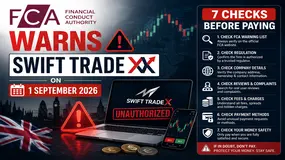
FCA warns Swift TradeX in a notice first published and updated on 1 September 2026. The UK Financial Conduct Authority says the firm may be providing or promoting financial services without permission, is not authorised, and may be targeting people in the UK. The notice names the website swifttradexai.com, a Worcester address and a UK telephone number, but also cautions that unauthorised businesses may use incorrect or borrowed contact details. The confirmed issue is authorisation status—not a court finding about every transaction. Anyone considering a payment should stop, verify the firm independently, and avoid using contact information supplied by the platform itself.
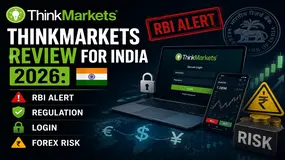
ThinkMarkets review for India: check the RBI Alert List, overseas entities, regulation, login security, forex rules, costs, withdrawals, and leverage risk.
WikiFXWikiFXWikiFXWikiFXWikiFXWikiFXWikiFXWikiFXWikiFXWikiFX