


Vietnam Becomes New Base for Cross Border Scam Syndicates After Cambodia Crackdown
Cross border scam syndicates are constantly adapting to evade law enforcement by moving from Cambodia to Vietnam.
Original

简体中文
繁體中文
English
Pусский
日本語
ภาษาไทย
Tiếng Việt
Bahasa Indonesia
Español
हिन्दी
Filippiiniläinen
Français
Deutsch
Português
Türkçe
한국어
العربية
اردو




Abstract:One WhatsApp message wiped out nearly RM250,000 from a university lecturer in Terengganu. If even the smartest minds can fall for scams like this, what makes you think you’re untouchable?

A single WhatsApp message has cost a university lecturer in Terengganu nearly a quarter of a million ringgit, exposing once again the devastating power of online investment scams that are sweeping through Malaysia.
Police confirmed that the 56-year-old victim, who works at a local university, was deceived into handing over RM244,925.61 after being lured by promises of extraordinary profits.
The nightmare began on 14 August, when the woman received an unsolicited WhatsApp message promoting an investment scheme. The message included a link with three options, starting from just RM300. What seemed like a harmless test quickly spiralled into financial ruin.
She invested RM300 and was assured of an exaggerated RM14,000 return. But when she attempted to claim her profit, she was told that more payments were required before any withdrawal could be processed. Believing the scheme was legitimate, she continued to comply.
Over the course of three weeks, from 20 August to 10 September, she transferred money taken from her Employees Provident Fund (EPF) into 18 separate bank accounts. Each transfer was made under the belief that she was inching closer to accessing her supposed returns.
The reality struck on 15 September, when no payout ever arrived. It was only then that she lodged a police report, realising she had fallen prey to a sophisticated fraud.
Kuala Terengganu district police chief Assistant Commissioner Azli Mohd Noor explained that the scammers used a well-known strategy: baiting victims with small investments that appear promising, then escalating demands under the guise of fees and administrative charges. This cycle often traps victims into chasing their losses with larger and larger sums until their savings are drained.
Read this article to find out the real reasons why scammers may give you real (and small) profits initially:
Read this article to learn why you should never transfer to several different accounts:
The police are now investigating the case under Section 420 of the Penal Code, which covers cheating.
Fraudsters are no longer relying on cold calls or emails; they are embedding themselves into the everyday platforms people use to communicate, waiting for a single click to open the door to disaster.
Authorities repeatedly urge the public to remember a simple rule: if an investment promises fast and unrealistic returns, it is almost certainly a scam. Genuine investments do not demand payments through random bank accounts, and they do not hide behind WhatsApp messages from strangers.
 Contents
Disclaimer:
The views in this article only represent the author's personal views, and do not constitute investment advice on this platform. This platform does not guarantee the accuracy, completeness and timeliness of the information in the article, and will not be liable for any loss caused by the use of or reliance on the information in the article.

Cross border scam syndicates are constantly adapting to evade law enforcement by moving from Cambodia to Vietnam.
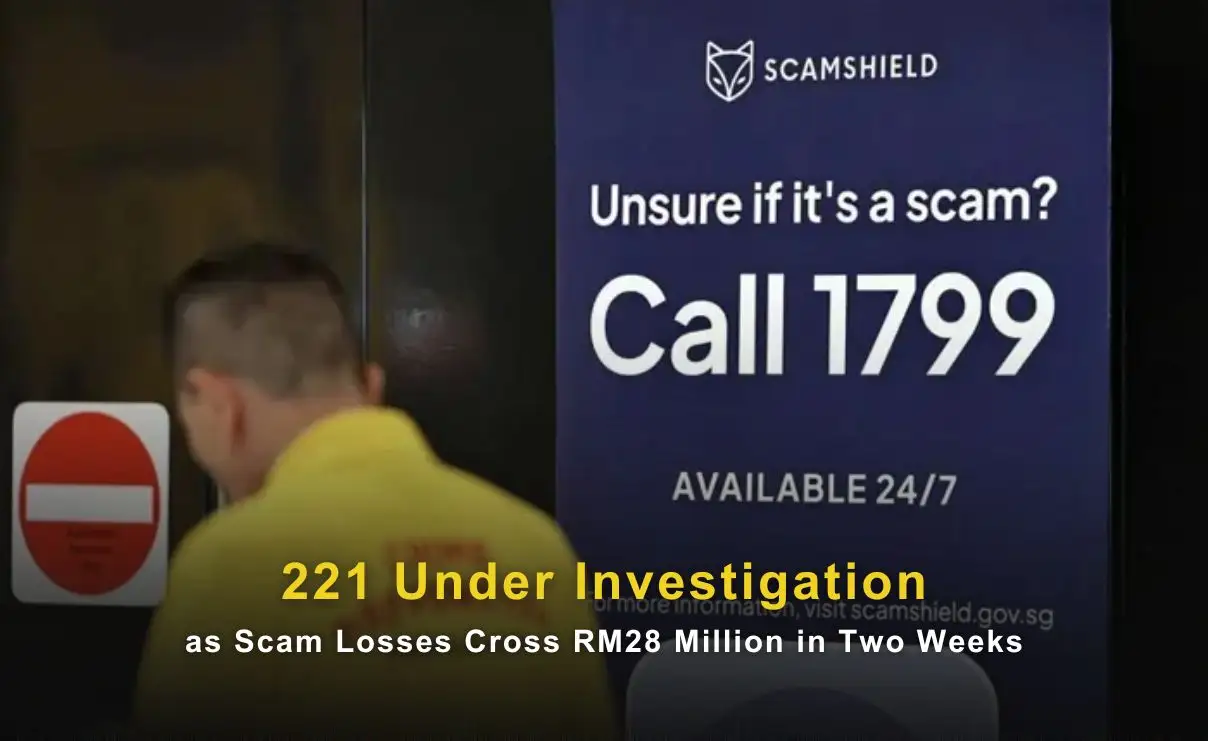
Singapore authorities have concluded a major anti-scam enforcement operation that resulted in 221 individuals being placed under investigation for their alleged roles in a wide range of fraudulent schemes.

He Claimed Elite Connections. She Ended Up Losing Millions and Her Dream Car
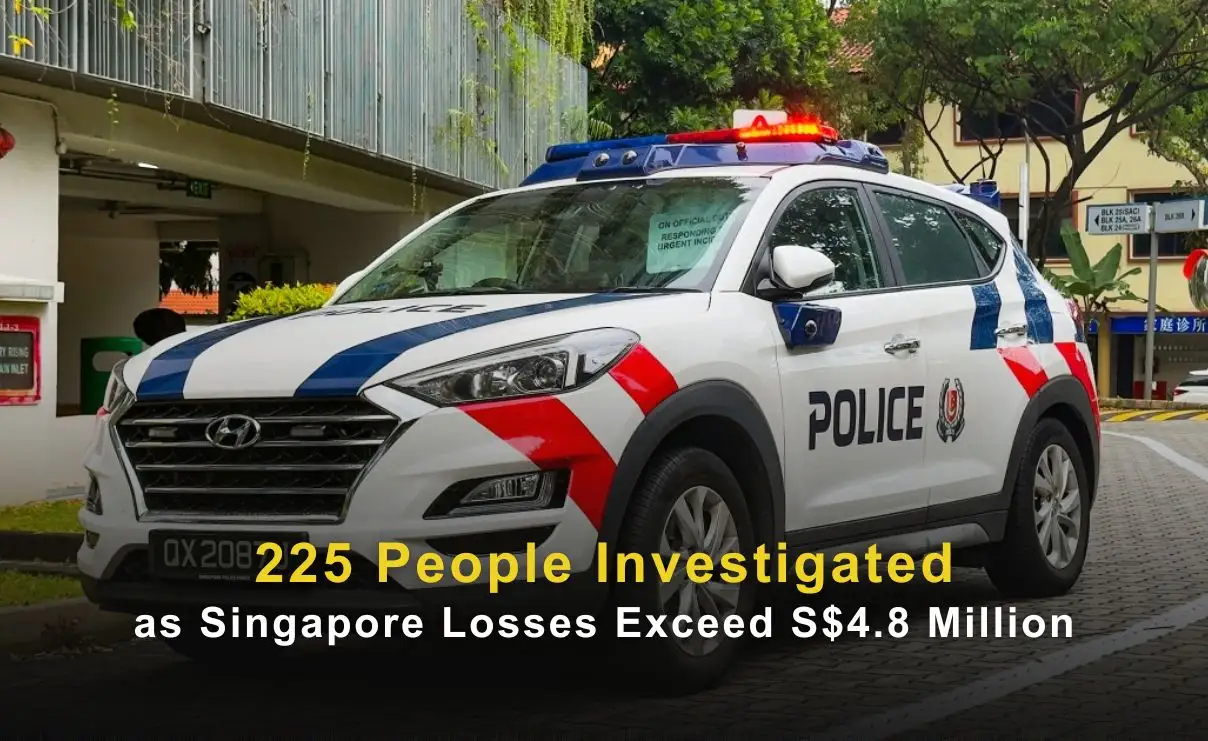
Singapore police are investigating 225 individuals linked to over 564 cases with losses exceeding S$4.8 million, including investment-related cases. Investors are urged to verify brokers and platforms through tools such as the WikiFX App before depositing funds.
WikiFXWikiFXWikiFXWikiFXWikiFXWikiFXWikiFXWikiFXWikiFXWikiFX