Abstract:Identical websites, different names—same scam. See how fraudsters are cloning trading platforms and fabricating 5-star reviews to lure investors.
In the world of online trading fraud, deception has become less about novelty and more about repetition. The platforms may change names, but the tactics remain strikingly consistent. Two recent examples—Victorian Money Limited & GreenHillCAI, and a trio of AI-branded platforms (Miradex Trader, OptiTrader AI, and Novarix Trader 3.9 Flex)—highlight how scammers are leveraging cloned websites, fake endorsements, and misleading visuals to create the illusion of legitimacy.
Case 1: Identical Sites, Identical Scams — Victorian-FX & GreenHillCAI
At first glance, victorian-fx.pro and greenhillcai.com appear to be different brands. But in reality, they are identical in structure, visuals, and text, right down to the dashboard screenshots, layout, and even the so-called “analytics.”
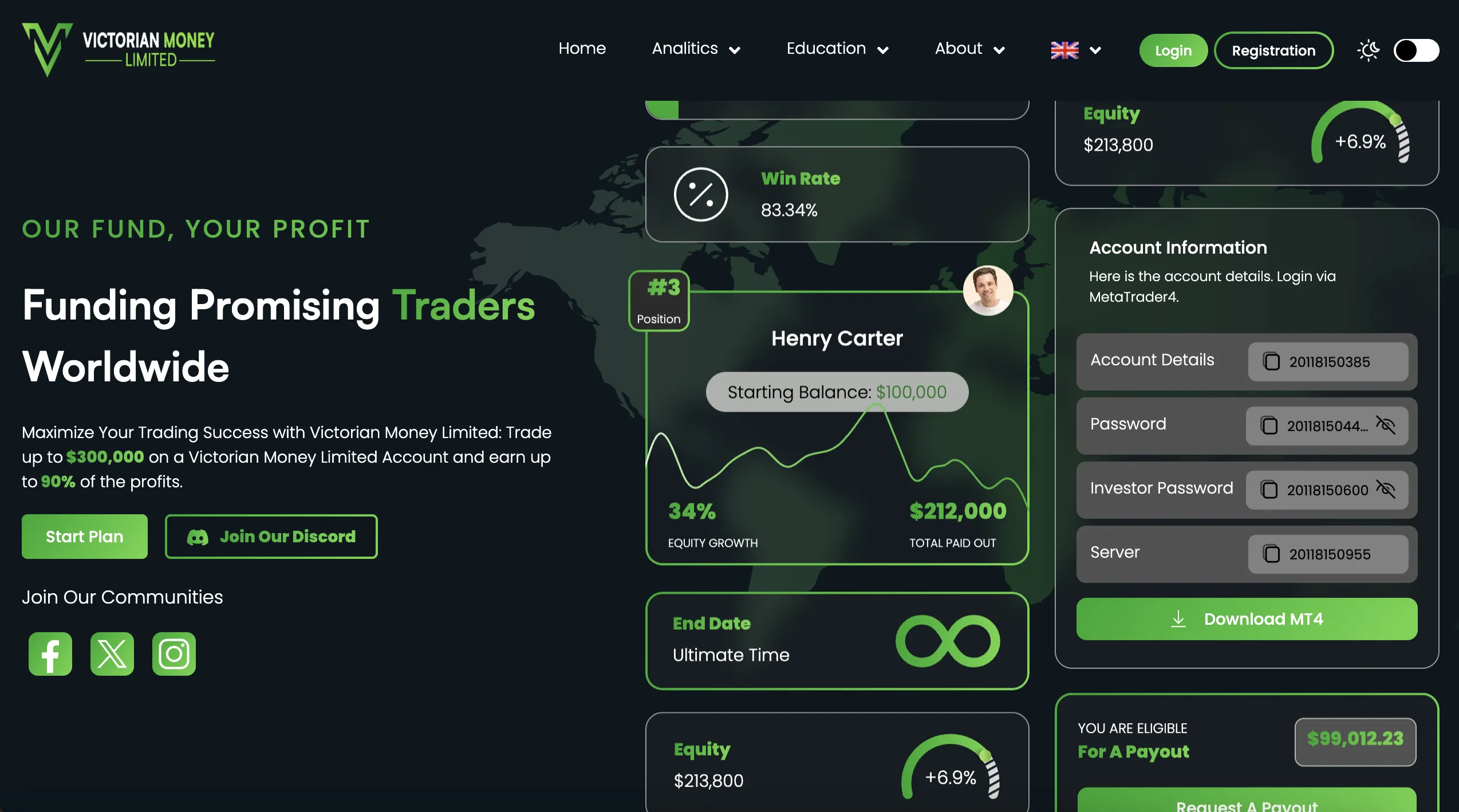
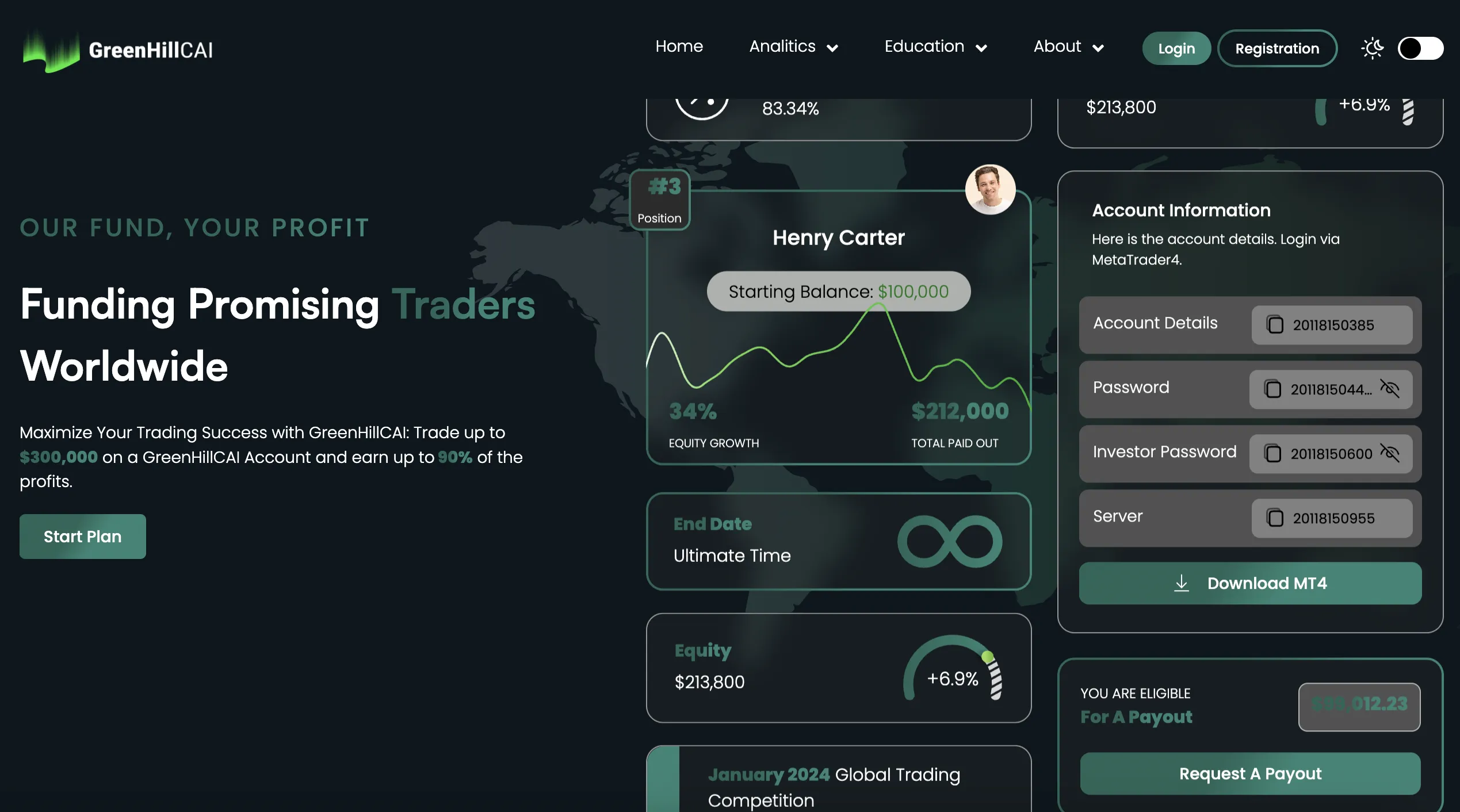
The same color palette, marketing lines (“Our Fund, Your Profit”) and fake payout panels are reused across both domains—without changing anything other than the logo and company name. There‘s no effort to hide the replication because the creators likely assume users won’t visit both sites.
Crucially, both websites have been flagged by BaFin, Germanys financial watchdog, for operating without authorization. This means neither platform holds a valid license to offer financial or investment services to German clients—or anyone in the EU.
This is not a case of imitation. Its a deliberate, coordinated scam network, reusing the same site infrastructure under different names to trap as many users as possible before being shut down.
Case 2: Fake Ratings, Fabricated Endorsements — Miradex, OptiTrader AI, Novarix
The second group of platforms—miradextrader.pro, optitraderia.pro, and novarixtrader39flex.pro—takes deception a step further by creating entire review pages within their own websites, designed to mimic third-party assessments.
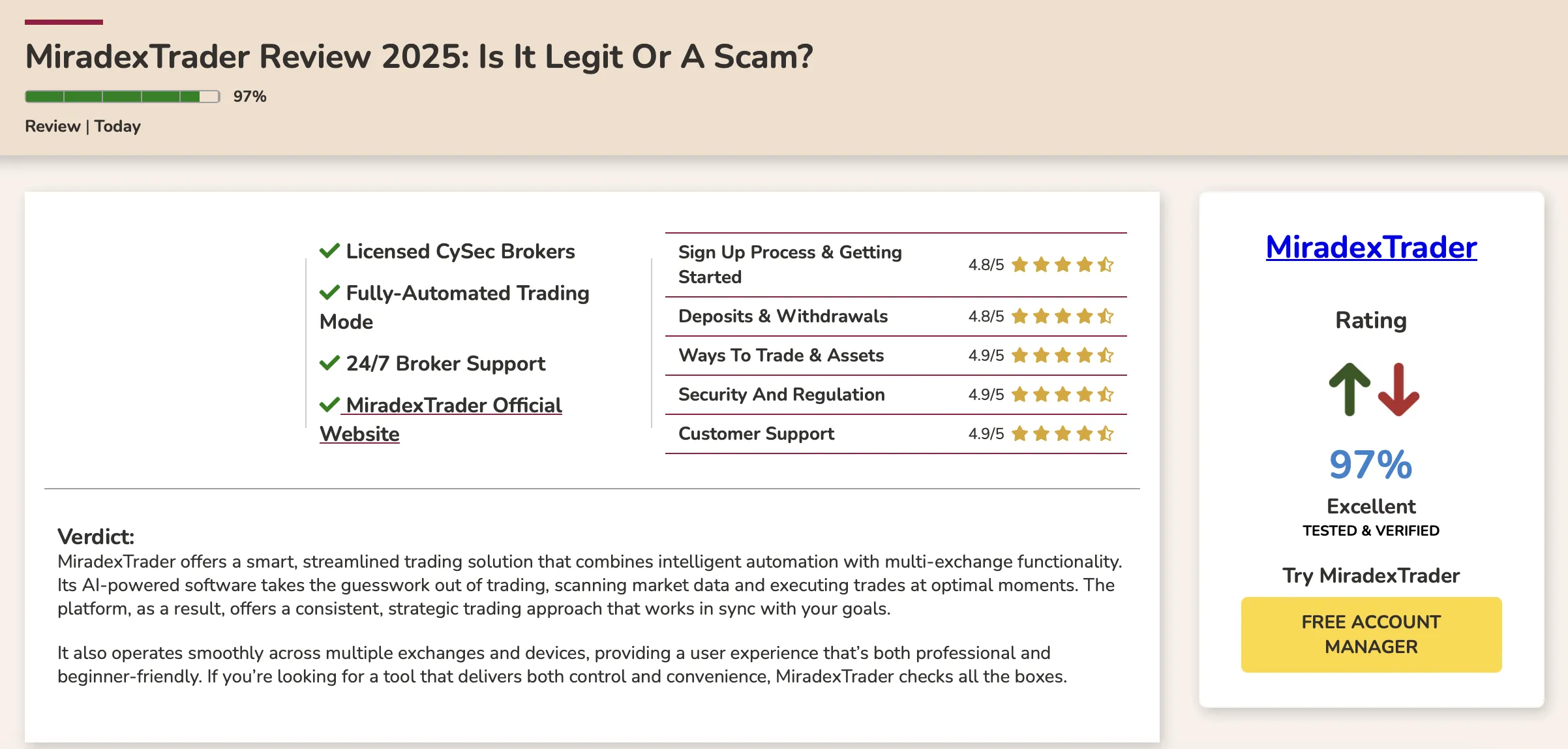
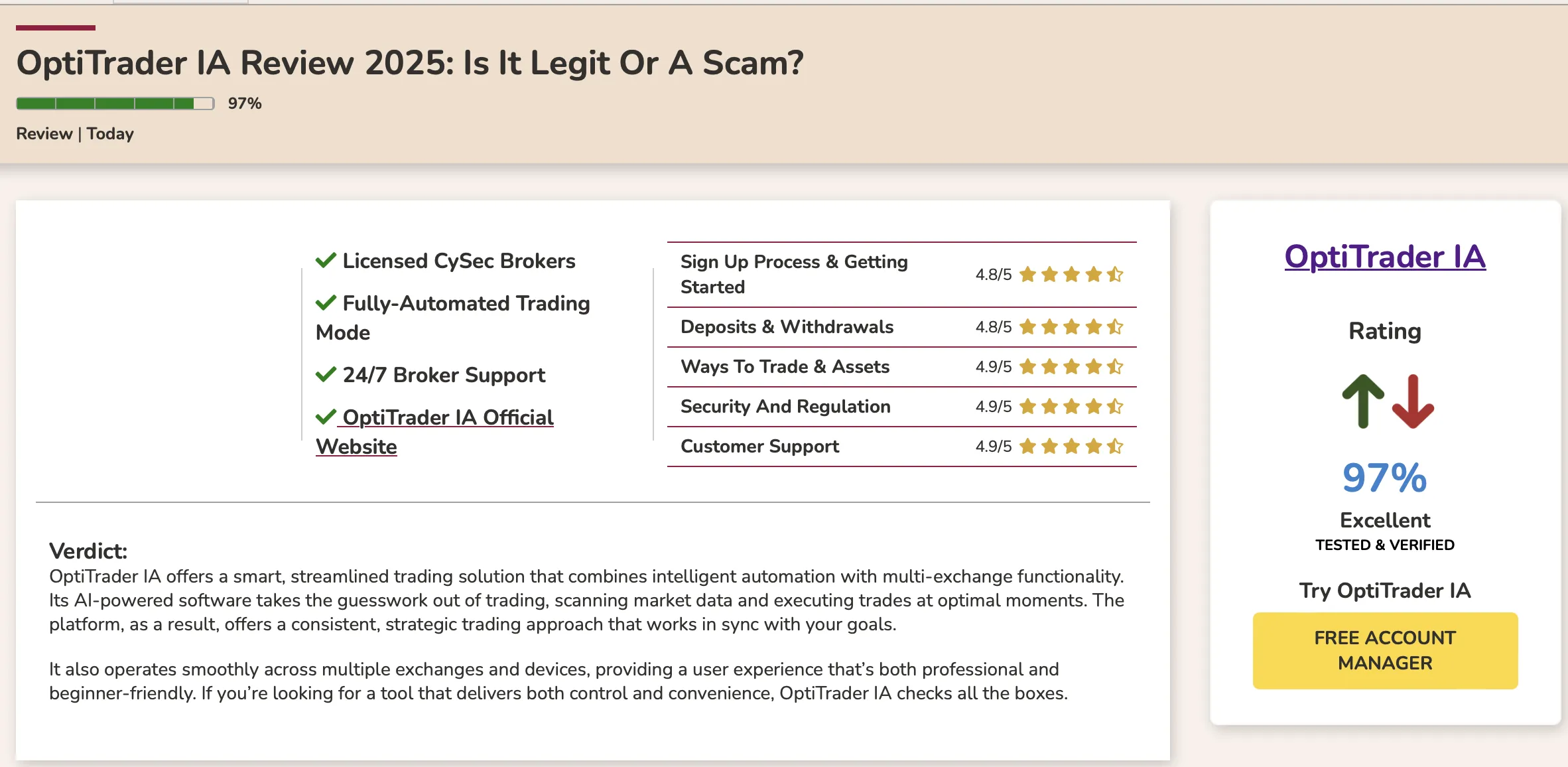
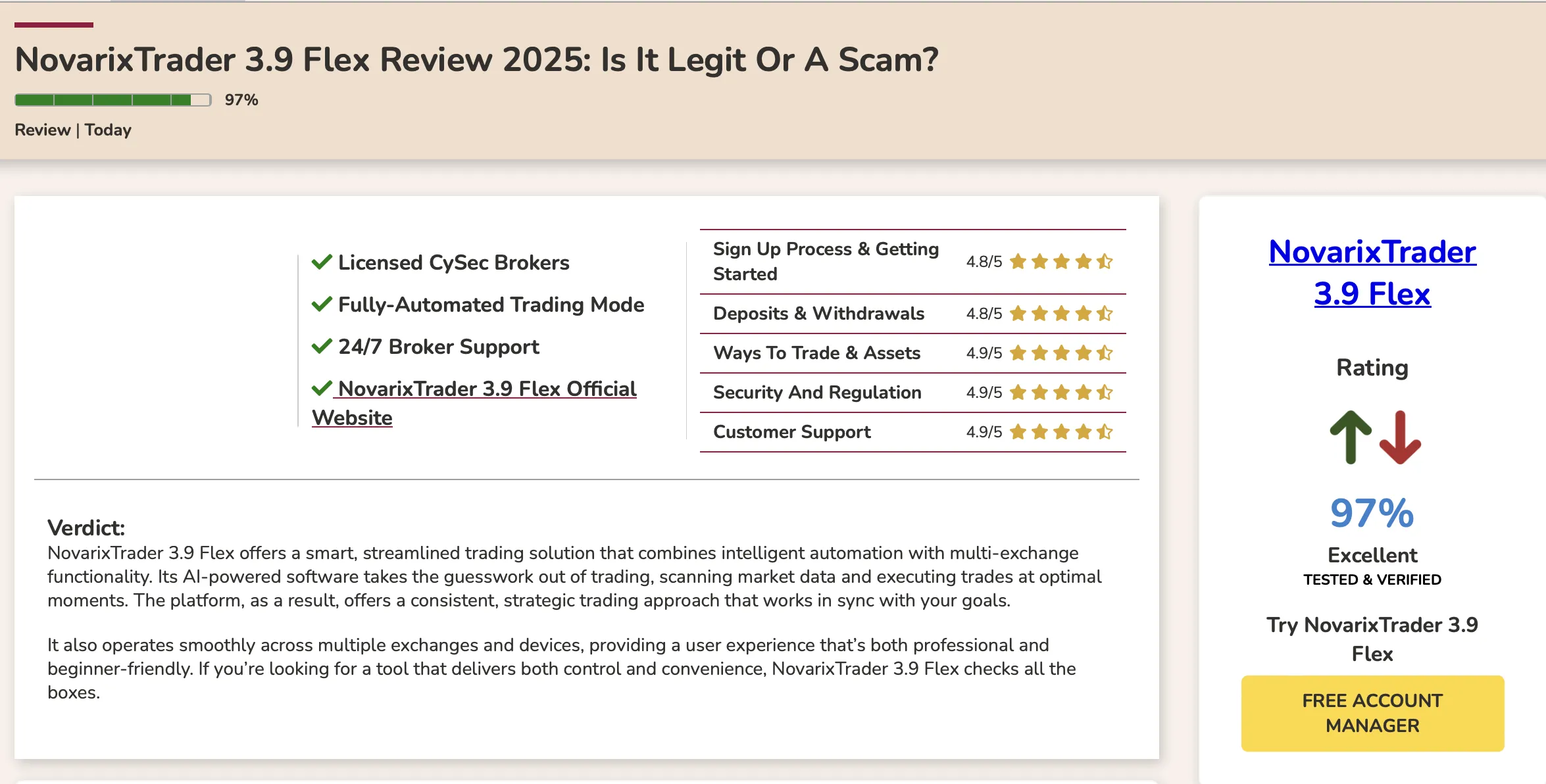
Each of these websites hosts a nearly identical “broker review” layout. Features include:
- A 97% “Excellent” rating badge
- Professionally formatted breakdowns of “Pros and Cons”
- Generic user quotes with no verifiable source
- Text blocks that appear informative but offer no meaningful content or transparency
The illusion is that these sites have been vetted by external experts. But the reality is that all reviews are self-published and identical, merely swapping the platform name (as revealed by inspecting the page source and repeated design elements).
More alarmingly, several statements present factual contradictions. For example:
“This broker is licensed by CySEC and allows anonymous trading.”
This is simply impossible. CySEC (Cyprus Securities and Exchange Commission) strictly prohibits anonymous accounts and requires full KYC compliance. Such claims are not just misleading—they directly contradict known regulatory standards.
How to Spot Patterns
These two scam networks rely on the same blueprint:
- Duplicate websites under different names
- Fake dashboard stats and investor payout panels
- Self-created rating systems passed off as external reviews
- Fraudulent claims of licensing or regulation
- Use of phrases like “Funding Promising Traders” or “Join Our Community” with no real contact or support
They also often provide MetaTrader login screens, but no actual brokerage back-end—just superficial interface elements meant to look “familiar.”
Conclusion: Dont Trust What You See — Verify
What these cases prove is that professional-looking websites mean very little in the age of digital fraud. The most dangerous scams now look polished, come with fake reviews, and even reference non-existent regulators or cloned companies.
To stay safe:
- Use third-party verification tools such as WikiFX to assess broker transparency and user complaints
- Be wary of platforms with identical designs or fake review systems embedded into their own sites
If a website feels too slick to be real—it probably isnt.