Abstract:Know the top 9 financial fraud cases in history, from Enron to FTX, uncovering deception and greed. Learn how WikiFX protects investors from scams and fraud.
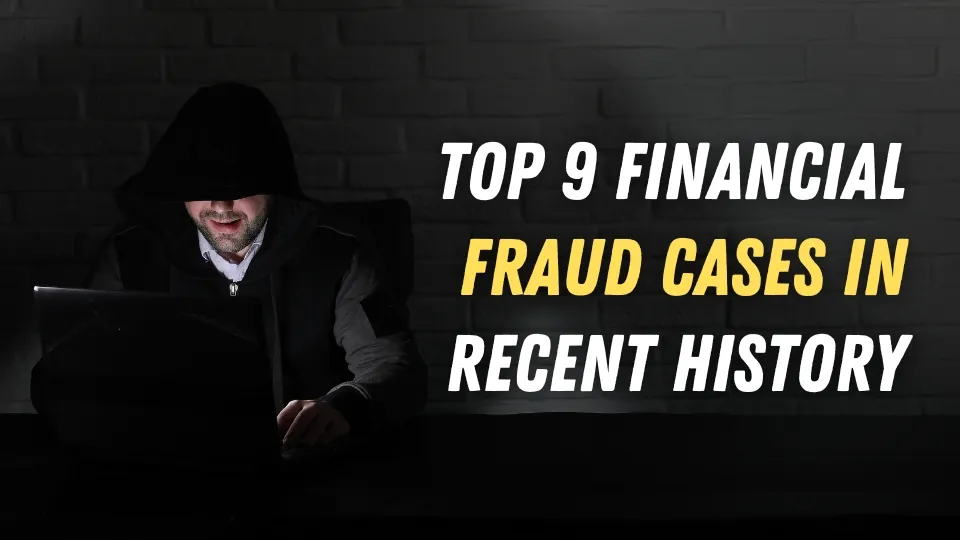
Financial fraud is a chronic problem that evolves over time, taking advantage of new technologies and exploiting regulatory weaknesses. These methods cause devastation for individuals, businesses, and economies alike. The following cases, which span multiple industries and eras, demonstrate the extremes that fraudsters will go to obtain personal benefit. They also serve as enduring reminders of the importance of vigilance, openness, and strong safeguards in financial institutions.
Enron: The Decline of a Corporate Titan
In its heyday, Enron was hailed as an energy industry pioneer, with ground-breaking ideas and tremendous earnings. However, this achievement was predicated on deception. To hide debt and exaggerate earnings, the corporation adopted inventive accounting procedures such as “off-balance-sheet” entities. The facade collapsed in 2001, resulting in one of the greatest corporate bankruptcies in US history. Thousands of employees lost their jobs and retirement savings, and investors suffered massive losses. Enron's demise sparked the passage of the Sarbanes-Oxley Act, which transformed corporate governance by making CEOs accountable for their firms' financial reporting.
FTX: Crypto Dreams Turned Nightmare
The stratospheric rise and catastrophic fall of FTX serve as a cautionary story for cryptocurrency investors. In 2019, Sam Bankman-Fried founded FTX, which promised openness and efficiency in the trading of digital assets. Instead, it became linked with betrayal after billions of dollars were moved to Alameda Research, Bankman-Fried's hedge fund. Excessive expenditure on luxury houses and speculative projects contributed to the crash. FTX entered bankruptcy in 2022, leaving a large number of investors out of pocket. This case demonstrates the critical need for regulatory control in the rapidly growing bitcoin business.
Bernie Madoff: Architect of Deception
Bernie Madoff conducted the greatest Ponzi scam in history, cheating investors out of almost $19 billion. For nearly two decades, Madoff enticed investors with promises of constant, high returns. Instead of making legal investments, he faked earnings and utilized new investors' funds to pay off current ones. When the 2008 financial crisis hit, the scheme fell apart, leaving thousands distraught. Madoff's misdeeds serve as a clear warning against blindly believing assets that appear too wonderful to be true.
Wirecard: Germanys Financial Mirage
Wirecard, a German fintech company, promises to transform digital payments. However, in 2020, auditors discovered that $2.1 billion was missing from company accounts. Years of false documents and phantom revenues were discovered during subsequent examinations. Former CEO Markus Braun is on trial, while COO Jan Marsalek continues on the run. This case highlights the significance of thorough audits and the perils of unbridled corporate ambition.
Theranos: False Promises in Healthcare
Elizabeth Holmes founded Theranos with the goal of revolutionizing healthcare through quick, accurate blood tests. By 2014, the corporation had a valuation of $10 billion. However, the technology underlying these assertions proved non-functional. Whistleblowers uncovered the truth, which resulted in criminal charges against Holmes and her business partner, Sunny Balwani. Both are serving lengthy jail sentences, and the case serves as a warning about the perils of unchecked ambition without accountability.
Waste Management: Accounting Shenanigans
Waste Management Inc. overstated its earnings by $1.7 billion in the late 1990s, deceiving investors and benefiting executives. The SEC described this case as one of the most heinous cases of corporate fraud. The company paid millions of dollars in fines, and its external accounting firm received large penalties. This issue highlights the need for ethical norms and strict oversight in preserving investor faith.
WorldCom: Telecom Deception
WorldCom, formerly a telecommunications powerhouse, went bankrupt in 2002 after admitting to overstating assets by $11 billion. CEO Bernie Ebbers engineered the deception, resulting in inflated stock values and significant investor losses. Ebbers received a 25-year prison sentence. The case generated laws that improved whistleblower rights and financial transparency, resulting in increased corporate accountability.
HealthSouth: A Healthcare Giants Fraud
HealthSouth management exaggerated earnings by $1.4 billion to satisfy Wall Street expectations. Richard Scrushy, CEO, faced accusations but was acquitted of fraud. He was later found guilty of corrupting governmental officials. The incident exposed systemic problems in corporate governance within the healthcare industry, where trust is essential.
Ivan Boesky: Insider Tradings Infamous Figure
Ivan Boesky made millions of dollars in the 1980s by trading stocks with insider information. His actions inspired the famed “Greed is Good” catchphrase, which was popularized in the film Wall Street. Boesky's conviction, fines, and prison sentence paved the way for tougher laws on insider trading, altering the securities sector.
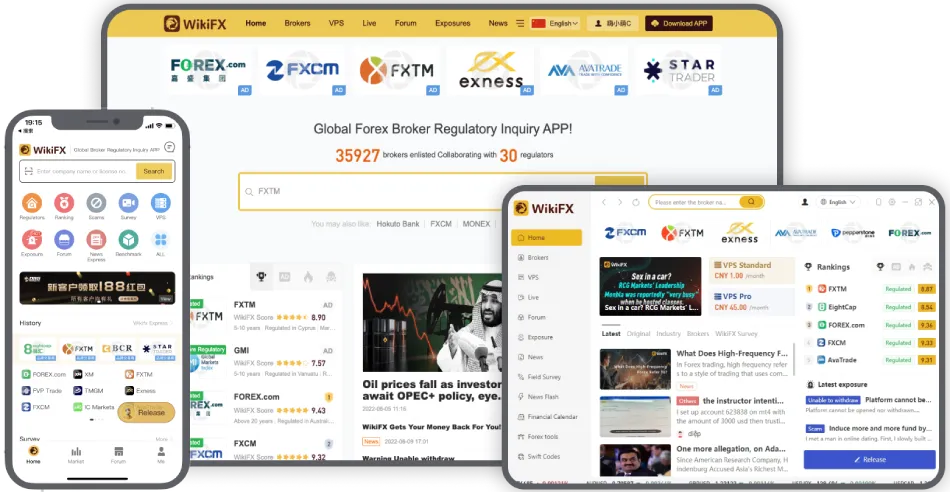
How to Protect Yourself with WikiFX
In a world filled with financial fraud, tools like the WikiFX app help people avoid fraud and make better investment decisions. The key features are:
- Broker Verification: Instantly check a broker's validity and regulatory status.
- Global Data: Get detailed information on brokers from over 30 countries.
- Risk Alerts: Receive real-time alerts on high-risk entities.
- User Reviews: Assess brokers based on extensive input from the community.
- Free Accessibility: A user-friendly platform that is free to download.
Using these tools, investors can avoid risks and secure their financial future.
Final Thoughts
The incidents presented here illustrate common patterns of greed, dishonesty, and the use of systemic flaws. They remind us to be alert and proactive. By learning from history and utilizing tools such as WikiFX, investors may better navigate the financial world, spot red flags, and avoid falling victim to fraud. Transparency, due diligence, and awareness are still our strongest defenses.