Abstract:Understanding why educated individuals fall victim to scams serves as a stark reminder for all traders to remain vigilant, exercise due diligence, and keep emotions firmly in check.
Investment scams do not discriminate. They target people across all levels of experience and education, from those new to finance to individuals with advanced academic and professional backgrounds. Surprisingly, many victims of high-profile scams are people with strong academic credentials—engineers, doctors, professors, and legal experts. This raises an important question: why do even the well-educated fall prey to financial fraud? While theres no simple answer, examining some common factors may provide food for thought and remind all traders to stay vigilant, no matter how confident they feel in their financial acumen.
Educated individuals often have a deep respect for data, analysis, and logical reasoning. Fraudsters understand this and tailor their scams with sophisticated data presentations, polished statistics, and convincing financial “projections.” For those accustomed to relying on data, these elements can create a deceptive sense of legitimacy. When something looks well-researched, it‘s tempting to believe it is accurate. Yet, as convincing as a proposal may appear, it’s a reminder that not all data can be trusted, especially when the source lacks transparency. Fraudsters excel at dressing up information to look scientific, catching even the cautious off guard.

Success in academia or a professional career often builds confidence in ones decision-making ability, which, in the right context, can be an asset. However, in the world of investing, confidence can sometimes cloud judgment. Some individuals may feel that their background or training naturally shields them from poor financial decisions, leading them to skip thorough assessments or take risks they might otherwise avoid. Scammers frequently use this overconfidence to their advantage, presenting investments as “exclusive” or “high-level” opportunities that seem fitting for a sophisticated investor.
No one is fully immune to the influence of a good story. Scammers understand how to appeal to emotions, using narratives that touch on themes of independence, financial success, and even altruism. For those with high aspirations or a desire to secure their financial future, the allure of a promising opportunity can sometimes outweigh concerns or doubts. A compelling pitch is not inherently a red flag, but it is a reminder that even the most educated among us should pause and examine opportunities with an eye toward realism and caution.
Time constraints affect everyone, but especially those in demanding careers who may not have the time or energy to conduct in-depth research into every financial opportunity. In these situations, a quick glance or a referral from a trusted source may feel sufficient. But relying too heavily on surface information or endorsements can be risky. Scammers often exploit these shortcuts, creating a facade of credibility through “endorsements” by industry insiders or respected figures. These tactics can make the scam seem vetted and secure, yet they highlight the importance of doing one's own research.
Strong networks and recommendations are often valuable resources, but they can also present a pitfall. When friends, colleagues, or family members—especially those equally well-educated—endorse an opportunity, its easy to take their word at face value. Unfortunately, fraudsters often spread their schemes through trusted connections, knowing that people are less likely to scrutinize information passed along by someone they trust. While social proof is powerful, it is a reminder to verify facts independently rather than relying solely on the opinions of even the most respected connections.
Education can be a powerful tool, yet it‘s not a failsafe against fraud. Regardless of one’s background or confidence, staying vigilant, questioning assumptions, and conducting thorough due diligence remain essential safeguards. Scammers evolve, using tactics that appeal to people‘s desire for success, stability, and security. For anyone, especially those in the trading world, it’s worth remembering that education and confidence must always be balanced with a healthy dose of scepticism.
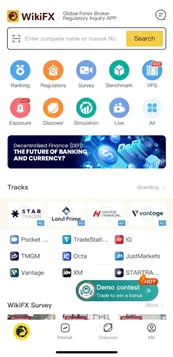
To protect yourself efficiently, download the free WikiFX mobile application or visit www.wikifx.com. WikiFX offers essential tools and resources for verifying the legitimacy of brokers and financial platforms. With an extensive database of global broker profiles, regulatory status updates, and user reviews, WikiFX empowers users to make informed decisions before committing to any financial investment.