Abstract:China's new measures to stabilize the Yuan against the US dollar aim to counter US monetary policy uncertainties and strengthen the currency in the second half of the year.
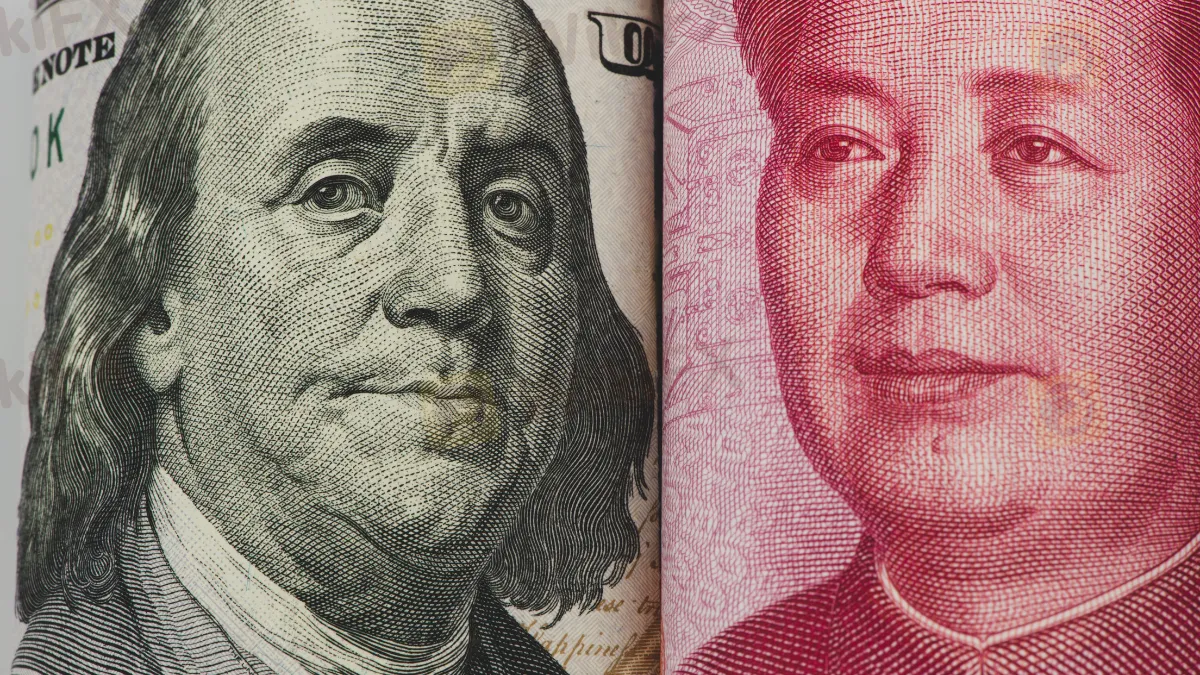
According to experts, China is planning to adopt fresh steps to stabilize the yuan versus the US dollar, addressing persistent concerns about US monetary policy and strengthening the Chinese currency in the second half of the year.
This forecast follows the yuan's recent slide to its lowest level versus the US dollar since November, which was recorded in both onshore and offshore trade on Wednesday.
The offshore yuan fell to 7.3115 versus the US dollar in the morning, breaching the crucial 7.31 level, while the onshore yuan finished at 7.2734 around 16:30, down 20 basis points from the previous day.
The yuan has been under pressure since early June, owing to worries that the US Federal Reserve may postpone interest rate decreases. The dollar index increased 1.16 percent in June to 105.84, before falling slightly to 105.63 on Wednesday afternoon.
Liu Chunsheng, an associate professor at the Central University of Finance and Economics School of International Trade and Economics, believes the yuan's recent weakening is due in part to uncertainty about China's internal economic recovery.
Looking forward, Liu expects the yuan to range between 7.1 and 7.3 percent versus the dollar, with the Fed perhaps keeping key interest rates as high as 5.25 to 5.5 percent for the rest of the year.

On Tuesday, Federal Reserve Chair Jerome Powell said that, although recent statistics indicate that US inflation is on the decline, the Fed needs more proof before contemplating rate decreases.
To preserve yuan stability, Liu believes officials could cut the foreign currency reserve requirement ratio, expanding onshore dollar liquidity and enhancing expectation management.
He also underlined the significance of more aggressive fiscal and monetary policy in maintaining economic momentum. “Significant fluctuations in economic growth could impact not only the yuan but also the stock and bond markets,” according to Liu.
The People's Bank of China (PBOC) has reaffirmed its commitment to preserving the yuan's overall stability via comprehensive measures while resolutely guarding against the possibility of exchange rate overshoot.
According to Jerry Chen, an analyst at GAIN Capital, the PBOC's move on Monday to borrow Chinese government bonds from main dealers indicates its policy purpose to stabilize the yuan. Selling these bonds may assist avoid a sharp drop in Chinese government bond rates.
“We anticipate the central bank will continue to manage currency challenges in a controlled manner, indicating exchange rate stability via the yuan central parity rate. ”It may also guide market expectations by issuing offshore central bank bills, Chen said.
The Chinese yuan has held up well versus a basket of foreign currencies. The CFETS RMB Index, which analyzes the yuan's exchange rate against a basket of currencies from China's trading partners, increased to 100.04 on Friday from 99.79 at the end of May.
You may also access the daily news news.html" target="_self" style="color: rgb(46, 82, 153);">here.