


IG Review for India 2026: RBI Alert List, Regulation, Login, and Forex Risk
IG review for India in 2026: see the RBI Alert List entry, overseas regulation, login checks, forex limits, and a clear broker safety checklist.
Original

简体中文
繁體中文
English
Pусский
日本語
ภาษาไทย
Tiếng Việt
Bahasa Indonesia
Español
हिन्दी
Filippiiniläinen
Français
Deutsch
Português
Türkçe
한국어
العربية
اردو




Abstract:In the dynamic world of property investment, where fortunes can soar or plummet on the basis of market fluctuations, risk management stands as a paramount concern. Property firms, entrusted with the responsibility of managing substantial portfolios on behalf of their clients, have honed sophisticated risk management practices to navigate the treacherous waters of forex trading, a realm where currency values fluctuate incessantly.

In the dynamic world of property investment, where fortunes can soar or plummet on the basis of market fluctuations, risk management stands as a paramount concern. Property firms, entrusted with the responsibility of managing substantial portfolios on behalf of their clients, have honed sophisticated risk management practices to navigate the treacherous waters of forex trading, a realm where currency values fluctuate incessantly.
At the heart of their risk management strategies lies a meticulous approach to identifying, assessing, and mitigating currency risks associated with their international property investments. As property firms venture into forex trading, they must contend with the inherent volatility of currency markets, where geopolitical events, economic indicators, and investor sentiments intertwine to shape exchange rates.
One of the fundamental risk management techniques employed by property firms is hedging. By entering into currency derivatives contracts, such as forward contracts or options, property firms can lock in exchange rates to mitigate the adverse effects of currency fluctuations on their investment returns. This allows them to safeguard against potential losses arising from unfavorable movements in exchange rates, thereby providing stability to their investment portfolios.
Furthermore, property firms often utilize currency overlays to manage currency risks more efficiently. Through the strategic allocation of currency positions within their investment portfolios, property firms seek to offset currency exposures arising from their international property holdings. By diversifying across different currencies or employing dynamic hedging strategies, property firms aim to enhance risk-adjusted returns while minimizing the impact of adverse currency movements.
In addition to hedging and currency overlays, portfolio diversification plays a pivotal role in property firms' risk management arsenal. By spreading their investments across a diverse range of currencies, geographic regions, and property sectors, property firms aim to reduce the concentration risk inherent in their investment portfolios. This allows them to mitigate the impact of adverse events affecting specific currencies or property markets, thereby enhancing the resilience of their investment strategies.
Despite the effectiveness of these risk management practices, property firms must remain vigilant in monitoring and adapting to evolving market conditions. Geopolitical tensions, economic downturns, and unexpected events can disrupt currency markets and render traditional risk management strategies ineffective. As such, property firms must maintain a proactive stance towards risk management, continuously reassessing their strategies and adjusting their positions in response to changing market dynamics.
Moreover, regulatory compliance represents a critical aspect of risk management for property firms engaged in forex trading. Financial regulatory bodies, such as the Financial Conduct Authority (FCA) in the UK and the European Securities and Markets Authority (ESMA) in Europe, impose stringent requirements on firms offering forex trading services to clients. Property firms must adhere to these regulatory standards, ensuring transparency, integrity, and investor protection in their forex trading activities.
In navigating the complexities of forex trading, property firms can benefit from the expertise and resources offered by platforms such as WikiFX. Founded with the mission of providing comprehensive information and analysis on forex brokers worldwide, WikiFX serves as a valuable resource for property firms seeking to identify reputable brokers and access reliable market data. Through its user-friendly interface and extensive database of forex brokers, WikiFX empowers property firms to make informed decisions and navigate the forex market with confidence.
In conclusion, risk management lies at the core of property firms' forex trading activities, enabling them to protect their clients' investments and optimize risk-adjusted returns. By employing a combination of hedging strategies, currency overlays, and portfolio diversification techniques, property firms strive to mitigate currency risks and preserve the value of their investment portfolios. In this endeavor, platforms like WikiFX offer invaluable support, providing property firms with the tools and insights needed to navigate the intricacies of forex trading successfully.

Disclaimer:
The views in this article only represent the author's personal views, and do not constitute investment advice on this platform. This platform does not guarantee the accuracy, completeness and timeliness of the information in the article, and will not be liable for any loss caused by the use of or reliance on the information in the article.

IG review for India in 2026: see the RBI Alert List entry, overseas regulation, login checks, forex limits, and a clear broker safety checklist.

Orbex, a Cyprus-based brokerage entity, has recorded 30 exposure complaints on WikiFX, a leading forex broker regulation inquiry tool, so far. Other review websites have also recorded a healthy number of complaints against the brokerage firm. These complaints largely talk about the alleged profit confiscations by the broker in the name of trading violations, difficulty in accessing fund withdrawals, capital losses due to artificial slippage, etc. In this Orbex review, we have investigated user complaints and provided a regulatory overview of the broker.
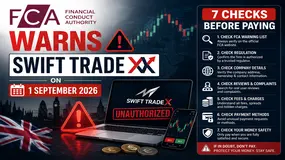
FCA warns Swift TradeX in a notice first published and updated on 1 September 2026. The UK Financial Conduct Authority says the firm may be providing or promoting financial services without permission, is not authorised, and may be targeting people in the UK. The notice names the website swifttradexai.com, a Worcester address and a UK telephone number, but also cautions that unauthorised businesses may use incorrect or borrowed contact details. The confirmed issue is authorisation status—not a court finding about every transaction. Anyone considering a payment should stop, verify the firm independently, and avoid using contact information supplied by the platform itself.

Did mirrox, a brokerage firm, ask you to keep your margin level above 250%-300% and make you add funds immediately if it dropped below it? Did the broker prevent you from opening a trade despite having a healthy equity balance? Did it close your trading account upon a withdrawal request? Many traders have raised these concerns online while sharing their respective mirrox reviews. This article aims to examine these user allegations while answering the popular question: Is mirrox legit or a scam?
WikiFXWikiFXWikiFXWikiFXWikiFXWikiFXWikiFXWikiFXWikiFXWikiFX