


IG Review for India 2026: RBI Alert List, Regulation, Login, and Forex Risk
IG review for India in 2026: see the RBI Alert List entry, overseas regulation, login checks, forex limits, and a clear broker safety checklist.
Original

简体中文
繁體中文
English
Pусский
日本語
ภาษาไทย
Tiếng Việt
Bahasa Indonesia
Español
हिन्दी
Filippiiniläinen
Français
Deutsch
Português
Türkçe
한국어
العربية
اردو




Abstract:BlockFi, a leading crypto lender, announces cessation of operations post-bankruptcy. The move follows challenges from the FTX collapse and aims to return assets to customers. The situation underlines cryptocurrency industry risks and the importance of regulatory oversight. Current litigations, especially the FTX bankruptcy, will influence recovery amounts for clients.

In a recent announcement, crypto lending company, BlockFi, stated its intentions to halt operations and initiate the process of returning crypto assets to its esteemed clientele.
Emerging from bankruptcy, as reported by Reuters on October 24th, BlockFi's primary focus has shifted to returning assets to its customer base. The decision to halt operations arrives almost a year after the firm faced challenges arising from the collapse of FTX, a notable entity in the cryptocurrency domain.
Further developments shed light on BlockFi's court-approved bankruptcy plan. In the plan, the firm expressed its pursuit of additional payments via the bankruptcies of other cryptocurrency companies. This list includes but is not limited to, FTX and Three Arrows Capital.
Insights from court documents indicate that BlockFi's customers holding interest-bearing Earn accounts might receive a wide-ranging return of between 39.4% to a full 100% of the value stored in their respective accounts. Consequently, while a segment of clientele might retrieve their complete funds, there remains a possibility that others might not.
An in-depth analysis of the November bankruptcy filing showcased that BlockFi's loans extended to FTXs associated entity, Alameda Research, played a pivotal role in its downfall. To add to the intricate web, the ongoing court proceedings involving FTX founder, Sam Bankman-Fried, on fraud allegations further muddies the waters.

Providing further clarity on the situation, Reuters reports that while nearly all Wallet account holders can avail withdrawals, clients with BlockFi Interest Accounts and Retail Loans should anticipate reimbursements in the upcoming months. The exact amounts, however, will be contingent upon the resolution of the FTX bankruptcy.
The surge of crypto lending establishments, colloquially termed the cryptocurrency realm's unofficial banks, became a discernible trend amidst the pandemic. Luring retail consumers with tantalizing double-digit interest rates against their crypto deposits, these firms emerged as formidable players.
However, in contrast with mainstream lenders, these crypto-based lenders aren't mandated to maintain capital or liquidity safety nets. This absence of regulation rendered some establishments vulnerable during collateral shortages, leading to monumental losses for both lenders and their clients.
BlockFi's cessation underscores the inherent risks intertwined with the volatile cryptocurrency sector. The unpredictable market combined with regulatory voids can usher unforeseen challenges and economic unpredictability.
The final recovery figures for BlockFi's patrons hinge heavily on the outcomes of ongoing legal proceedings, with the FTX bankruptcy case being of paramount significance.
In parallel developments, the trial against Bankman-Fried persists into its third week. As PYMNTS disclosed, in a bid to bolster his defense, Bankman-Fried has summoned expert witness Joseph Pimbley from PF2 Securities. Pimbleys expertise will be pivotal in contesting the testimonies from former Alameda Research CEO Caroline Ellison, FTX co-founder Gary Wang, ex-FTX Engineering Director Nishad Singh, and ex-FTX staffer Adam Yedidia concerning the intricate financial nexus between FTX and Alameda Research.
In light of these events, participants and enthusiasts of the crypto realm are advised to tread with caution, understanding the ever-present risks and ensuring due diligence in their financial endeavors.

Disclaimer:
The views in this article only represent the author's personal views, and do not constitute investment advice on this platform. This platform does not guarantee the accuracy, completeness and timeliness of the information in the article, and will not be liable for any loss caused by the use of or reliance on the information in the article.
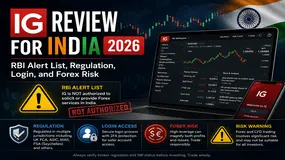
IG review for India in 2026: see the RBI Alert List entry, overseas regulation, login checks, forex limits, and a clear broker safety checklist.
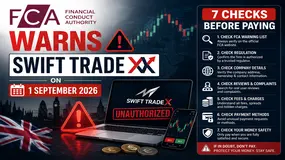
FCA warns Swift TradeX in a notice first published and updated on 1 September 2026. The UK Financial Conduct Authority says the firm may be providing or promoting financial services without permission, is not authorised, and may be targeting people in the UK. The notice names the website swifttradexai.com, a Worcester address and a UK telephone number, but also cautions that unauthorised businesses may use incorrect or borrowed contact details. The confirmed issue is authorisation status—not a court finding about every transaction. Anyone considering a payment should stop, verify the firm independently, and avoid using contact information supplied by the platform itself.
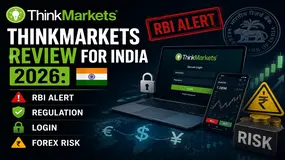
ThinkMarkets review for India: check the RBI Alert List, overseas entities, regulation, login security, forex rules, costs, withdrawals, and leverage risk.

Did mirrox, a brokerage firm, ask you to keep your margin level above 250%-300% and make you add funds immediately if it dropped below it? Did the broker prevent you from opening a trade despite having a healthy equity balance? Did it close your trading account upon a withdrawal request? Many traders have raised these concerns online while sharing their respective mirrox reviews. This article aims to examine these user allegations while answering the popular question: Is mirrox legit or a scam?
WikiFXWikiFXWikiFXWikiFXWikiFXWikiFXWikiFXWikiFXWikiFXWikiFX