Abstract:In the race to regulate cryptocurrencies, the Philippines is charting its own course. The country's Securities and Exchange Commission (SEC) recently revealed its intentions regarding the crypto landscape in the archipelago. In an exclusive interview during Philippine Blockchain Week, Kelvin Lester Lee, the Philippine SEC Commissioner, shed light on the agency's approach to cryptocurrencies, stablecoins, NFTs, and collaboration with neighboring countries.
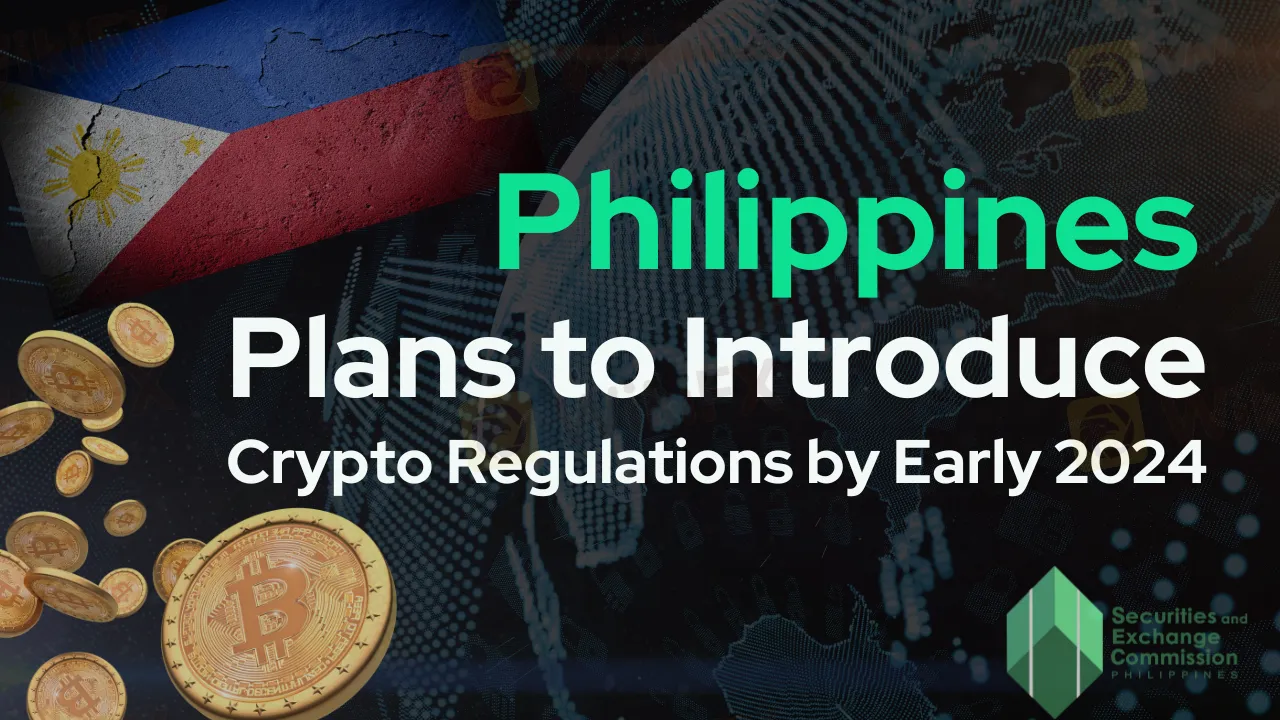
In the race to regulate cryptocurrencies, the Philippines is charting its own course. The country's Securities and Exchange Commission (SEC) recently revealed its intentions regarding the crypto landscape in the archipelago. In an exclusive interview during Philippine Blockchain Week, Kelvin Lester Lee, the Philippine SEC Commissioner, shed light on the agency's approach to cryptocurrencies, stablecoins, NFTs, and collaboration with neighboring countries.
 Contents
Delay in Crypto Framework
The Philippines, known for its growing interest in cryptocurrencies, had initially delayed the publication of its crypto regulatory framework due to the late 2022 collapse of FTX, a cryptocurrency exchange. The framework's release was postponed as the SEC sought to address potential risks and protect the public.
When to Expect the Framework?
The crypto framework, according to Commissioner Lee, will be accessible for public discussion shortly, most likely within the next month. The implementation schedule will be determined by public comment, although it might take effect by the end of the year or in the first or second quarter of 2024. The SEC seeks to establish a balance between regulation and the ability of firms, particularly crypto platforms, to operate efficiently.
Selective Regulation
Commissioner Lee clarified that not all cryptocurrencies would be regulated. The SEC plans to assess and determine which digital assets should be considered securities and, therefore, subject to regulation. This approach reflects the agency's commitment to adapt to the evolving financial landscape while safeguarding the interests of the public.

Crypto, Stablecoins, and NFTs
Regarding the SEC's attitude on cryptocurrencies, stablecoins, and NFTs, Commissioner Lee voiced openness to cryptocurrencies as part of the financial development, with the proviso that they must conform with existing laws. NFTs, on the other hand, will be handled differently depending on how they are used. They will be uncontrolled if utilized for artistic reasons. However, if they serve as actively traded digital assets, a new regulatory framework would be utilized, similar to the system used by the Monetary Authority of Singapore.
Collaboration with Neighboring Regulators
The Philippines actively collaborates with other Southeast Asian countries through the ASEAN Capital Markets Forum. This collaborative effort ensures that regulators across the region discuss and coordinate their regulatory approaches to digital assets and cryptocurrencies.
U.S. SEC's Approach
The interview also touched upon the U.S. SEC's recent actions in what some consider a crackdown on the crypto industry. Commissioner Lee emphasized that there are currently no plans to mirror such a move in the Philippines. The two agencies maintain good relations, with the U.S. SEC even providing training to their Philippine counterparts. Any potential crackdown in the Philippines would depend on the behavior of local players and the need to address abuses.
Protecting Against Crypto Scams
The interview concluded with a discussion of the proliferation of crypto scams in the Philippines. Commissioner Lee urged the public to exercise caution and verify the legitimacy of companies and investments through the SEC. Many of these scams, he noted, are not inherently crypto-related but often use the crypto tag to attract unsuspecting investors.
In summary, the Philippines is on track to establish a comprehensive regulatory framework for cryptocurrencies and digital assets, with a commitment to balancing innovation and protection for its citizens. The SEC encourages public input as it moves forward in shaping the future of crypto regulation in the country.