Abstract:The globe is still recuperating from the coronavirus epidemic, and the West is becoming tired of the BRICS' growing influence in the international economy, therefore the summit is seen as a favorable time to further deepen cooperation between member states.
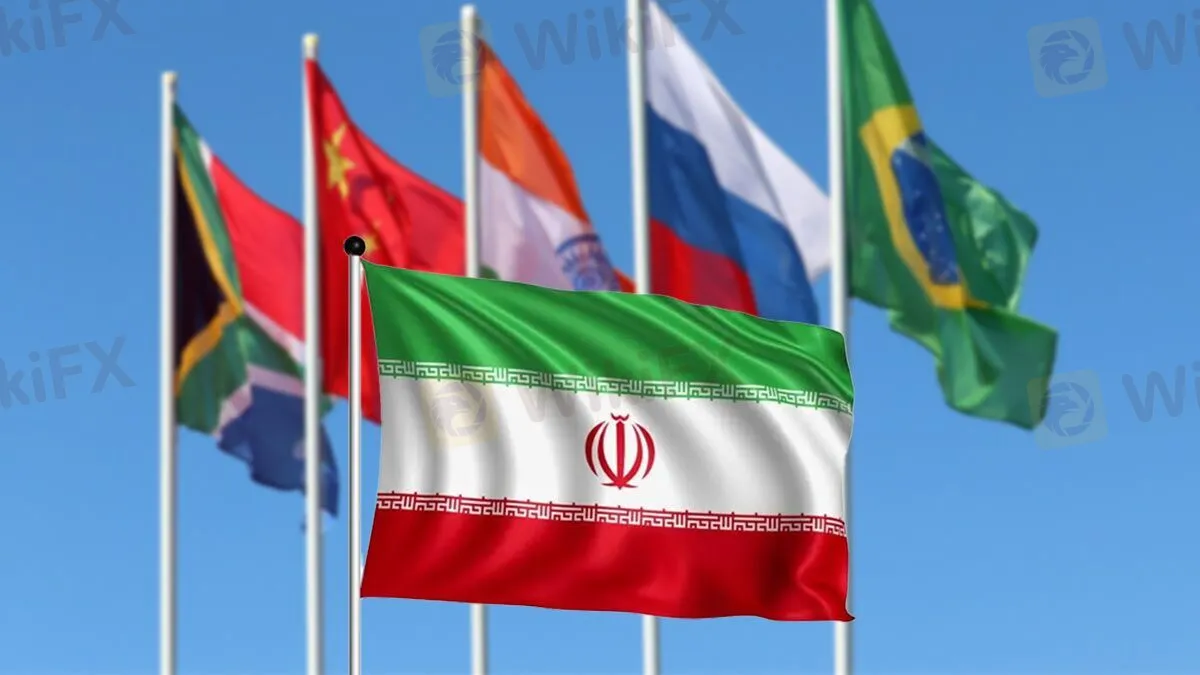
Brazil, Russia, India, China, and South Africa make up the BRICS, the US and other developed nations are conspicuously absent.
The group's goals include boosting trade between member nations, reducing reliance on Europe and the US as a source of economic power, creating a development bank and currency reserve as a rival to the World Bank and the International Monetary Fund, forging south-south ties, utilizing developing nations' potential to balance international economic ties, helping to prevent countries from going bankrupt, and actively participating in political and economic life.
The group controls approximately 50% of the world's population as well as 25–28% of the world's economic, human, and natural resources.
BRICS banking system's difficulties SWIFT
Political analysts argue that the West's and its allies' sanctions on Russia led the BRICS, one of the most important international agreements, to explore developing a separate banking system to protect their financial activities from Western sanctions.
To support projects, infrastructure, and sustainable development in developing economies, the BRICS formed the New Development Bank (NDB).
No BRICS member backed sanctions against Russia because of the Ukraine, and this may signal the beginning of the collapse of the financial systems in the West.
Iran's participation in BRICS
The inclusion of certain nations, notably Iran, in the grouping that has won backing from significant members Russia and China, is a crucial topic relating the next BRICS conference.
Iran might establish a significant position for the BRICS in the area as a nation at the crossroads of the Near and Middle Easts. Iran's rise may greatly enhance its political postures in the international arena in this way.
The BRICS countries have enormous financial and political potential for creating a separate financial system and the ability to foster inter-group cooperation to counteract attempts by the West to impose its policies.
Iran's rise, however, can be crucial in advancing the group's political and economic objectives as the globe moves away from unilateralism in politics and unipolarism in the economy.