Abstract: European shares slipped on Wednesday, as investors awaited U.S. inflation data which is expected to hit 40-year highs, cementing the case for a large interest rate hike by the Federal Reserve, and possibly pushing the euro to parity with the dollar.
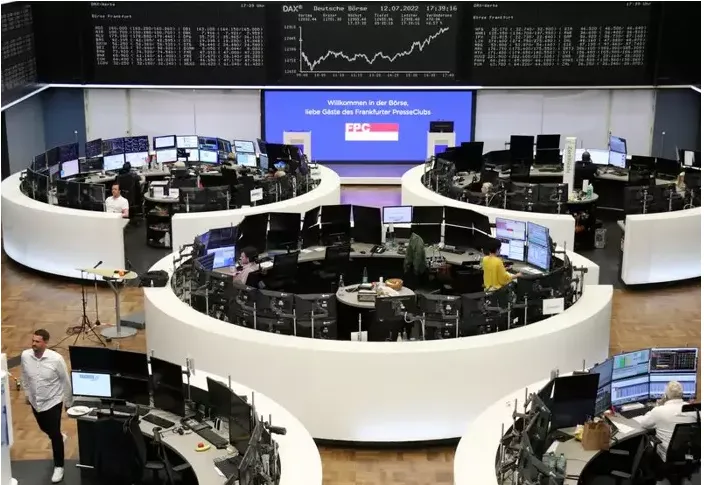
The pan-European STOXX 600 index fell 0.8%, after ending higher in a volatile session on Tuesday. Banks, healthcare and miners were among the biggest drags on the index.
The euro has tumbled recently, as investors fear aggressive monetary policy tightening could cause a recession. Markets speculate that June U.S. inflation data, due at 1230 GMT, could prompt another rally in the dollar, bringing it at par with the single currency. [FRX/]
Analysts worry that this could worsen euro-zone inflation, already at record highs amid an energy crisis.
“The current weakness of the euro has an inflationary effect. If the ECB (European Central Bank) does not counter this with an inflation-fighting monetary policy, inflation in the euro area will soon exceed that in the U.S. and purchasing power parity will fall,” Commerzbank said in a note.
The ECB, due to meet later this month, is seen delivering its first rate hike in more than a decade. Its move will follow the Feds decision next week. A 75-basis-point hike by the Fed will likely be fully priced in should U.S. inflation data come in as expected.
Spanish banks and power firms fell further after the government said it would implement temporary taxes on the firms, possibly raking in 7 billion euros ($7.02 billion) in 2023-2024 to help citizen struggling to cope with inflation.
Lender Sabadell slipped 2%, while Caixabank and Bankinter lost more than 1% each. Utilities Iberdrola and Endesa gave up 1.5% and 0.4%, respectively.
Amid an energy dispute with Russia, Germanys financial regulator warned that the sector faces an uncertain future, with banks already struggling with loan defaults.
The German DAX index slumped 1.2%, leading declines among regional peers.
Finnish drug maker Orion topped the STOXX 600, up 7.0% on raising its full-year outlook after it signed a collaboration agreement with Merck for developing a prostate cancer drug candidate.
French power group EDF requested trading in its shares to be suspended amid plans for its nationalisation. The stock has been on a tear with sources saying the French government was poised to pay more than 8 billion euros ($8.03 billion) to bring the power giant back under full state control.